
Tech
Scamiikely Explained: Is It a Scam or Legit?


If you came across the word “Scamiikely” and had no idea what it meant, you are not alone. A lot of people are searching for it right now, and the confusion is completely understandable. Some people think it is a website. Others think it is a slang term. A few believe it might be a scam itself.
This article clears all of that up. You will learn exactly what Scamiikely means, where it comes from, how it shows up in real life, and whether it is something you should trust or avoid. By the end, you will have a clear answer and practical steps to protect yourself online.
What Is Scamiikely? A Clear, Simple Overview
The Basic Definition
Scamiikely is a word formed by combining two English words: “scam” and “likely.” It describes something that appears suspicious or has a strong chance of being fraudulent, but has not been fully confirmed as a scam yet. Think of it as a middle-ground term. You are not 100 percent sure it is a scam, but something about it feels wrong.
For quick reference, here is a featured snippet style definition:
Scamiikely describes a situation, message, offer, or platform that shows strong signs of being deceptive or fraudulent without being a confirmed scam. It exists between legitimate and clearly fake, where warning signs are present but not yet definitive. The term is used widely in online safety discussions to flag suspicious activity early.
The word is informal and not in any official dictionary. However, it has spread across online communities, cyber security forums, and social media because it fills a real gap in how people talk about digital risk.
Why So Many People Are Searching for It
People are searching for Scamiikely for a few different reasons. Some want to know if a specific website or offer they encountered is safe. Others heard the term from a friend or online discussion and are simply curious. Some are trying to find a tool or platform that helps verify online scams.
The search interest has grown because online fraud is at an all-time high and people are more cautious than ever before. Any term that helps communicate that caution quickly tends to spread fast.
Why Scamiikely Is Getting So Much Attention
The Online Buzz Around It
The term started picking up traction in social media posts, Reddit threads, and cyber security blogs. Users began tagging suspicious offers and emails with the word as a shorthand warning. Over time, it moved beyond slang and started appearing in awareness articles and consumer protection discussions.
When a word captures a feeling people already have but could not describe clearly, it spreads naturally. Scamiikely did exactly that. It gave internet users a quick, friendly way to say “this does not feel right” without needing a long explanation.
Common Claims People Make About It
Some people describe Scamiikely as a platform or website where users can report and verify scams. Others use it purely as a descriptive word. There is also some confusion where people think the word itself might be connected to a fraudulent platform.
The honest answer is that Scamiikely exists in multiple forms. As a concept, it describes suspicious online behavior. As a reported platform, it is said to function as a community-driven scam reporting tool. The confusion between these two uses is a big reason why people keep searching for it.
How Scamiikely Actually Works in Practice
The Typical Pattern
Whether you are using the word or referring to the platform concept, the core idea is the same. Something presents itself in a way that feels off. Maybe the offer is unusually generous. Maybe the website lacks basic contact details. Maybe the email is slightly too urgent or the grammar feels careless.
Scamiikely thinking means pausing before acting, noticing those small inconsistencies, and giving yourself time to verify before clicking, paying, or sharing personal information.
Where You Usually Encounter It
Most people run into scamiikely situations in a few common places. Phishing emails pretending to be from banks or service providers are among the most frequent. Online stores selling expensive products at extreme discounts with no reviews also fit the pattern.
Social media is another major space, where fake giveaways, unverified investment opportunities, and suspicious influencer promotions appear regularly. Work-from-home ads promising high income for almost no effort are classic examples too.
The Psychology Behind It
Scammers do not rely on obvious lies. They use partial truths, manufactured urgency, emotional pressure, and professionally designed websites to make their offers look real. This is exactly what makes scamiikely situations dangerous. They do not look like scams at first glance. They look almost real, and that almost is what causes people to lower their guard.
Warning Signs and Red Flags to Watch For
Behaviors That Should Make You Stop
Here are some of the clearest indicators that something is scamiikely:
Unrealistic promises, such as guaranteed returns, zero-effort income, or prizes you never entered for, are almost always a warning sign. Pressure tactics that push you to act immediately, warning of account closures or limited-time deals, are designed to stop you from thinking clearly.
Missing or vague contact information is another strong red flag. Legitimate businesses provide a physical address, working phone number, and a professional email. If those are absent or look suspicious, trust your instinct.
Common Scam Patterns Linked to the Term
Phishing is one of the most common. A fake email mimics a real brand, includes a link to a copycat website, and asks for your login or payment information. Investment scams are another frequent type, where fabricated testimonials and inflated profit screenshots are used to lure deposits that are never returned.
Subscription traps are also common. You sign up for what looks like a free trial, and hidden charges quietly accumulate over the following months.
Misleading Tactics That Feel Genuine
Scammers invest in professional design. A fake website can look identical to a real one. Email addresses may only differ by one character. Fake reviews can be planted on unofficial platforms. These details make scamiikely situations hard to detect without deliberate verification.
Real Scenarios and What Can Go Wrong
A Typical User Experience
Imagine you receive an email from what looks like your bank. The logo is correct, the formatting looks professional, and the message says your account has been flagged and you need to verify your details within 24 hours. You click the link, enter your login, and nothing seems to happen. Three days later, your account has unauthorized transactions.
This is a textbook scamiikely situation. The warning signs were there, but the execution was polished enough to bypass immediate suspicion.
What Happens When You Miss the Signs
Financial loss is the most common result. Beyond money, victims often face identity theft, where their personal data is used to open loans or accounts in their name. Emotional consequences are real too, including stress, embarrassment, and a lasting distrust of online services. Recovery can take months and sometimes requires legal help.
How to Check If Something Is Scamiikely (Step-by-Step)
A Quick Verification Checklist
Before engaging with any suspicious offer or website, go through this process:
Search the domain name along with the word “scam” or “reviews” and see what comes up. Check the website for a physical address, working contact number, and a clear refund or privacy policy. Look up the domain registration date using a free WHOIS tool. Newly registered domains are often connected to fraud. Read reviews on independent platforms like Trustpilot or Sitejabber, not just the testimonials on the website itself. Hover over any links before clicking to see the actual destination URL.
Useful Tools for Verification
WHOIS Lookup tools such as whois.domaintools.com let you check how long a website has existed and who registered it. Scam Adviser and URL Void are free tools that analyze websites for risk indicators. Google Safe Browsing can be checked by searching “Google Safe Browsing site check” and entering the URL. Trustpilot is useful for reading independent user reviews.
Questions You Should Always Ask
Is this offer realistic? Would a genuine company contact me this way? Can I verify this independently through an official website or phone number? Am I being pressured to act before I can think? These questions alone can save you from the most common scamiikely traps.
What to Do If You Have Already Been Affected
Your First Steps
Act quickly. If you shared financial information, contact your bank immediately and ask them to freeze or monitor your account. Change passwords for any accounts that may be compromised, starting with your email since it is often used for account recovery.
Securing Your Accounts and Finances
Enable two-factor authentication on all important accounts. Check your credit report for any unfamiliar applications. If you paid using a credit card, contact the card provider and initiate a chargeback. If a wire transfer was made, report it to your bank and local financial authority as soon as possible since time is critical in those cases.
Where to Report It
In most countries, online fraud can be reported to a national cybercrime unit or consumer protection agency. In the United States, the Federal Trade Commission at reportfraud.ftc.gov handles these reports. In the United Kingdom, Action Fraud at actionfraud.police.uk is the appropriate channel. The Internet Crime Complaint Center at ic3.gov is another widely used resource. Reporting matters even if you cannot recover money, because it helps prevent others from falling into the same trap.
How to Protect Yourself From Similar Scams Going Forward
Smart Online Habits
Make it a habit to verify before you trust. Do not click links directly from emails or messages. Instead, go directly to the official website by typing the address yourself. Use a password manager and never reuse passwords across different services.
How to Spot Future Scams Early
Watch for the triangle of urgency, vagueness, and unrealistic reward. Any offer that combines all three deserves immediate skepticism. Stay updated on common scam techniques by following cybersecurity blogs or subscribing to consumer protection newsletters.
Mistakes People Keep Making
Trusting something simply because it looks professional is one of the most common mistakes. Another is acting quickly under pressure instead of taking a few minutes to verify. Sharing personal information in response to unsolicited messages is also a frequent error that people regret.
Scamiikely Versus Similar Online Scam Concepts
Key Differences
Scamiikely is distinct from confirmed fraud. When something is labeled a scam, the evidence is clear. Scamiikely situations exist in the gray zone where suspicion is high but certainty is not yet there. It is closer in spirit to terms like “phishing attempt” or “suspicious activity” but more casual and accessible for everyday use.
Shared Patterns With Other Online Scams
Across all types of online fraud, whether phishing, investment fraud, fake e-commerce, or social engineering, the shared patterns are urgency, vagueness, and emotional manipulation. Scamiikely captures all of these in one word. That is exactly what makes it useful as a mental trigger when something feels off.
Is There Any Legitimate Value in the Concept?
A Positive Angle Worth Considering
The idea behind the word is genuinely helpful. Teaching people to pause and evaluate before acting is a key part of digital literacy. If the word helps someone stop and think for even 30 seconds before clicking a suspicious link, it has done something valuable.
Some sources also describe Scamiikely as an actual community-driven platform where users report suspicious platforms and verify legitimacy together. If that version of the platform operates transparently and without bias, it represents a useful resource for online safety.
The Reality Check
No single tool or word will protect you fully. Scamiikely awareness works best as one part of a broader habit of online caution, not a complete solution. Any platform claiming to verify scams should itself be verified before you rely on it.
Final Verdict: Should You Trust Scamiikely?
The Clear Answer
As a concept and informal term, Scamiikely is trustworthy and genuinely useful. It represents a practical mindset for navigating online risk. As a potential platform, it is worth verifying independently before using it to make important decisions.
Here is a second featured snippet style summary for quick readers:
Scamiikely is not a confirmed scam itself. As a word, it describes suspicious online situations that require caution but have not been fully proven fraudulent. As a reported platform, it aims to help users identify and report online scams through community feedback. Verifying any platform independently before trusting it is always the right approach.
Who Should Be Most Careful
Anyone new to a platform, offer, or online service they have not encountered before should apply scamiikely thinking automatically. People who frequently shop online, invest through digital platforms, or receive unsolicited financial messages are especially at risk and should make verification a routine step.
Conclusion
Scamiikely is a simple but valuable concept in today’s digital world. It describes that uncomfortable middle ground where something feels wrong but you cannot fully confirm it yet. Understanding what it means and applying that thinking to your online behavior can help you avoid real financial and personal harm. Use the verification steps, trust your instincts, and never let urgency push you into a decision before you are ready. That mindset alone puts you well ahead of most online threats.
FAQs
Is Scamiikely a real word?
It is not in any official dictionary, but it is a widely used informal term online. It combines “scam” and “likely” to describe something that appears suspicious. Internet culture regularly creates such words to describe digital behavior in everyday language.
Is Scamiikely itself a scam?
The word is not a scam. As a concept, it is a useful tool for raising awareness. Any platform using the name should be independently verified before you rely on it for important decisions.
Can you recover money lost to a scamiikely situation?
Recovery depends on how and where you paid. Credit card payments have the best chance of being reversed through a chargeback. Bank transfers are harder to recover. Acting quickly and reporting to both your bank and relevant authorities gives you the best chance.
Why is Scamiikely trending right now?
Online fraud has increased significantly in recent years, and people are looking for simple ways to describe and communicate suspicion. The word fills that need clearly and casually, which is why it has spread across digital communities.
Where can I report a scam if I have been affected?
You can report to the FTC at reportfraud.ftc.gov in the US, Action Fraud at actionfraud.police.uk in the UK, or the IC3 at ic3.gov for international cybercrime reports. Local consumer protection agencies are also a good option depending on your country.
So you typed sfmcompole into a search bar and now you are not entirely sure what you just found. Maybe you got a mix of animation videos, sketchy-looking sites, or results that were not what you expected at all. You are not alone in that confusion. The term itself is a misspelling of “SFM compile,” which refers to collections of animated videos made using Source Filmmaker. Let me break down what that actually means, where this content lives, and what you should know before going deeper.
What is SFM Compile (sfmcompole)?
SFM compile, sometimes typed as sfmcompole because people type fast and autocorrect does not always help, refers to a curated collection of animated clips made with Source Filmmaker. Instead of one original animation from start to finish, a compile gathers multiple short clips from different creators and packages them into a single video or archive. Think of it like a highlights reel, but for 3D animated content.
Simple Definition in Plain English
When someone says “SFM compile,” they mean a video or archive that pulls together several animated scenes created using Valve’s Source Filmmaker tool. These are not single original films. They are edited packages of clips, usually sorted by a theme, character, or style, and uploaded to sharing platforms for easy viewing.
Why the Term Appears Misspelled or Inconsistent
Here is the thing, sfmcompole appears across search engines simply because people type it that way without double-checking. Other common variations include “sfm compole,” “sfmcompile,” and “sfm compilation.” Search engines pick up on all of these because enough users search that way consistently. So if you typed sfmcompole and got results, that is exactly why. It is not an official platform name or branded term. It is just how the phrase gets distorted in real-world searches, and the internet has quietly normalized it.
Read more: HDmivies5 Explained: Is It Safe, Legal, or Worth It?
Understanding Source Filmmaker (SFM)
Before going deeper into compilations, it helps to understand where all this SFM content actually comes from.
What SFM Is and How It Works
Source Filmmaker is a free animation tool developed by Valve, the company behind Steam and games like Team Fortress 2 and Half-Life. The software lets creators use the same game engine assets to build custom animations. You can pose characters, control camera angles, set lighting, and create full animated scenes using models from Valve’s game library or imported custom models.
Valve originally built it for their own internal use to produce promotional videos. After they released it to the public in 2012, a massive creative community grew around it almost immediately. Hobbyists, animators, and storytellers started producing everything from funny short clips to full cinematic sequences.
I spent way too long in the early days trying to figure out why SFM content was everywhere, and eventually realized the tool itself was just unusually accessible for a 3D animation program. That low barrier brought in a huge number of creators.
Types of Animations Created With SFM
The range of SFM content is genuinely wide. Some creators make comedic parodies of game scenes. Others build serious short films with full story arcs. Some focus on action sequences, while others create character-focused mood pieces. Because the tool works with custom imported models, creators are not limited to Valve game characters either. Fan-made models from other franchises get imported and used all the time.
This diversity is a big part of why SFM compilations became so common. There is simply a massive volume of content being produced, and viewers started looking for ways to browse it efficiently without watching hundreds of separate uploads.
What Does “Compile” Mean in This Context?
You might be wondering if “compile” means something technical here, like compiling code. It does not. It just borrows the general meaning of gathering things together into one place.
Compilation vs Original Animation
An original SFM animation is created by one person or team, has a consistent style, follows a single narrative or theme, and is uploaded as a complete work. A compilation is assembled from multiple pre-existing clips, often by someone who did not create any of them. The compiler acts more like a curator, selecting, trimming, and arranging clips that fit a certain topic or mood.
This distinction matters because compilations are not original productions. They are derivative, which creates ongoing debates in the SFM community around credit and attribution.
Why Compilations Are Popular
Compilations save time, plain and simple. If you want to see the best SFM character animations without hunting through dozens of individual channels, a compile does that work for you. Viewers also tend to keep watching longer when content shifts every minute or two, which is why compiled formats perform well algorithmically on video platforms. For casual viewers, compilations are genuinely the easiest entry point into SFM content.
How SFM Compilations Are Created
This is the part most websites skip over entirely, but it is actually pretty straightforward once you see the workflow.
Collecting Clips From Multiple Creators
A compiler usually starts by browsing platforms like YouTube, Rule34, or dedicated SFM communities and forums. They look for clips matching a specific theme, character, or animation style. Some compilers ask creators for permission before using their work. Many do not, and that is one of the ongoing friction points in this space.
The selection process is taste-based. A good compiler picks clips with smooth animation, consistent quality, or a particular mood that ties the whole thing together. Bad compilations just dump everything in without thought, and viewers notice quickly.
Editing and Packaging Into One Video or Archive
Once clips are gathered, they get trimmed and arranged into a sequence. Basic video editing tools like DaVinci Resolve, Premiere, or even free options like Kdenlive handle this step comfortably. Some compilers add transition effects, background music, or title cards to make the final product feel more cohesive. Others keep it completely raw, just clips back to back with nothing in between.
The final file gets uploaded as a single long video or packaged into a downloadable archive, depending on the platform and the audience.
Platforms Where Compilations Are Shared
General SFM compilations appear on YouTube regularly and pretty openly. More niche compilations, including those with adult content, tend to move toward platforms with fewer content restrictions. Sites like, Eporner, and various dedicated SFM archive sites host the latter category. There are also forum-based sharing communities on Reddit and Discord where links get circulated within specific interest groups.
Types of Content Found in SFM Compilations
Let’s be honest, SFM content splits into two very different lanes, and knowing which one you are in matters before you start clicking around.
Gaming Animations and Character-Based Content
The most common general SFM compilations feature characters from popular games. Team Fortress 2, Over watch, and Five Nights at Freddy’s characters show up frequently. These compilations usually focus on humor, action, or fan-fiction storytelling. They are widely shared on YouTube and are appropriate for general audiences.
Parody and Storytelling Content
Some SFM creators build narrative parodies of game or movie scenes. Compilations in this category gather these short stories together, sometimes by franchise, sometimes by creator. These can be genuinely impressive pieces of fan creativity, and the compilations help surface the best of them for people who would never have found them otherwise.
Adult vs Non-Adult Categories
A significant portion of SFM content, and by extension SFM compilations, is explicit in nature. This is simply a factual reality of the community. Adult SFM compilations use the same technical tools but animate characters in sexual scenarios. These compilations circulate on age-restricted adult platforms and are completely separate from the general YouTube-style content.
If you searched sfmcompole and landed on adult content unexpectedly, that reflects how dominant adult SFM compilations are in the broader search ecosystem. The general and adult sides of this community share the same search terms but occupy different platforms.
Why SFM Compile Content Ranks So High Online
There is a real reason why compilation pages and videos dominate search results, and it goes beyond just having popular content.
Search Demand and Niche Audience
SFM fans are passionate and very specific in how they search. They search by character, by game, by creator, and by content type. This creates dozens of micro-niches, each generating its own consistent search traffic. Compilation sites benefit from covering many of these niches at once, which means they pull traffic from multiple search variations at the same time.
Aggregation Over Original Content
Search engines often reward pages that aggregate lots of relevant content in one place because they satisfy more user queries per visit. A compilation page featuring fifty clips from different creators effectively covers fifty separate potential search intents. An original animation only directly satisfies one. That aggregation advantage is why compilation sites tend to outrank individual creator pages even though they are not producing original work themselves.
Is It Safe to Use SFM Compile Sites?
This is a real concern worth taking seriously, especially for platforms outside the mainstream.
Common Risks on Compilation Sites
Smaller, unofficial SFM archive sites often run aggressive ad networks. You may encounter pop-up ads, redirect scripts that open new tabs, or download buttons that are actually ad traps. Some sites hosting adult SFM compilations have been flagged for injecting tracking cookies or running browser-based crypto miners quietly in the background while you browse.
If a site is asking you to disable your ad blocker as a condition of viewing content, that is a red flag worth paying attention to. If it is pushing you toward a download you did not ask for, close the tab immediately.
Tips to Stay Safe While Browsing
Run a browser with a solid ad blocker before visiting any SFM archive site. uBlock Origin is widely recommended and completely free. Avoid clicking any download buttons unless you specifically came to download something and already know what it is. Stick to well-known platforms like YouTube for general content, and use established adult platforms with actual content moderation for that side of the niche.
If you want to explore SFM content more seriously without the noise, Reddit communities like r/SFM or the SFMLab forums are much safer environments with real human moderation in place.
What Most People Get Wrong About SFM Compilations
Most people assume sfmcompole or SFM compile refers to a specific website or tool, like it is some kind of brand name. It is not. There is no single platform called SFM Compile that owns this space or acts as the official home for it. The term describes a content format, not a destination.
This confusion leads people to search for something like “sfmcompole website” expecting to land on one authoritative place, when in reality the content is scattered across dozens of platforms with no central hub. Knowing that upfront saves a lot of confused clicking.
Another common mistake is assuming that all SFM compilations give credit to the original creators. Many do not. If you see SFM content in a compilation that you made or know was created by someone specific, do not assume the compiler asked permission first. That step gets skipped far more often than most people realize.
Common Confusions Around “sfmcompole”
Is It a Real Platform or Just a Keyword Variation?
Sfmcompole is not a platform. It is a mistyped version of “SFM compile” or “SFM compilation” that gets searched often enough to show up in autocomplete and keyword research tools. Any site ranking for this search is simply optimizing for a misspelling, not because it is the official home of SFM compilations.
Difference Between Compile, Archive, and Gallery
These three terms get used interchangeably but they mean slightly different things. A compile usually refers to a video that strings multiple clips together into one file. An archive is a stored collection, often downloadable, that preserves content from various sources over time. A gallery is typically an image or GIF-based display format rather than video. Knowing the difference actually helps you search more accurately for whatever you are looking for.
Conclusion
Here is the short version of everything above. Sfmcompole is not a platform, not a tool, and not a brand. It is just a commonly misspelled search term that points toward SFM compile content, which itself is a format built around collections of Source Filmmaker animations pulled from multiple creators.
If you are browsing this space, knowing the difference between general and adult categories, and keeping your browser protected with a good ad blocker, will make the whole experience a lot less frustrating. And if you are thinking about making your own compilations, do the one thing most people skip and actually credit the creators whose work you are using. That small habit is what separates the channels with staying power from the ones that disappear after a few months.
FAQs
What does sfmcompole mean exactly?
Sfmcompole is a misspelling of “SFM compile” or “SFM compilation.” It refers to collections of animated videos made using Source Filmmaker, gathered from multiple creators and packaged together. The misspelling is common enough that it generates its own search results across platforms.
Is SFM compile the same as Source Filmmaker?
No. Source Filmmaker is the animation software made by Valve. An SFM compile is a collection of videos that were created using that software. One is the tool, the other is a type of content produced with that tool.
Are SFM compilations legal?
It depends on the specific content. Using Valve’s game assets in non-commercial fan animations generally falls into a tolerated grey area under fan-use norms, though it is not formally licensed. Compilations that monetize other creators’ work without permission run into copyright issues, and adult content involving trademarked characters sits in a legally ambiguous space that varies by jurisdiction.
Can beginners create their own SFM compilations?
Yes, and it is actually one of the easier entry points into the SFM space. You do not need to know how to animate at all. You just need to collect existing clips, arrange them in a video editor, and export the final file. The harder part is doing it ethically by crediting creators and, where possible, getting permission before using their work.
Why are there so many similar websites?
Because SFM compilation content generates reliable traffic with relatively low production effort. Anyone can gather clips, create a site or upload a video, and capture search traffic from dozens of related keyword variations. The low barrier to entry means many people do exactly this, which is why you see so many similar-looking results whenever you search sfmcompole or anything close to it.
Most social platforms keep showing you content from people you don’t really care about. Extroly.com takes a different approach. It connects people based on shared interests, not follower counts or job titles. If you’ve come across the name and want to know what it actually is before signing up, this is the right place to start.
Featured Snippet Answer
Extroly com is an interest-based social networking site where users connect with others who share similar hobbies, goals, or professional interests. It uses a smart matching system to suggest relevant people and communities, making it easier to build real connections compared to most traditional social platforms.
What Is Extroly com?
Picture something sitting between LinkedIn and Reddit. It has enough structure for networking but feels more personal than a job board. Instead of pushing popular content toward you, it tries to show you people and groups that actually match what you care about.
You set your interests, and the platform works from there. It is not here to replace Facebook or Instagram. The focus is on connection quality, not just adding more people to a list.
Read also: Cartetach Explained: Smart Card Tech And Benefits
Who Created It and When Did It Launch?
Public information about the founders or launch date of Extroly.com is limited. There is no well-known founding story, no named leadership team, and no major press coverage at the time this was written. That is not unusual for newer platforms, but it does mean you are going in without much background to check. Keep that in mind when deciding how much personal or professional information to share.
What Problem Does It Solve?
Scroll through any major social platform and you will find content from people you barely know, brands you never followed, and posts the algorithm decided you should see. Extroly.com tries to cut through that by filtering connections from the beginning based on actual shared interests. The idea is fewer but more meaningful connections, and communities where conversations actually lead somewhere.
Who Is This Platform For?
Extroly.com seems best suited for people who are done with surface-level social media but still want somewhere structured to network and find community. Students connecting around academic topics, creative professionals looking for peer groups outside LinkedIn’s stiff environment, and hobbyists trying to find others with niche interests without wading through unrelated content. Businesses looking for large-scale marketing reach will likely find it too early-stage for that purpose right now.
Is Extroly com Legit?
This is the question almost every other article skips, and it matters most for someone visiting for the first time.
What We Know About the Platform
Detailed public records about the company behind Extroly.com are thin. No named CEO, no funding announcements, and no coverage from major tech publications. That is not automatically a red flag, but it does mean you should go in with your eyes open rather than assuming it has a long track record behind it.
If you are planning to use it casually, the risk is low. If you want to use it for business outreach or share sensitive professional details, it is worth waiting until the platform has more visible accountability.
Red Flags and Green Flags Worth Noting
On the positive side, the platform does not appear to push aggressive ads or suspicious sign-up processes. That is a decent sign. On the other hand, clear information about data ownership and third-party sharing is not easy to find. Reading the privacy policy before you create an account is worth a few minutes of your time.
What Users Are Saying
Reviews are still limited across major platforms, which makes sense given how new it is. What feedback does exist describes a clean interface with a solid concept. Some users mention that certain communities feel quiet, which is a common issue for platforms that are still building their user base.
Core Features, Explained Simply
Smart Matching
After you fill in your interests and goals during sign-up, the platform uses that information to suggest relevant people and communities. It is not complicated. Think of it as a filtered search that runs in the background before you even start looking around.
Interest-Based Communities
These work similarly to subreddits or Facebook Groups, but they are built around specific niches rather than broad topics. If you are into urban photography, sustainable design, or Python development, you can find or even create a community around exactly that.
Direct Messaging and Group Chats
Not everything needs to happen in public. The platform lets you move conversations into direct messages or group chats, which is useful when you want to take a connection further without sharing contact details on a site you are still figuring out.
Privacy Controls
From the start, you can control who sees your profile, who can send you messages, and what information is visible publicly. Setting these up early keeps the experience cleaner and avoids a lot of unnecessary contact later on.
Extroly com vs. Platforms You Already Use
Extroly com vs. LinkedIn
LinkedIn is built around your work history and credentials. Extroly.com is built around what you actually care about and want to talk about. If you want to network based on curiosity and shared interests rather than job titles, Extroly.com is more relaxed. For formal job searching or B2B outreach, LinkedIn is still the better tool.
Extroly com vs. Reddit
Reddit is strong for community discussions but anonymous by design. Most people use usernames that say nothing about who they are, which makes building real ongoing relationships harder. Extroly.com is profile-based, so you are connecting with actual identities rather than usernames, which makes longer-term relationships more realistic.
Extroly.com vs. Discord
Discord excels at real-time group communication, especially for gaming and tech communities. Extroly.com is not trying to match that. It is more focused on discovery and building communities slowly around shared interests. Fast-moving group chats belong on Discord. Finding your people and growing a community over time fits Extroly.com better.
Which One Should You Actually Use?
Think of Extroly.com as a starting point. Use it to find the right people and communities, then take those conversations to Discord, email, or LinkedIn once you have made the connection. The platforms complement each other well when you use them for what they are actually good at.
How to Get Started on Extroly.com
Step 1: Create Your Account
Go to Extroly.com and sign up with your email address. The process is simple. Use your real name or a consistent handle so people can recognize you across the platform.
Step 2: Set Up Your Profile Properly
This step makes a bigger difference than most people expect. Instead of selecting broad interest categories, get specific. Do not just pick “technology.” Pick the exact areas within tech that you actually follow and care about. Add a short bio that tells people what you are working on or looking for. That small detail helps others decide whether connecting with you makes sense.
Step 3: Find Your First Communities
Use the explore or discovery section to browse communities related to your interests. Do not try to join ten groups at once. Pick two or three where you can actually participate, and start there. Leaving a thoughtful comment or asking a question early on gets you more visibility than just lurking.
Step 4: Configure Key Features Right Away
Before you start connecting with people, set up your privacy preferences and messaging filters. This keeps your feed relevant and prevents you from spending time sorting through contact requests that have nothing to do with your interests.
Real Benefits and Honest Limitations
What It Does Well
The interest-matching system genuinely cuts down on the noise that makes other platforms frustrating. Communities tend to stay more focused, and because the platform is newer, there is less of the performative posting culture that fills up Instagram and LinkedIn. It feels quieter and more intentional, which some people will find refreshing.
Where It Falls Short
Community activity can be slow depending on your interests. This is the biggest practical issue right now. You might build a great profile and join the right groups and still find that conversations move at a slow pace. That is not a design failure. It is a numbers problem. Newer platforms need time to build the user density that makes communities feel alive.
Is It Worth Using Alongside Other Platforms?
Yes, with the right expectations. Extroly.com works best as a complement to what you already use, not a replacement. Use it to discover people and communities, then take those connections further through whatever tools work best for you.
What Most People Get Wrong About Extroly.com
A lot of people sign up, find the communities quieter than expected, and immediately write it off. But that is how almost every successful niche platform started. Reddit, Twitter, and Discord all went through quiet early phases before they had enough users to feel active. Judging Extroly.com by the standard of established platforms at this stage is not a fair comparison.
The other common mistake is filling out a vague profile and then being confused about why the matches feel irrelevant. The system can only work with what you give it. Spending five extra minutes being specific about your interests during setup makes a noticeable difference in what the platform shows you.
Tips to Get More Out of Extroly.com
Be Specific With Your Interests
Broad labels like “music” or “business” do not help the matching system or the people browsing your profile. The more specific you are, the more likely you are to attract people who are actually relevant to what you care about.
Show Up Consistently
You do not need to post every day. But checking in regularly and commenting in a few communities builds your presence over time. Early on, responding to other people’s posts tends to be more effective than waiting for your own posts to get attention.
Set Privacy Preferences Before You Start Exploring
Getting this done first means your experience stays focused from the beginning. It also means you are not going back later to clean up settings after you have already had irrelevant contact requests come through.
Conclusion
Extroly.com is a solid idea that is still finding its feet. It will not replace the platforms you already rely on, and some communities will feel quiet for a while. But if you take the time to set it up properly and treat it as a discovery tool rather than your main social platform, it can genuinely be useful. Try it with a specific profile and realistic expectations. That is the fairest way to find out if it works for you.
FAQs
What exactly can I do on Extroly.com?
You can create a profile, join interest-based communities, connect with other users, take part in discussions, and use direct messaging. The platform is built for discovering relevant people and groups rather than general social browsing.
Is Extroly.com free to use?
Core features appear to be free based on available information. Whether paid tiers exist or get added later is worth checking directly on the platform, since things can change after this article is published.
Is Extroly.com safe and private?
The platform gives you tools to manage who sees your profile and who can contact you. Since detailed information about their data practices is not fully public, reading their privacy policy before sharing anything sensitive is a reasonable precaution.
Who benefits most from Extroly.com?
Students, freelancers, independent creators, and professionals in niche fields tend to get the most value from interest-based platforms. If your goal is broad social media reach, a different platform will serve that better.
Can businesses use Extroly.com?
There does not appear to be a restriction on business profiles, but the platform’s current size makes it more practical for individual networking than large-scale brand marketing. A solo professional or small business building around a specific niche could find it useful.
How is Extroly.com different from other social networks?
Most platforms connect you based on who you already know or what is trending. Extroly.com connects you based on shared interests from the beginning, which changes the whole quality of what you find there.
What should I do if it is not working for me?
Start by revisiting your profile. Vague interests lead to vague matches. Then give it a few weeks of genuine participation before deciding. If it still feels slow, it may simply be that your specific interest area has not reached enough users yet on the platform.
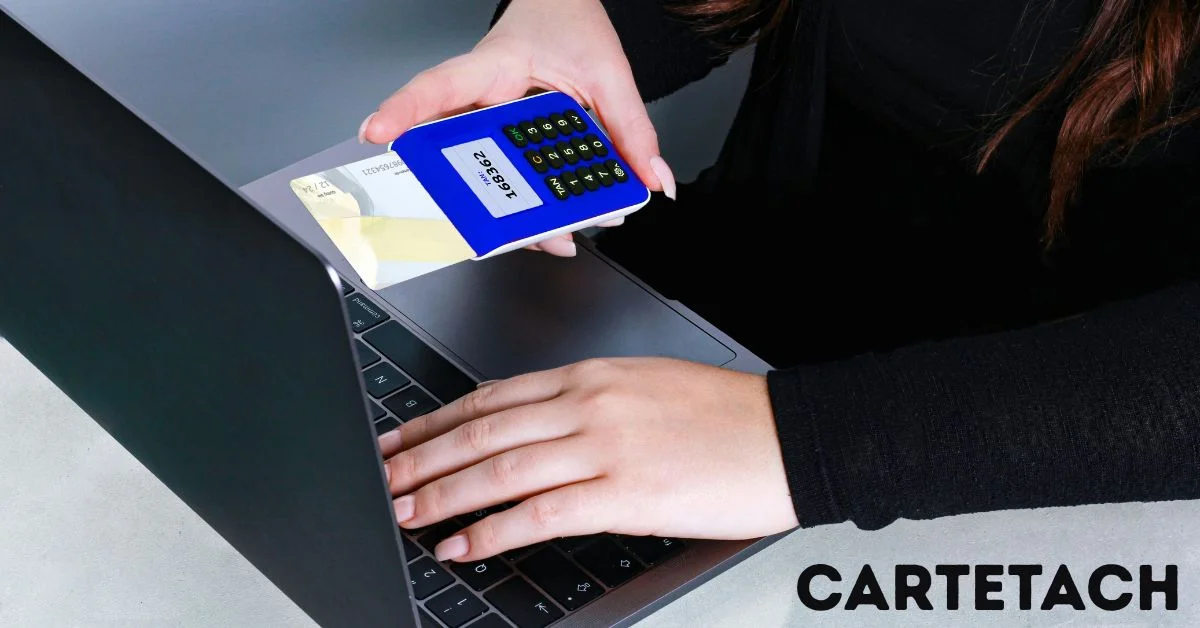
Picture your wallet right now. There is probably a bank card, a work ID, maybe a transit card, and a few other things you tap or swipe daily. Cartetach is built around one simple idea: all of that should fit on a single card. If you have been seeing this term and are not sure what it actually means or whether it is worth your attention, this article will give you a clear picture. No fluff, no sales pitch, just a real look at what Cartetach does, where it works well, and where it still falls short.
What Is Cartetach? A Plain-Language Explanation
Featured Snippet Answer
Cartetach is a smart card system that combines multiple functions like payments, identity, and access control into one card. It uses encrypted contactless technology to communicate with readers in milliseconds. Think of it as merging your bank card, work ID, and travel pass into a single chip-based card you can tap almost anywhere.
Think of It as One Card for Everything
Most adults carry four or five cards without giving it much thought. A bank card for payments, a separate ID for verification, an office key card, a transit pass, and maybe a loyalty card or two. Cartetach is built on the idea that all of this should live in one place, on one card, managed through one secure system.
A simple way to picture it is this: imagine your passport, your bank card, and your front door key fob were all merged into one thin card that also had a digital layer you could manage from your phone. That is basically what Cartetach is trying to be.
Read also: SFM Compile Sfmcompole: What It Means and How It Works
How It Differs from a Normal Bank or ID Card
A regular bank card does one job. A standard ID card does one job. Neither communicates with the other, and neither can be updated or locked remotely if something goes wrong.
Cartetach works differently because it carries a programmable chip that holds multiple data layers at once. Each layer is separate and encrypted, so your payment information and your identity data never mix or expose each other. Tap to pay, and only the payment layer responds. Tap at an office door, and only the access layer communicates. That separation is a big part of why it is more secure than trying to combine functions on a traditional card.
How Cartetach Actually Works
What Happens in the Milliseconds After a Tap
When you tap a Cartetach card on a reader, quite a lot happens very quickly. The chip inside the card activates through near-field communication, a short-range wireless protocol that works within a few centimetres. The reader sends a request, the card responds with an encrypted signal, and the whole transaction or access event completes in under half a second.
There is no battery in the card. The reader powers the chip through electromagnetic induction, the same basic principle behind wireless charging. This is why Cartetach cards work reliably without needing any power source of their own.
Encryption, Tokenisation, and Why It Matters
The security layer is where Cartetach pulls ahead of older card technologies. Instead of transmitting your actual account number or ID code during a transaction, the card generates a one-time token. That token works for that single interaction only. Even if someone intercepted the signal, the token would already be useless by the time they tried to use it.
Encryption wraps the entire communication in a code that changes with every transaction. This is called dynamic data authentication, and it is a real step up from magnetic stripe cards, which send the same data every time and are much easier to clone.
The Role of App Integration and Remote Control
Traditional cards cannot be managed remotely. Cartetach can. It connects to a companion app on your phone, giving you control over which functions are active at any time. Left home without the card? You can disable the payment function remotely until you get back. Need to add a gym membership or a hotel room key? The app pushes that credential update directly to the card.
The most practical benefit of this is what happens when the card goes missing. You do not need to call a bank or wait for HR to sort it out. You lock the card yourself from your phone in seconds.
Core Features Broken Down
Multi-Function in a Single Card
The headline feature is consolidation. One card handles payments, stores identity credentials, manages building or vehicle access, and can even carry loyalty data if the system supports it. For frequent travellers especially, this is useful because some international transit systems accept a wider range of contactless credentials than a standard bank card.
Advanced Security Layers: Dynamic Codes and Biometrics
Security operates on several levels. Dynamic tokenisation is the first. Some setups also support biometric binding, where the card is linked to your fingerprint or face recognition through the app. Even if someone picks up your physical card, they cannot use it without passing the biometric check.
Two-factor behaviour is also possible in high-security settings. A tap plus a PIN, or a tap plus a biometric, gives organisations a much stronger verification setup than a simple swipe-and-sign process.
Contactless Action Speed
Speed is not the flashiest feature, but it matters more than people realise. Tapping at a subway turnstile during rush hour, or at a coffee shop checkout with five people behind you, needs to work without hesitation. Cartetach’s NFC chip is built for low-latency response, so the gap between tap and confirmation stays short even when readers are handling high volumes.
Eco-Conscious Build vs. Traditional Plastic
Standard cards are made from PVC plastic, which is not biodegradable and piles up at scale when cards expire every few years. Some versions of Cartetach cards use recycled or bio-based materials. More importantly, replacing five separate cards with one also means fewer cards being produced and discarded in the first place.
This is not the main reason most people choose Cartetach, but for organisations issuing cards to thousands of employees or customers, the environmental saving does become meaningful over time.
Where Cartetach Genuinely Shines
Daily Commute and Travel
For commuters, the usefulness shows up fast. Many city transit systems already support NFC-based access, and a Cartetach card can store transit credentials for multiple cities on the same chip. If you travel between cities regularly, having your local bus pass and your intercity rail credential on one card saves real friction compared to juggling separate cards.
At airports, some setups allow the card to carry boarding pass data, cutting down the number of steps between arriving at the gate and getting on the plane. It does not replace a passport, but for domestic travel or within compatible regions, it reduces what you need to manage.
Workplace Access and Identity Verification
Offices and secure facilities are probably where Cartetach fits most naturally right now. One card handles building entry, computer login, printer access, and canteen payments without the employee needing multiple credentials. When someone leaves the company, every permission tied to that card can be revoked with a single action rather than tracking down several different cards and systems.
Healthcare and Secure Records
In healthcare settings, Cartetach can carry encrypted patient identification that links to records without storing the actual medical data on the card itself. A nurse taps the card and the correct patient file comes up. Speed matters in emergencies, and a system that removes manual lookups from the process is genuinely useful in those moments.
Smart Home and IoT
Some newer implementations take Cartetach beyond the card-and-reader setup into smart home environments. A tap on a compatible smart lock replaces a physical key. A tap near an IoT appliance triggers preset settings. For anyone already invested in smart home infrastructure, this is a natural fit.
This use case is still early in most markets, but the underlying architecture supports it.
The Honest Limitations Nobody Talks About
Most articles on this topic read like product brochures. This section does not.
Infrastructure Gaps
Cartetach needs compatible readers on the other end. If a shop, office, transit system, or clinic has not upgraded to support NFC and multi-layer authentication, the card will not work there. In modern cities with up-to-date infrastructure this is less of an issue, but in smaller towns, rural areas, or regions where contactless payment adoption is still patchy, you will run into dead ends regularly.
Before committing to Cartetach as your main credential, the realistic question to ask is how many of the places you actually visit daily already support NFC. In some regions, the honest answer is still not enough of them.
Losing the Card or Cloning Risk
The remote lock feature is useful, but it only helps if you notice the card is missing quickly and have your phone available to act. A gap of a few hours between losing the card and locking it is a real vulnerability window. Dynamic tokenisation makes physical cloning much harder than with older cards, but software-level attacks targeting the companion app or the backend authentication system are a different category of risk.
Anyone relying on the card for high-stakes access, like entry to a medical facility or a secure server room, should use two-factor confirmation for those credentials as a standard practice rather than an optional extra.
Device and App Compatibility
The companion app manages most of the card’s advanced features, and that creates a second potential failure point. An older smartphone that cannot run the current version of the app, or a device switch between iOS and Android where credentials do not sync properly, can leave some features non-functional.
The card’s basic hardware functions, like standard payments and simple access, will usually still work without the app. Remote management, credential updates, and biometric binding all depend on the app running correctly on your specific device.
Who Should Wait Before Switching
If your daily environment is mostly older card readers and limited NFC support, the timing is not right yet. If your organisation’s systems are not ready to integrate a multi-credential management platform, you will likely end up with a more expensive card that does less than your current setup. The technology works well in the right environment. In a mixed or legacy environment, the experience is more frustrating than transformative.
Cartetach vs. Specific Alternatives
Against NFC-Enabled Smartphones
A phone with NFC can handle payments and some access functions. The difference is that a phone needs battery power, is expensive, and is far more attractive to thieves. A card has none of those problems. For organisations issuing credentials to staff, managing physical cards is also much simpler than managing app-based credentials across hundreds of different phone models and operating system versions.
Against Traditional RFID Access Cards
Standard RFID office cards are single-function and static. They transmit the same code on every tap and cannot be updated remotely without physically re-encoding the card. If that code is copied, the cloned version keeps working until someone notices and manually deactivates it. Cartetach’s dynamic tokenisation and remote management address both of those weaknesses directly.
Against Biometric Passports
Biometric passports already use NFC chip technology, so the hardware concept is not new. The difference is that a biometric passport is a government document with a fixed, narrow purpose. Cartetach is a flexible platform that can be updated and personalised. They share some underlying technology but serve different roles and are not really competing with each other.
Simple Comparison Table
Cartetach: multiple functions, dynamic encryption, remote management, eco-conscious materials, requires NFC infrastructure.
Standard bank card: single function, static data, no remote control, PVC plastic, works almost everywhere.
NFC smartphone: multiple functions, needs battery, expensive, widely supported in most cities.
RFID office card: single function, static code, no remote lock, PVC plastic, works in compatible offices only.
Is Cartetach Right for You?
For Personal Users
Two honest questions are worth asking before you decide. First, how many of the places you visit daily already accept NFC contactless credentials? Second, how comfortable are you managing an app-linked card system? If both answers are positive, the convenience is real. If your daily life is mostly cash-and-swipe, the card will feel underused and the setup effort will not pay off.
For Businesses and Teams
Cartetach makes clear operational sense for organisations that currently manage multiple credential systems separately. If HR issues building access cards, IT manages login tokens, and facilities handles car park credentials, consolidating everything into one platform cuts down on administrative overhead significantly. The benefit grows with the size and complexity of the organisation.
Questions Worth Asking Before You Commit
Check whether your existing readers and infrastructure are compatible before ordering anything. Find out what the fallback process is if the card system goes offline. Confirm that the vendor’s app works on the devices your team actually uses. Ask about data portability if you decide to change providers later. These are practical questions that most vendors will not volunteer answers to unprompted.
How to Get Started with Cartetach
Step 1: Check Infrastructure Compatibility First
This matters more than the marketing material suggests. Before ordering or issuing cards, go through the actual environments where the card will be used and confirm that NFC-compatible readers are already in place. For businesses, that means auditing every access point, payment terminal, and time-tracking system before committing to anything.
Step 2: Set Up and Personalise Your Card
Once the card arrives, setup happens through the companion app. You will link existing payment credentials, upload identity documents where applicable, and configure which functions are active. A full setup typically takes fifteen to thirty minutes, though loading credentials gradually over a few days works just as well.
Step 3: Get Security Right from Day One
Enable biometric confirmation on the companion app straight away. Set up the remote lock feature and test it once before you actually need it. Do not share the app login with anyone, even briefly, because app access means remote control over every credential the card holds. If the card supports two-factor confirmation for high-security access points, turn it on immediately rather than adding it later after something goes wrong.
What Most People Get Wrong About Cartetach
The most common mistake is treating Cartetach as a finished, works-everywhere product when it is actually a strong technology in certain environments and a frustrating one in others.
People read about the security features, the multi-function convenience, and the remote management and assume it will all work smoothly from day one. In practice, the experience depends almost entirely on infrastructure. In a well-equipped modern city, Cartetach can feel like a genuine step forward. In a mixed environment with older readers and legacy systems, the same card will fail to deliver on half of what it promises, not because the card itself is broken, but because the surrounding infrastructure is not ready for it.
The technology is solid. The adoption gap is the real challenge. Treating it as a useful upgrade layered on top of your existing setup, rather than a full replacement, is the more realistic approach for most people right now.
The Future of Cartetach Technology
What Is Coming in the Next Few Years
The main development focus right now is cross-border compatibility, making it possible for a card issued in one country to carry credentials that are accepted by transit systems, border checkpoints, and commercial readers in another. It is unglamorous infrastructure work, but it is the necessary foundation for the technology to reach its potential.
On the software side, things are moving faster than hardware. Features like automated credential rotation, real-time usage alerts, and deeper integration with digital wallet platforms are already in development in several implementations.
National Digital Identity Integration
Several governments are exploring frameworks that would let cards like Cartetach carry government-verified identity credentials alongside commercial ones. Instead of showing a driving licence or passport for a routine identity check, a tap from the card would confirm your identity through a verified government link.
This is not live in most places yet, but the groundwork is being laid in the EU, parts of Southeast Asia, and several Gulf states. When that infrastructure catches up, Cartetach moves from a convenience product to something much closer to a daily necessity.
Conclusion
Cartetach is practical technology when the environment around it is ready. If your daily life involves modern NFC infrastructure and managing several credentials regularly, the benefits are real and the convenience adds up. If your world still runs mostly on older systems and cash payments, the smarter move is to keep watching rather than jump in now. The technology itself is in good shape. The question is always whether the infrastructure around you has caught up.
FAQs
What exactly is Cartetach used for?
Cartetach combines multiple card functions, including payments, ID verification, building access, and transit, into one NFC-enabled smart card. The specific functions available depend on how the card is configured and what credentials are loaded through the companion app.
Is Cartetach safer than a standard bank card?
In most situations, yes. It uses dynamic tokenization, generating a new one-time code per transaction instead of sending a static account number. That makes it significantly harder to clone than magnetic stripe cards, and the remote lock option adds a layer of control that standard cards simply do not have.
Can it be hacked or skimmed?
Physical skimming is much less effective because the card never transmits reusable data. Software-level attacks targeting the app or backend systems are a different category of risk, though using a reputable issuer, keeping the app updated, and enabling biometric confirmation reduces that exposure substantially.
What happens if I lose my Cartetach card?
You lock it through the companion app as soon as you notice it is missing. Once locked, the card will not respond to any reader. A replacement can be issued with your credentials migrated across, though how quickly that happens varies by provider.
Can businesses issue Cartetach cards to employees?
Yes, and it is one of the stronger use cases for the technology. Businesses can manage all employee credentials from one central dashboard, issuing and revoking access across buildings, systems, and services with a single action. That is particularly useful when someone joins or leaves the organization.
-

 Quotes2 months ago
Commitment to Excellence: Meaning and Examples
-

 Quotes3 weeks ago
Jim Elliot He Is No Fool Quote Meaning & Story
-

 Tech2 weeks ago
Newscod Explained: Features, Benefits, and Worth
-

 Quotes2 months ago
Horsemanship Quotes for Riders and Horse Lovers
-

 Tech3 weeks ago
Fkstrcghtc: A Complete Guide
-

 Health & Fitness2 weeks ago
Cryotherapy Cost: What to Expect in 2026
-

 Tech2 weeks ago
Miflow Explained: Software, Studio, and More
-

 Tech3 weeks ago
Mywaperu: A Complete Guide for New Users