
Fashion & Lifestyle
How Long Does a Facial Take? A Real-World Time Guide

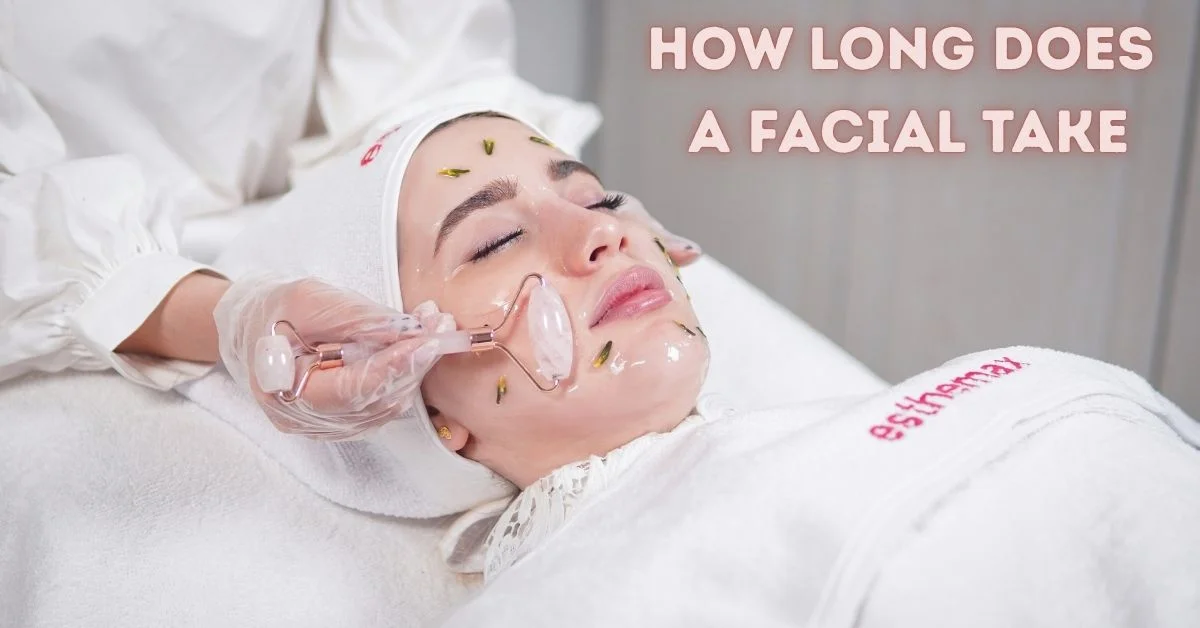
Booking a facial sounds simple until you realize you have no idea how long to actually block out. The appointment time on the confirmation email is not the full story. Between paperwork, transit, and your skin needing a little recovery afterward, the real time commitment is usually bigger than people expect. This guide covers how long different facials actually take, what happens during each step, and how to plan your day around it properly.
Featured Snippet Answer
How long does a facial take? A standard facial takes around 60 minutes. Express facials are closer to 30 minutes, and advanced treatments like HydraFacials or dermaplaning usually run 75 to 90 minutes. If it is your first visit, add 15 to 20 minutes for intake forms and a skin consultation. Factor all of this in before you book.
Read also: What Is Qullnowisfap? Meaning, Uses, and the Truth Behind the Trend
Quick Answer: How Long Is a Typical Facial?
The time depends on what you are getting done. Here is a simple starting point.
30-Minute Express Facial
This is the go-to option when time is tight. You get cleansing, a light exfoliation, and usually a mask or serum. Extractions and massage are not included, so it works best as a maintenance session when your skin is already doing well. Regular clients use it as a quick refresh between longer appointments. For first-timers with real skin concerns, it is probably not enough.
60-Minute Standard Facial
This is the most popular option and what most people imagine when they think of a facial. The full sequence fits in nicely: consultation, cleansing, exfoliation, extractions if needed, a face massage, mask, and moisturizer. It balances thoroughness with time and cost, making it the right choice for most people.
90-Minute Advanced or Specialty Facial
Anything more involved falls into this category. Multi-step treatments, combination therapies, or sessions that include neck and chest work tend to run 80 to 100 minutes. If dermaplaning or LED therapy is added on top of the standard steps, the 90-minute slot is what you will need.
Time Breakdown by Facial Type
Different facials vary in chair time, not just in what they treat. Here is what to expect for the most common ones.
HydraFacial
The standard HydraFacial runs 45 to 60 minutes. The machine handles most of the work, which keeps things moving faster than manual treatments. If your provider adds extras like lymphatic drainage or LED light therapy, plan for around 75 minutes. It is a thorough treatment that does not drag on.
Deep Cleansing Facial
This one usually takes 60 to 75 minutes, mostly because extractions need proper time. If you have congested pores, milia, or active breakouts, your esthetician will spend extra time clearing them out. Some sessions stretch to 80 minutes without anything going wrong. That is just what a careful, thorough treatment looks like.
Dermaplaning Facial
The dermaplaning itself takes 20 to 30 minutes, but it is almost always paired with a mask or hydration treatment. The total appointment usually lands between 60 and 75 minutes. Some places offer it as an add-on to a regular facial, which can bring the whole thing to 90 minutes.
Chemical Peel Facial
Lighter peels, like lactic or mandelic acid, take around 30 to 45 minutes in total. Medium-depth peels can go up to 60 minutes once you factor in prep, the actual peel, neutralizing, and aftercare instructions. The peel itself only sits on your skin for a few minutes, but everything around it adds time.
LED or Oxygen Facial
These tend to run on the shorter side, around 45 to 60 minutes. LED therapy involves lying still under a light panel for 10 to 20 minutes, and that time is counted within the appointment. Oxygen facials are similarly quick. Both are popular choices for people who want results with minimal downtime.
What Actually Happens During a Facial? Step-by-Step with Time Per Step
Understanding each step helps explain why the time adds up.
Consultation and Skin Analysis (5 to 10 minutes)
Your esthetician will ask about your skin concerns, the products you use, any allergies, and recent treatments. First-time visits take closer to 10 minutes since there is more ground to cover. They will examine your skin under magnification or bright lighting before deciding what to use.
Cleansing (5 minutes)
A gentle cleanser removes makeup, sunscreen, and surface buildup. Quick but necessary, because every step after this works better on clean skin. If you are wearing heavy makeup, some estheticians will do a double cleanse.
Exfoliation (5 to 10 minutes)
The time spent here depends on the method. A scrub or enzyme peel moves faster. Chemical exfoliants need a few minutes of dwell time before they can be removed. Sensitive skin also takes a little more care, which can add a couple of minutes.
Extractions (10 to 15 minutes)
This step causes the most time overruns. If your pores are congested, it simply takes longer. Some clients barely need any extractions while others need the full 15 minutes. Rushing this step causes skin damage, so a good esthetician will not cut corners here.
Massage (10 minutes)
Face, neck, and sometimes shoulder massage improves circulation and helps with lymphatic drainage. Most clients say this is their favorite part. It is also the step most likely to get shortened when an appointment is running behind.
Mask (10 to 15 minutes)
The mask goes on and you rest. Some providers use this time to massage your hands or scalp. The mask either draws out impurities or delivers active ingredients depending on your skin type, and it is removed with warm cloths.
Serums, Moisturizer, and SPF (5 minutes)
Final products are applied based on your skin needs. This is also when product recommendations usually come up. If you are not interested, it is completely fine to say you are good for now.
The Hidden Time Traps Nobody Warns You About
This section is what most booking guides leave out, and it is probably the most practical part of this whole article.
First-Visit Intake Forms Add 15 to 20 Minutes
Almost every spa requires a health and skin intake form before your first treatment. Some send it digitally so you can fill it out at home. Many still hand you a clipboard at the front desk. Add 10 to 15 minutes for that, plus a few minutes of conversation with your esthetician before the actual session begins. If your appointment is at 11:00am, do not be surprised if the facial does not start until 11:15am.
Why Extractions Can Push Your Appointment Over Time
Congested skin or a long gap since your last facial means extractions take longer than the listed slot. When that happens, your esthetician often has to shorten the massage or skip the scalp massage during the mask phase to stay on schedule. It is not their fault, it is just how a fully booked day works. If extractions are a priority for you, mention it when you book so they can set aside extra time.
The Post-Facial Recovery Window
Your skin may look a little red after a facial, especially if you had extractions or a chemical exfoliant used. That usually settles within an hour, but it is enough to feel awkward walking into a meeting or social situation. You also cannot go straight back to heavy foundation since your pores are open and your skin is more reactive than usual. It is a smart idea to keep 60 to 90 minutes free after your appointment before any public commitments.
Spa vs. Med-Spa: Why Timing Differs
A day spa facial and a med-spa facial are not the same experience when it comes to time. Day spa treatments are sensory and relaxed, and they usually run close to the scheduled slot. Med-spa treatments follow clinical protocols, use stronger actives, and sometimes include pre-treatment numbing or patch testing. That adds anywhere from 20 to 45 minutes to your total visit. If you are booking a peel or microneedling facial at a clinic, your time there will be longer than the appointment time suggests.
30 Min vs. 60 Min vs. 90 Min: What Do You Actually Get?
This is the comparison most people need before they choose a booking option.
A 30-minute facial is a surface-level refresh. You leave with cleaner, brighter skin, but there is no room to address deeper concerns. It works well between longer appointments or when your skin is already in good shape. Think of it as maintenance rather than treatment.
A 60-minute facial is where real results happen. You get the full process including extractions, massage, and a mask. It is the best option for most people because it gives your esthetician enough time to actually do something meaningful. Clogged pores, mild breakouts, or dull skin all respond well in a proper 60-minute session.
A 90-minute facial makes sense when you want a more thorough or premium experience. The extra time allows for advanced add-ons like LED therapy or microcurrent, and the pace is more relaxed throughout. If you are going for a special occasion or treating a specific concern, the 90-minute option tends to deliver the most complete result. It is also the one where you leave feeling like nothing was rushed.
How Long Do Facial Results Last?
This matters just as much as the appointment time because it tells you how often to actually book.
A standard facial typically holds for two to four weeks. The biggest improvement shows in the first few days, when your skin looks cleaner and more even. After that, normal cell turnover and everyday exposure start to bring it back to baseline.
HydraFacials and chemical peels tend to last four to six weeks. Results from these also build over time, so regular appointments across a few months give noticeably better skin than a single visit.
How Often Should You Get a Facial?
Once a month works well for most people. Skin goes through a full cell turnover cycle in about 28 days, so monthly facials fit naturally into that rhythm and support ongoing clarity and hydration.
For acne, hyperpigmentation, or heavy congestion, every three weeks for two to three months can help speed things up before settling into a monthly routine.
Dry or sensitive skin usually does fine with a visit every six to eight weeks. Over-treating sensitive skin can actually make things worse, so more frequent is not always better.
What Most People Get Wrong About Facial Timing
People tend to assume the booked time is the total time. It is not. The appointment slot covers the treatment itself, not arrival, paperwork, getting changed, recovery, or the drive home. A 60-minute facial is realistically a two-hour chunk of your day once you account for everything on both sides.
The other common mistake is scheduling a facial right before something important. A dinner, a flight, a presentation, or a photoshoot are all bad calls for the same day as a facial. Redness and sensitivity are normal, but they are poorly timed when you have somewhere to be. Whenever possible, book on a day with a lighter schedule.
Conclusion
The facial itself takes anywhere from 30 to 90 minutes depending on the type. But if you want to avoid stress, the smarter way to think about it is a two-hour window when you include everything before and after. Pick a relaxed day, show up a few minutes early, and give your skin time to settle before you head anywhere important. That small bit of planning makes the whole experience worth it.
FAQs
Can I go back to work right after a facial?
It depends on the treatment. After a basic hydrating or express facial, your skin usually settles within 20 to 30 minutes. After extractions or a peel, redness can take 45 to 90 minutes to calm down. If you have meetings or client-facing work, scheduling the facial at the end of your day is the safer choice.
How early should I arrive for my facial appointment?
For a first visit, aim for 10 to 15 minutes early to handle intake forms. For follow-up visits, 5 minutes is usually enough. If you arrive late, most spas will still end the session on time, which means you lose treatment time rather than the esthetician.
Does a longer facial mean better results?
Not automatically. A skilled esthetician can do more in 60 focused minutes than a less experienced one in 90. That said, some treatments genuinely require more time to be done properly. The provider’s skill level matters more than how long you are in the chair.
How long does a facial take for sensitive or acne-prone skin?
Sensitive skin facials often run 45 to 60 minutes because fewer steps are used to keep irritation down. Acne-prone skin facials can take 60 to 75 minutes due to extended extractions and targeted treatments like high-frequency therapy or salicylic-based products.
Is a 30-minute facial worth it?
Yes, in the right situation. If your skin is healthy and you just want a quick reset, 30 minutes delivers a real improvement without eating up your day. For first-timers or anyone with active skin concerns, a 60-minute session will give you results that are actually worth the trip.
What should I avoid doing right after a facial?
Hold off on heavy makeup, direct sun, sweaty workouts, and exfoliating products for at least 24 hours. Your skin is more open and reactive right after a facial, and exposing it to harsh products or heat can lead to irritation or breakouts.

If you’ve been searching for something to help with hair thinning, weak nails, or general fatigue, you’ve probably come across the name Pantagonar. But the information online is scattered, confusing, and sometimes mixes it up with a completely different product. This guide clears all of that up.
Here you’ll find a straightforward explanation of what Pantagonar actually is, what’s inside it, how it works, how to use it correctly, and what realistic results look like. No hype, just honest and useful information from start to finish.
What Is Pantagonar?
Simple Explanation for Beginners
Pantagonar is a nutritional supplement designed to support hair growth, strengthen nails, and improve overall wellness from the inside. It works by supplying the body with key vitamins, amino acids, and minerals that are directly involved in the production of keratin, which is the main protein that makes up your hair and nails.
Think of it as targeted nutritional support. When your diet is missing certain nutrients, your hair and nails are often the first things to show it. Pantagonar is designed to fill those gaps.
In 40 to 60 words: Pantagonar is a health supplement that combines vitamins, amino acids, and minerals to support hair growth and nail strength. It works internally by providing the building blocks the body needs to produce keratin. It is typically used by people experiencing hair thinning, brittle nails, or general nutritional deficiency.
Is It a Real Supplement or Just a Trending Name?
This is where a lot of confusion starts. Pantagonar is a real supplement that exists in several markets, particularly in parts of Europe and Latin America. However, because of its similarity to a better-known product called Pantogar, many people confuse the two or assume they are the same thing.
Pantagonar is not a made-up name. It is a legitimate supplement with a defined formula. That said, availability varies by region, and in some places it may be sold under slightly different names or by local distributors.
Read also: What Is Qullnowisfap? Meaning, Uses, and the Truth Behind the Trend
Key Ingredients in Pantagonar
Vitamins for Hair and Energy
The vitamin content in Pantagonar typically includes B vitamins, particularly Biotin (B7) and Pantothenic Acid (B5). These are well known for their role in hair health. Biotin helps the body metabolize proteins and fats, which are essential for hair follicle function. Pantothenic acid supports the adrenal glands and helps convert food into energy, which keeps the hair growth cycle running properly.
Some versions also contain Vitamin E, which improves circulation to the scalp, and Vitamin C, which helps in collagen synthesis and protects follicles from oxidative stress.
Amino Acids and Proteins
This is often the most important part of a hair supplement and also the most overlooked. Amino acids like L-cysteine and methionine are sulfur-containing compounds that are direct building blocks of keratin.
Without enough of these, your body simply cannot build strong hair strands, no matter how healthy the rest of your diet is. These amino acids are particularly helpful for people who eat low-protein diets or have digestive issues that reduce protein absorption.
Minerals That Support Growth
Zinc and iron are the two minerals most associated with hair loss when deficient. Pantagonar typically includes both. Zinc supports the function of hair follicle oil glands and helps repair tissue. Iron carries oxygen in the blood to the scalp and hair roots. A lack of either one is a very common but often overlooked cause of hair thinning, especially in women.
How Pantagonar Works
How It Supports Hair Growth
Hair grows from follicles beneath the scalp, and those follicles need a steady supply of nutrients to stay active. When the body is deficient in certain vitamins or amino acids, follicles can enter a resting phase too early, leading to increased shedding and slower regrowth.
Pantagonar works by restoring those nutrients so follicles can stay in their active growth phase longer. It does not work on the surface of the hair. It works from the inside out, which means you need to be patient with it.
In 40 to 60 words: Pantagonar supports hair growth by supplying nutrients that keep follicles in their active growth phase. It provides amino acids for keratin production, vitamins for follicle health, and minerals that support blood flow to the scalp. Results happen gradually as the body restores deficient nutrient levels over time.
Effects on Nails and Skin
The same nutrients that support hair also benefit nails and skin. Keratin is found in nails too, so amino acids like cysteine help nails grow stronger and more resilient. Users often notice nail improvement before hair improvement, simply because nails are smaller structures that reflect nutritional changes faster.
Skin benefits are secondary but real. B vitamins and zinc contribute to clearer skin and a healthier skin barrier.
Internal Nutritional Support
Beyond hair and nails, Pantagonar can also contribute to better energy levels and reduced fatigue. This is mainly a result of the B vitamins supporting energy metabolism. Many users report feeling slightly more alert and less tired after a few weeks, which is a sign that their body was previously running on a nutritional deficit.
Benefits of Pantagonar
Hair Growth and Thickness
The most commonly reported benefit is reduced hair shedding, followed by improved hair density over time. Users notice that their hair feels thicker and that regrowth appears at the hairline and temples more visibly after consistent use.
It is important to understand that Pantagonar is not a cure for genetic hair loss. If your hair thinning is purely hormonal or hereditary, supplements alone will not reverse it. But if there is a nutritional component involved, which is extremely common, Pantagonar can make a real difference.
Stronger Nails
Many people who used this for hair notice the nail improvement first. Nails that used to peel or break easily become harder and grow faster. Based on general user experience, this benefit tends to appear within four to six weeks of consistent use.
Improved Energy and Vitality
This is a benefit that many people do not expect but end up appreciating. The B vitamin complex in Pantagonar helps the body convert food into usable energy more efficiently. People who were previously low in these vitamins often feel noticeably less fatigued within the first month.
How to Use Pantagonar
Recommended Dosage
Pantagonar is typically taken as one capsule or tablet, two to three times daily, depending on the specific product version and concentration. Always follow the dosage instructions on the packaging you purchase, since formulations can vary slightly between brands and regions.
Do not take more than the recommended dose thinking it will speed up results. Excess water-soluble vitamins are simply excreted, and excess minerals can cause side effects.
Best Time to Take It
Take Pantagonar with meals. The fat-soluble vitamins in the formula are better absorbed when taken alongside food, and it also reduces the chance of any mild stomach discomfort. Taking it at the same time each day helps maintain consistent blood levels of the nutrients.
Tips for Better Results
Hydration matters more than people realize when taking any hair supplement. Drink enough water daily. Also, combining Pantagonar with a protein-rich diet will amplify results because the supplement provides the micronutrients, but your diet still needs to supply adequate macronutrients.
Avoid smoking and excessive alcohol, both of which deplete B vitamins and zinc rapidly, working against what the supplement is trying to do.
How Long Does Pantagonar Take to Work?
Week-by-Week Expectations
Weeks 1 to 4: You likely will not see major changes in hair yet. Internally, the body is starting to replenish depleted nutrients. Some people notice slightly improved energy or nail changes during this phase.
Weeks 4 to 8: Reduced hair shedding is the most commonly reported change at this stage. Your hairbrush may have noticeably less hair in it. Nails are likely visibly stronger.
Months 3 to 6: This is when visible hair improvement becomes noticeable. New growth along the hairline, improved density, and healthier texture are typical results at this stage.
Month 6 and beyond: Most users see their peak results here. Consistent use over six months gives the body enough time to go through full hair growth cycles supported by proper nutrition.
Factors That Affect Results
Your starting nutritional status matters a lot. Someone who was severely deficient will notice faster and more dramatic changes. Someone who was only mildly deficient may see smaller improvements. Age, stress levels, sleep quality, and overall diet all influence how well the supplement works.
What Most People Get Wrong About Pantagonar
Many people start taking Pantagonar expecting it to work like a medication that targets hair loss directly. It does not. It is a nutritional supplement, not a drug. It cannot block DHT, reactivate dead follicles, or override genetics.
Where it genuinely works is in cases where the underlying issue is nutritional, which is far more common than most people realize. Hair loss caused by iron deficiency, low protein intake, B vitamin depletion from stress or poor diet, or crash dieting responds very well to this kind of supplementation.
If you have been expecting dramatic results in two weeks, that is the wrong expectation. Give it three to six months with consistent use and a healthy diet before deciding whether it works for you.
Pantagonar vs Pantogar
Key Differences
This is one of the most searched questions about Pantagonar, and the confusion is completely understandable given how similar the names are.
Pantogar is a clinically studied, branded supplement made by Merz Pharma, and it has decades of research and clinical trials behind it. It is widely available across Europe and has a well-established reputation.
Pantagonar appears to be a variation or regional alternative with a similar formulation concept, aimed at the same benefits. However, it does not have the same level of published clinical research behind it specifically.
In 40 to 60 words: Pantogar is an established, clinically studied supplement with decades of research behind it. Pantagonar is a similar product with a comparable formulation but less documented clinical data. Both target hair, nail, and skin health through nutritional support. Pantogar has more verifiable research; Pantagonar is positioned as a more accessible alternative in certain markets.
Which One Is Better?
If Pantogar is available in your region and fits your budget, it is generally the more documented choice. If Pantagonar is what is accessible to you, it can still be effective as long as the ingredient profile is similar. Always check the ingredient list and compare it against what you need.
Safety, Side Effects, and Risks
Common Side Effects
Pantagonar is generally well-tolerated. The most commonly reported side effect is mild nausea or stomach discomfort, particularly when taken on an empty stomach. This typically goes away once you start taking it with food.
Some people notice that their urine turns a brighter yellow color. This is completely harmless and is simply the body excreting excess riboflavin (B2).
Who Should Avoid It
Pregnant or breastfeeding women should consult a doctor before starting any new supplement, including Pantagonar. People with kidney disease should be cautious with mineral-heavy supplements. Anyone with a known allergy to any of the listed ingredients should avoid it entirely.
If you are on any medication, particularly blood thinners or medications for thyroid conditions, check with your doctor first since certain vitamins and minerals can interact with these.
Is It Safe for Daily Use?
Yes, for most healthy adults, daily use at the recommended dosage is considered safe. This is a nutritional supplement, not a stimulant or hormone. Long-term use is common and generally without issues as long as you stick to the recommended dose.
My Experience with Pantagonar
I started paying attention to Pantagonar after noticing that many people in online wellness communities were asking about it specifically as an alternative to Pantogar. What stood out to me was how consistent the experience reports were. The nail improvement timeline, the energy shift around week three or four, and the hair shedding reduction before visible regrowth were patterns that came up repeatedly across different users in different regions. That consistency is usually a sign that something is actually working, at least for the people it is suited for.
Real User Experiences
Positive Results
Most users report that their biggest win is the reduction in hair shedding, usually noticed between weeks four and eight. Many say they were surprised by how much stronger their nails became, often before any visible hair improvement. Improved energy levels are a recurring secondary benefit that users mention with genuine surprise.
Limitations and Complaints
The most common complaint is that results take too long. Some people stop using it after one month and say it did not work, but that is simply too short a timeline for a nutritional supplement. Others mention that it did not help when their hair loss was hormonal in origin, which is a realistic limitation of any nutrient-based supplement.
Price and availability are also common concerns depending on where you live.
Is Pantagonar Worth It?
Pros and Cons
Pros: Supports hair, nails, and energy from the inside. Well-tolerated by most people. Addresses nutritional deficiencies that are commonly overlooked. Can produce genuine results when the underlying cause is nutritional.
Cons: Takes three to six months for full results. Will not help if hair loss is purely genetic or hormonal. Clinical research specifically on Pantagonar is limited compared to Pantogar. Availability varies by region.
Final Verdict
If you suspect your hair thinning or brittle nails are connected to a nutritional gap, which is more common than most people think, Pantagonar is a reasonable and generally safe supplement to try. Go in with realistic expectations, commit to at least three months, take it consistently with food, and support it with a decent diet.
It is not a miracle product. But it is not a waste of money either, especially if your body genuinely needed what is inside it.
Conclusion
Pantagonar is a nutritional supplement designed to support hair growth, nail strength, and general wellness by restoring key vitamins, amino acids, and minerals that the body needs. It is not a drug and it is not a quick fix, but for people whose hair and nail problems are rooted in nutritional gaps, it can deliver real, noticeable improvements with consistent use over three to six months. Be realistic about what it can and cannot do, take it properly with food, give it enough time, and support it with a balanced diet. That is how you get the most out of it.
FAQs
What is Pantagonar used for?
Pantagonar is used to support hair growth, strengthen brittle nails, and improve overall wellness by supplying vitamins, amino acids, and minerals the body needs. It is most effective for people experiencing hair or nail issues related to nutritional deficiency.
Does Pantagonar really work for hair growth?
It can, but it depends on the cause of your hair thinning. If nutrition is a contributing factor, which is very common, Pantagonar can help reduce shedding and support regrowth over time. It is not effective for purely genetic hair loss.
How long before I see results?
Most users notice reduced shedding between weeks four and eight. Visible hair improvement typically takes three to six months of consistent daily use.
Can men and women both use it?
Yes. Both men and women can take Pantagonar. Hair loss from nutritional deficiency affects both genders, and the supplement is not hormone-based, so it is suitable for either.
Are there any side effects?
Side effects are uncommon and usually mild. The most reported are mild nausea when taken without food and bright yellow urine from excess B vitamins. Both are harmless and manageable.
Is Pantagonar the same as Pantogar?
No. They are similar in concept and target the same benefits, but they are different products. Pantogar is a well-established clinical brand with documented research. Pantagonar is a comparable supplement available in certain markets, with a similar formulation but less specific clinical data.

Qullnowisfap is a term that has been circulating online with very little explanation of what it actually means. Some sites connect it to skincare routines, others treat it as a wellness or cleansing concept, and a few present it as a trending product name. The confusion is real, and that is exactly why this article exists.
If you have come across this word and felt lost, you are not alone. In this guide, you will get a clear breakdown of what Qullnowisfap is, whether it is a real product or just a viral keyword, what people claim it does, and whether any of it holds up. No fluff, no guessing, just a straightforward look at the facts.
Quick Answer: What Exactly Is Qullnowisfap?
Simple Definition
Qullnowisfap does not appear in any verified medical, scientific, or established skincare database. Based on current search patterns and the content built around it, it functions as a coined or invented keyword, one that has been attached to skincare and wellness content online without a clear origin, brand, or product backing it up.
In simple terms: Qullnowisfap is not a recognized ingredient, established brand, or proven skincare method. It is a term that has spread online, often used as a hook for content about cleansing routines, skin health, or wellness habits.
Is It a Real Product, Concept, or Just a Viral Term?
At this point, the most honest answer is that it sits somewhere between a viral keyword and a loosely defined concept. There is no official company, no registered brand name, and no peer-reviewed research behind the word. Some content creators have used it as a framework for skincare storytelling, but the term itself has no grounded definition.
Think of it like this: if you searched for a specific supplement brand and found ten different websites with ten different explanations, none linking to an actual product page or verified source, that would be a red flag. Qullnowisfap follows that pattern closely.
Social Media and Search Trends
Invented or vague keywords often spread because of curiosity. When someone stumbles on an unfamiliar word that sounds technical or exclusive, they search for it. That search activity signals to content creators and SEO writers that there is an audience, even if the term itself is meaningless.
Platforms like TikTok and Instagram have accelerated this cycle. A short video using a unique or strange-sounding word can generate thousands of searches within hours, creating an entire content ecosystem around something that started as nothing.
Possible Reasons for Sudden Popularity
Several things can cause a made-up or niche term to trend. These include:
Curiosity-driven clicks from people seeing the word in comment sections or video captions. Content farms building articles around low-competition keywords to attract traffic. Marketing experiments where brands test keyword reactions before launching actual products. Meme culture, where intentionally absurd or confusing terms get shared ironically.
Qullnowisfap likely fits into one or more of these categories. The word structure is unusual enough to attract attention but vague enough to be attached to almost any topic.
Viral Keyword or Actual Marketing Tactic?
In digital marketing, this is known as keyword farming. A term gets planted online, articles get written around it, and search traffic builds before anyone realizes the term has no real-world meaning. It is not illegal, but it can mislead people into thinking they are missing out on a trend or product that does not actually exist.
A real-world comparison: remember when “clean girl aesthetic” spread across social media? It was a vague term, but it pointed to real products and real habits. Qullnowisfap, so far, does not point to anything verifiable.
Is Qullnowisfap Real or Fake? An Honest Look
Signs It May Be a Spam or Viral Keyword
Several signals suggest this is not a legitimate product or concept:
No official website or brand exists under this name. No ingredient database lists it as a recognized compound. No dermatologist, scientist, or verified expert has cited it. Every article about it reads differently, with no consistent definition. Search results mostly point to content farms and low-authority sites.
These are classic signs of a keyword that was created for traffic, not education.
How to Verify Any Trend Before You Trust It
A useful habit for anyone navigating skincare or wellness trends is to run a simple check before spending money or changing a routine. Look for the term on the FDA website, EWG’s Skin Deep database, or PubMed. If it does not appear in any of those places, treat it with caution.
You can also check whether the brands promoting it have a physical address, customer reviews on third-party platforms, and transparent ingredient lists. Legitimate skincare brands pass these checks easily.
Risks of Following Unknown Trends
Applying unknown products to your skin carries real risk. Skin reactions, allergic responses, and long-term irritation can result from using ingredients that have not been tested properly. Beyond physical risk, there is also financial risk: people spend money on trending products that deliver no results and sometimes cause harm.
A woman in an online skincare forum once shared that she spent over sixty dollars on a product trending under a vague hashtag, only to realize later the “hero ingredient” was just a rebranded form of glycerin, something available for under five dollars at any pharmacy. That is the real cost of chasing unverified trends.
What People Claim About Qullnowisfap in Skincare
Claimed Uses in Skincare Routines
Despite the lack of evidence, a significant amount of content connects Qullnowisfap to skincare routines. The claims generally include deep cleansing, skin brightening, removal of environmental pollutants, and improved skin texture over time.
Some articles also link it to a broader “cleansing philosophy,” suggesting it is less about a product and more about an approach to skin health. That framing is interesting, but it also makes it impossible to evaluate because there is nothing concrete to assess.
Product Types Associated With the Term
Online content has loosely associated Qullnowisfap with:
Facial cleansers and foaming washes. Exfoliating serums and toners. Hair cleansing treatments. Detox masks and clay-based products.
These are all real skincare categories. The problem is that attaching a made-up term to them does not make the term itself real or meaningful.
Common Ingredients If You Follow the Skincare Angle
If you are interested in what these types of products typically contain, legitimate cleansing and brightening products often use niacinamide for tone evening, salicylic acid for pore clearing, hyaluronic acid for hydration, and vitamin C for brightness. These are proven, well-researched ingredients worth knowing about.
How to Build a Good Cleansing Routine Without Following Unverified Trends
Basic Beginner Routine
Keep it simple. A good starting point for any skin type includes a gentle cleanser, a moisturizer with SPF for daytime, and a basic hydrating serum for nighttime. That covers the essentials without requiring any trending or unverified products.
Morning Routine
Start with a gentle water-based cleanser, apply a vitamin C serum if brightening is a goal, follow with a lightweight moisturizer, and finish with SPF 30 or higher. This takes under five minutes and is backed by dermatology research.
Night Routine
Cleanse to remove the day’s buildup, apply a retinol or peptide serum if your skin tolerates it, and seal with a richer moisturizer or barrier cream. Consistency here matters more than product names.
Weekly Care Steps
Once or twice a week, use a chemical exfoliant like an AHA or BHA product to clear dead skin cells. This improves texture and product absorption more effectively than most trend-based routines.
Claimed Benefits Versus What the Science Actually Supports
What Promoters Claim
Those writing about Qullnowisfap often list benefits like radiant skin, reduced inflammation, emotional detox, better sleep, and improved mental clarity. The mix of physical and emotional claims is a common pattern in wellness marketing.
What Actually Makes Sense
Proper skin cleansing and a consistent routine genuinely do improve skin health. That part is accurate. But emotional and mental benefits attributed to a keyword or unnamed product are not supported by science. A good skincare routine can improve confidence, and that has real psychological value, but the mechanism is the routine itself, not a specific trend.
What to Be Skeptical About
Be cautious any time a single term promises both physical and emotional transformation. That kind of broad claim is a marketing strategy, not a scientific position. Effective skincare is specific: it targets particular concerns with particular ingredients at appropriate concentrations.
Common Mistakes to Avoid When Exploring Trends Like This
Following Trends Without Research
The fastest way to damage your skin or waste money is to apply a product simply because it is trending. Before adding anything new to your routine, check the ingredient list, look for patch test recommendations, and consult a dermatologist if you have sensitive skin.
Using Products With No Verified Background
If a product has no listed ingredients, no brand history, no third-party reviews, and no regulatory registration, do not put it on your face. This applies to anything marketed under vague or invented names.
Overcomplicating Your Routine
Many people harm their skin barrier by layering too many products, especially when experimenting with trends. A streamlined routine with three to five proven products will outperform a ten-step routine built around unverified claims nearly every time.
Qullnowisfap vs Traditional Skincare
Key Differences
Traditional skincare is built on decades of dermatology research, clinical trials, and regulated ingredient standards. A keyword like Qullnowisfap has none of that foundation. The difference is not about being conservative versus modern. It is about whether the approach is testable and verifiable.
Which Approach Is Safer and Better Proven
Evidence-based skincare wins every time. Brands like CeraVe, La Roche-Posay, The Ordinary, and Paula’s Choice have published research, transparent ingredient sourcing, and verifiable results. These are reliable starting points for anyone serious about skin health.
What Skin Experts Would Say
Most licensed dermatologists and estheticians advise sticking to ingredients with published efficacy data. They consistently caution against following trends built around vague terminology, especially when those trends attach emotional or lifestyle-based claims to topical products.
Who Should Engage With This Trend (and Who Should Step Back)
People Who Might Explore the Concept Safely
If you are a skincare enthusiast who enjoys researching trends and you approach Qullnowisfap as a conversation starter rather than a product recommendation, there is little harm in reading about it critically. Curious, informed readers who verify before they buy are not at risk.
Skin Types That Should Be Extra Careful
Anyone with reactive, sensitive, or condition-prone skin (eczema, rosacea, acne) should be especially cautious about trying products linked to unverified trends. Introducing unknown variables into a sensitive skin routine can trigger flare-ups that take weeks to resolve.
Safety Considerations
Always patch test. Always read ingredient labels. Always check whether a product is registered with a relevant regulatory authority in your country before using it.
Conclusion
The honest takeaway is this: Qullnowisfap is almost certainly a keyword without a clear, legitimate product or scientific concept behind it. That does not mean the skincare habits people associate with it are useless. Cleansing, moisturizing, and consistent routines are genuinely valuable. But you do not need a trending term to build good skincare habits.
Stick with ingredients that have research behind them. Support brands that are transparent about what they put in their products. And when something sounds interesting but undefined, take a few minutes to verify it before investing time or money.
Good skincare is not about following every trend. It is about understanding your skin and making informed choices. That never goes out of style.
FAQs
Is Qullnowisfap safe to use?
There is no verified product under this name to evaluate for safety. If a product claims to be “Qullnowisfap,” check its ingredient list against a trusted database like EWG Skin Deep before use. Safety depends entirely on what is actually in the product, not what it is called.
Is it a real brand?
No registered brand by this name has been identified through standard business or trademark searches. It does not appear in major skincare directories or regulatory databases as of current research.
Does it actually work?
Without a defined product, ingredient, or method attached to the name, there is nothing measurable to evaluate. Skincare works when specific proven ingredients are used correctly. A name alone does not produce results.
Why is it trending?
Most likely because the term triggers curiosity, which drives searches, which encourages content creators to write about it. This cycle is common with coined or vague keywords in the wellness and skincare space.
Should I buy products labeled as Qullnowisfap?
Exercise caution. Verify the brand, read the ingredient list, check for third-party reviews, and consult a skin professional if unsure. Do not buy based on the name alone.
-

 Quotes1 week ago
Jim Elliot He Is No Fool Quote Meaning & Story
-

 Quotes2 months ago
Commitment to Excellence: Meaning and Examples
-

 Quotes2 months ago
Horsemanship Quotes for Riders and Horse Lovers
-

 Tech1 week ago
Newscod Explained: Features, Benefits, and Worth
-

 Tech1 week ago
Fkstrcghtc: A Complete Guide
-

 Tech1 week ago
Miflow Explained: Software, Studio, and More
-

 Health & Fitness1 week ago
Cryotherapy Cost: What to Expect in 2026
-

 Tech1 week ago
Mywaperu: A Complete Guide for New Users