
Tech
Spaietacle: A Practical Guide to Visual Experiences

A lot of people searching for Spaietacle are not just curious about the word. They want to know what it actually does, how it fits into real content work, and whether it is worth their time. This guide answers all of that without overcomplicating things. By the end, you will understand what Spaietacle really means, where most people go wrong with it, and how to start using it even if you have never tried anything like it before.
Featured Snippet Answer
Spaietacle is a content and visual experience framework that brings together strategic storytelling, strong visuals, and audience-focused design. It is the difference between a billboard people scroll past and one that actually makes them stop and do something. The goal is not just to look good. It is to create something that works.
What Is Spaietacle?
Where the Concept Comes From
Brands and creators kept spending money on polished videos and high-quality design, only to watch engagement stay flat. The content looked great. But nobody was responding to it. That gap is what Spaietacle grew out of.
The realization was that visual quality alone does not build audience connection. Spaietacle came together as a framework to fix that. It combines strong visuals with structured content strategy so that every piece of content is not just attractive but purposeful. It is not an app or a platform. It is a way of thinking about how content gets built and what it is supposed to do.
Read also: Pushwiki.com Review: What It Is and Is It Worth Using?
One-Sentence Definition for Beginners
Spaietacle is the practice of creating visually powerful content that is backed by clear strategy, built around a specific audience, and designed to produce a real result rather than just a reaction.
Why Most Spaietacle Attempts Fall Flat
Most people come across the concept, get inspired, build something visually ambitious, and then wonder why nothing happened. The failure usually comes from one of three places.
Mistake 1: Style Over Substance
Treating Spaietacle like a design trend is the most common error. Someone sees a visually rich campaign, decides they need something like it, hires a designer, and ships something beautiful. The problem is there is no real message underneath it.
The audience experiences something that looks impressive for a few seconds and then keeps scrolling because nothing told them what to do or why any of it mattered to them. A small clothing brand that invests in a cinematic product video with dramatic lighting might get decent views. But if the video never explains why someone should care about the product beyond how it looks, sales will not move.
Mistake 2: No Strategy Behind the Visual
This one is slightly different. The creator has a message, but the visual and the strategy are treated as two separate things that just happen to coexist in the same campaign. They are not connected.
In a working Spaietacle approach, every visual decision points the audience toward a specific outcome. When that connection is missing, you end up with beautiful content that confuses people instead of guiding them anywhere.
Mistake 3: Inconsistent Messaging Across Channels
Spaietacle requires consistency. If your Instagram looks one way, your website looks completely different, and your emails feel like they came from a different company, people never form a clear picture of who you are.
Audiences rarely notice when things are consistent, but they always feel it when something is off. That feeling erodes trust slowly, and most people cannot even explain why they stopped paying attention.
Real-World Example: Before and After
A digital agency builds an animated explainer video for a SaaS product. The motion graphics are professional, the voiceover is clean, and the whole thing looks polished. But the visual style does not match the product website, the message shifts halfway through, and there is no clear call to action. The video gets views and almost no trial signups.
The agency rebuilds the whole thing with one clear message upfront: this tool saves your team three hours a week. The visuals match the product interface. The video ends with a direct next step. The second version drives a 40 percent increase in trial signups from the same audience. That is Spaietacle working the way it is supposed to.
The Core Elements of Effective Spaietacle
Visual Appeal That Serves a Purpose
Strong visuals in this framework are not decorative. Every design choice exists to carry the message forward. That does not mean content needs to be minimal or boring. It means that even the most ambitious visual production should pass one simple test: does this element help the audience understand or feel what they need to in order to move forward? If it does not, it probably does not belong.
Storytelling as the Foundation
Without a story, you have a visual. With one, you have something people remember. The structure does not need to be complicated. Start with something the audience recognizes, show what changes, and bring them to where you want them to land. Even a product page or a short social post can follow that same arc. The format is flexible. The intent matters more.
Audience-First Thinking
Most failed content faces inward. It reflects the creator’s preferences or the brand’s internal comfort zone. Effective Spaietacle faces outward. Before building anything, ask what this specific audience needs to feel, understand, or believe in order to take the action you want. Then build backward from that answer.
Strategic Structure
Structure is what makes a Spaietacle experience feel deliberate rather than scattered. This covers the sequence of information, the pacing of what gets revealed, where the calls to action appear, and how the overall message is prioritized. Without structure, even well-made content feels chaotic. With it, the audience moves through the experience naturally and without friction.
How Spaietacle Works Across Different Industries
Digital Marketing and Content Creation
This is where the framework gets used most. Social campaigns, branded video, landing pages, and email sequences all benefit from it. Because digital marketing moves quickly, the strategy and the visual need to be built together from the start rather than connected after the fact.
Branding and Visual Identity
Spaietacle pushes organizations to figure out what they stand for before they decide how they look. Brands that work through that process tend to end up with more consistent identities because every design choice has a reason behind it, not just a preference.
Events and Live Experiences
Events are a strong fit because the audience is already present and paying attention. Applied well, the framework helps organizers design environments where the visual experience reinforces the event’s core message at every point, from arrival through to the follow-up content people receive afterward.
Which Industries Benefit Most (Ranked)
- Digital marketing and content agencies
- E-commerce and direct-to-consumer brands
- Event production and experiential marketing
- Education technology and online learning platforms
- Entertainment and media brands
How to Apply Spaietacle: Step-by-Step for Beginners
Step 1: Define Your Core Message First
Before opening any design tool or writing a brief, write one sentence about what you want your audience to take away. Not a list. One sentence. If you cannot do that clearly, your audience will not be able to either. The difficulty of this step is actually the point.
Step 2: Choose the Right Visual Format
Once you know what you are communicating, the format often becomes obvious. A complex process might work better as an infographic or a short walkthrough. An emotional story might land better with photography and simple text. The format should serve the message, not the other way around.
Step 3: Build the Experience Around the Audience
Think about where people will encounter this content, how much attention they are likely to have at that moment, what they already know, and what they might push back on. Design for the real person in the real context, not for a hypothetical ideal reader.
Step 4: Test, Measure, and Refine
Spaietacle is not a single production. After launch, track where people engage, where they drop off, and what they return to. Use that data to adjust the next version. This is how the framework gets better over time instead of staying static.
Spaietacle vs. Traditional Content: A Side-by-Side Comparison
| Factor | Traditional Content | Spaietacle Approach |
| Primary goal | Inform or entertain | Inform, engage, and drive a specific action |
| Visual role | Supplementary | Central and strategic |
| Audience focus | Broad and general | Specific and behavior-informed |
| Measurement | Views and reach | Engagement depth and conversion |
| Creation process | Design follows content | Strategy, story, and design built together |
| Consistency requirement | Moderate | High across all touchpoints |
| Effort level | Lower upfront | Higher upfront, lower correction costs later |
How to Measure Whether Your Spaietacle Is Working
Key Metrics to Track
Watch time and scroll depth tell you whether people are staying long enough to receive the full message. Click-through rate on calls to action shows whether the experience is creating any momentum. Return visits and saves suggest the content had enough value that someone wanted to come back.
For brand-focused work, comments, replies, and direct feedback can tell you whether the emotional response you were aiming for is actually landing.
Signs It Is Not Working and What to Do
If people view but do not engage, the visual is pulling attention but the message is not connecting. Go back to the story structure and check whether the core point is clear within the first few seconds.
If engagement is solid but conversion is low, the experience is enjoyable but not purposeful enough. Tighten the call to action and make sure the entire visual experience is pointed at one clear outcome.
If different audience groups are responding in very different ways, the messaging may be too broad. Consider building separate experiences for different segments rather than trying to serve everyone with one version.
Best Practices for Long-Term Spaietacle Success
Keep Complexity Low, Impact High
The natural temptation with any visual framework is to keep adding things. More layers, more transitions, more elements. The most effective Spaietacle work tends to be the clearest. Complexity that does not add meaning just adds confusion.
Stay Consistent Across Platforms
Your audience will encounter your content in multiple places. The visual language, tone, and message should feel connected across all of them. Not identical, but coherent. Someone who sees your social post and then visits your website should feel like they are in the same place.
Optimize for Mobile Audiences
Most digital content is consumed on phones, but most Spaietacle experiences are designed on desktop. Before finalizing anything, check how it performs on a small screen. Text that reads clearly on a monitor can become unreadable at mobile size. What looks striking at full resolution can lose its impact when compressed. Mobile is not a secondary check. For most audiences, it is the first experience they will have.
What Most People Get Wrong About Spaietacle
The most common misconception is that Spaietacle is about production quality. Spend more on visuals, get better results. That is almost never how it works. Production value amplifies a strategy that already works. If the strategy is unclear, spending more just makes the problem look more expensive.
The people who get the most out of this framework are not the ones with the biggest budgets. They are the ones who are clearest about what they want their audience to experience and consistent enough to make every visual decision serve that goal.
Conclusion
Spaietacle is simpler than it sounds once you see what it is actually asking you to do. Get clear on your message first. Build the visual around that message. Make decisions based on your audience, not your own taste. Track what happens and adjust from there. That sequence, done consistently, is what separates content that gets remembered from content that just gets seen.
FAQs
What does Spaietacle actually mean in simple terms?
Spaietacle is a framework for building digital content where the visual design and the strategy work together. Instead of just creating something that looks good, you are building an experience that is meant to make a specific audience feel or do something specific. The design is not decorative. It is doing a job.
Is Spaietacle only for big brands or can beginners use it?
Anyone can use it. The framework does not require a large budget or a full creative team. A solo creator with a clear message, a consistent visual approach, and a defined audience can apply Spaietacle principles just as effectively as a major brand. The thinking matters more than the resources.
How is Spaietacle different from regular visual marketing?
Regular visual marketing often uses design to get attention. Spaietacle uses design to communicate meaning. The difference shows up in how decisions get made. In regular visual marketing, you might ask what looks best. In Spaietacle, you ask what visual choice best supports the message and guides the audience toward a specific outcome.
How long before results show up from a Spaietacle strategy?
It depends on what you are measuring. Engagement-related metrics can improve within the first campaign cycle. Conversion results usually take two to three cycles as you refine things based on real audience data. Brands that see the fastest improvement are the ones that build in a measurement and adjustment phase from the beginning rather than treating the first launch as the final version.
What tools help with creating Spaietacle-style content?
For design, Canva, Figma, and Adobe Express are solid starting points. For video, CapCut and Descript make iteration fast. For tracking performance, Google Analytics and platform-native insights cover the basics. That said, the tools are the least important part. The thinking behind the content will always matter more than which software you use to produce it.
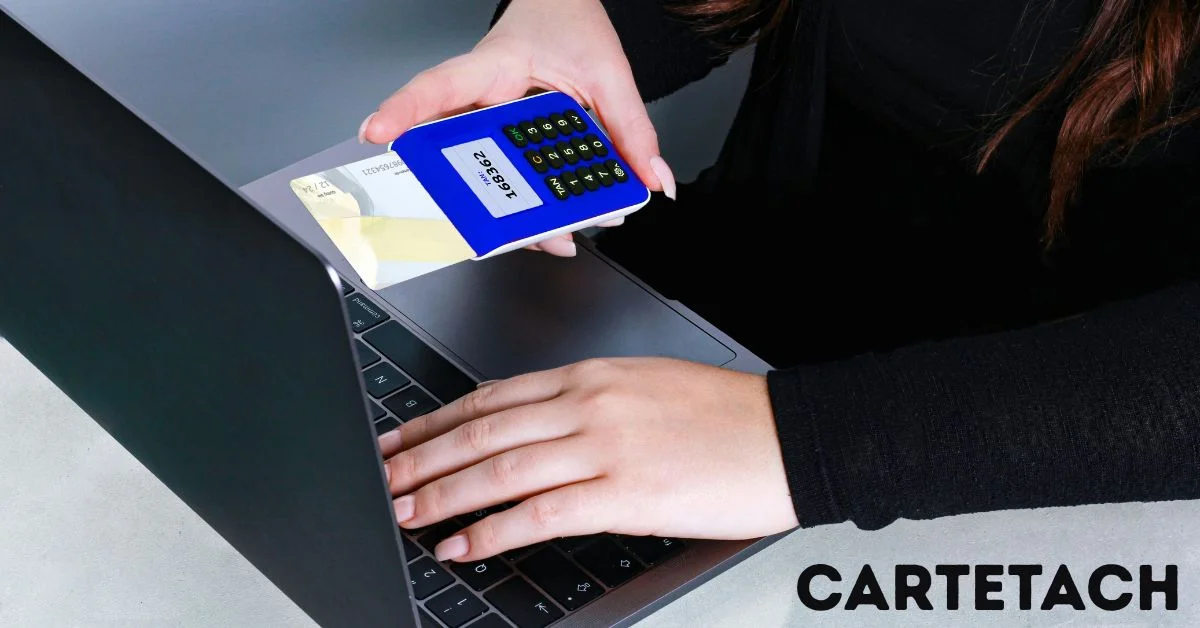
Picture your wallet right now. There is probably a bank card, a work ID, maybe a transit card, and a few other things you tap or swipe daily. Cartetach is built around one simple idea: all of that should fit on a single card. If you have been seeing this term and are not sure what it actually means or whether it is worth your attention, this article will give you a clear picture. No fluff, no sales pitch, just a real look at what Cartetach does, where it works well, and where it still falls short.
What Is Cartetach? A Plain-Language Explanation
Featured Snippet Answer
Cartetach is a smart card system that combines multiple functions like payments, identity, and access control into one card. It uses encrypted contactless technology to communicate with readers in milliseconds. Think of it as merging your bank card, work ID, and travel pass into a single chip-based card you can tap almost anywhere.
Think of It as One Card for Everything
Most adults carry four or five cards without giving it much thought. A bank card for payments, a separate ID for verification, an office key card, a transit pass, and maybe a loyalty card or two. Cartetach is built on the idea that all of this should live in one place, on one card, managed through one secure system.
A simple way to picture it is this: imagine your passport, your bank card, and your front door key fob were all merged into one thin card that also had a digital layer you could manage from your phone. That is basically what Cartetach is trying to be.
Read also: SFM Compile Sfmcompole: What It Means and How It Works
How It Differs from a Normal Bank or ID Card
A regular bank card does one job. A standard ID card does one job. Neither communicates with the other, and neither can be updated or locked remotely if something goes wrong.
Cartetach works differently because it carries a programmable chip that holds multiple data layers at once. Each layer is separate and encrypted, so your payment information and your identity data never mix or expose each other. Tap to pay, and only the payment layer responds. Tap at an office door, and only the access layer communicates. That separation is a big part of why it is more secure than trying to combine functions on a traditional card.
How Cartetach Actually Works
What Happens in the Milliseconds After a Tap
When you tap a Cartetach card on a reader, quite a lot happens very quickly. The chip inside the card activates through near-field communication, a short-range wireless protocol that works within a few centimetres. The reader sends a request, the card responds with an encrypted signal, and the whole transaction or access event completes in under half a second.
There is no battery in the card. The reader powers the chip through electromagnetic induction, the same basic principle behind wireless charging. This is why Cartetach cards work reliably without needing any power source of their own.
Encryption, Tokenisation, and Why It Matters
The security layer is where Cartetach pulls ahead of older card technologies. Instead of transmitting your actual account number or ID code during a transaction, the card generates a one-time token. That token works for that single interaction only. Even if someone intercepted the signal, the token would already be useless by the time they tried to use it.
Encryption wraps the entire communication in a code that changes with every transaction. This is called dynamic data authentication, and it is a real step up from magnetic stripe cards, which send the same data every time and are much easier to clone.
The Role of App Integration and Remote Control
Traditional cards cannot be managed remotely. Cartetach can. It connects to a companion app on your phone, giving you control over which functions are active at any time. Left home without the card? You can disable the payment function remotely until you get back. Need to add a gym membership or a hotel room key? The app pushes that credential update directly to the card.
The most practical benefit of this is what happens when the card goes missing. You do not need to call a bank or wait for HR to sort it out. You lock the card yourself from your phone in seconds.
Core Features Broken Down
Multi-Function in a Single Card
The headline feature is consolidation. One card handles payments, stores identity credentials, manages building or vehicle access, and can even carry loyalty data if the system supports it. For frequent travellers especially, this is useful because some international transit systems accept a wider range of contactless credentials than a standard bank card.
Advanced Security Layers: Dynamic Codes and Biometrics
Security operates on several levels. Dynamic tokenisation is the first. Some setups also support biometric binding, where the card is linked to your fingerprint or face recognition through the app. Even if someone picks up your physical card, they cannot use it without passing the biometric check.
Two-factor behaviour is also possible in high-security settings. A tap plus a PIN, or a tap plus a biometric, gives organisations a much stronger verification setup than a simple swipe-and-sign process.
Contactless Action Speed
Speed is not the flashiest feature, but it matters more than people realise. Tapping at a subway turnstile during rush hour, or at a coffee shop checkout with five people behind you, needs to work without hesitation. Cartetach’s NFC chip is built for low-latency response, so the gap between tap and confirmation stays short even when readers are handling high volumes.
Eco-Conscious Build vs. Traditional Plastic
Standard cards are made from PVC plastic, which is not biodegradable and piles up at scale when cards expire every few years. Some versions of Cartetach cards use recycled or bio-based materials. More importantly, replacing five separate cards with one also means fewer cards being produced and discarded in the first place.
This is not the main reason most people choose Cartetach, but for organisations issuing cards to thousands of employees or customers, the environmental saving does become meaningful over time.
Where Cartetach Genuinely Shines
Daily Commute and Travel
For commuters, the usefulness shows up fast. Many city transit systems already support NFC-based access, and a Cartetach card can store transit credentials for multiple cities on the same chip. If you travel between cities regularly, having your local bus pass and your intercity rail credential on one card saves real friction compared to juggling separate cards.
At airports, some setups allow the card to carry boarding pass data, cutting down the number of steps between arriving at the gate and getting on the plane. It does not replace a passport, but for domestic travel or within compatible regions, it reduces what you need to manage.
Workplace Access and Identity Verification
Offices and secure facilities are probably where Cartetach fits most naturally right now. One card handles building entry, computer login, printer access, and canteen payments without the employee needing multiple credentials. When someone leaves the company, every permission tied to that card can be revoked with a single action rather than tracking down several different cards and systems.
Healthcare and Secure Records
In healthcare settings, Cartetach can carry encrypted patient identification that links to records without storing the actual medical data on the card itself. A nurse taps the card and the correct patient file comes up. Speed matters in emergencies, and a system that removes manual lookups from the process is genuinely useful in those moments.
Smart Home and IoT
Some newer implementations take Cartetach beyond the card-and-reader setup into smart home environments. A tap on a compatible smart lock replaces a physical key. A tap near an IoT appliance triggers preset settings. For anyone already invested in smart home infrastructure, this is a natural fit.
This use case is still early in most markets, but the underlying architecture supports it.
The Honest Limitations Nobody Talks About
Most articles on this topic read like product brochures. This section does not.
Infrastructure Gaps
Cartetach needs compatible readers on the other end. If a shop, office, transit system, or clinic has not upgraded to support NFC and multi-layer authentication, the card will not work there. In modern cities with up-to-date infrastructure this is less of an issue, but in smaller towns, rural areas, or regions where contactless payment adoption is still patchy, you will run into dead ends regularly.
Before committing to Cartetach as your main credential, the realistic question to ask is how many of the places you actually visit daily already support NFC. In some regions, the honest answer is still not enough of them.
Losing the Card or Cloning Risk
The remote lock feature is useful, but it only helps if you notice the card is missing quickly and have your phone available to act. A gap of a few hours between losing the card and locking it is a real vulnerability window. Dynamic tokenisation makes physical cloning much harder than with older cards, but software-level attacks targeting the companion app or the backend authentication system are a different category of risk.
Anyone relying on the card for high-stakes access, like entry to a medical facility or a secure server room, should use two-factor confirmation for those credentials as a standard practice rather than an optional extra.
Device and App Compatibility
The companion app manages most of the card’s advanced features, and that creates a second potential failure point. An older smartphone that cannot run the current version of the app, or a device switch between iOS and Android where credentials do not sync properly, can leave some features non-functional.
The card’s basic hardware functions, like standard payments and simple access, will usually still work without the app. Remote management, credential updates, and biometric binding all depend on the app running correctly on your specific device.
Who Should Wait Before Switching
If your daily environment is mostly older card readers and limited NFC support, the timing is not right yet. If your organisation’s systems are not ready to integrate a multi-credential management platform, you will likely end up with a more expensive card that does less than your current setup. The technology works well in the right environment. In a mixed or legacy environment, the experience is more frustrating than transformative.
Cartetach vs. Specific Alternatives
Against NFC-Enabled Smartphones
A phone with NFC can handle payments and some access functions. The difference is that a phone needs battery power, is expensive, and is far more attractive to thieves. A card has none of those problems. For organisations issuing credentials to staff, managing physical cards is also much simpler than managing app-based credentials across hundreds of different phone models and operating system versions.
Against Traditional RFID Access Cards
Standard RFID office cards are single-function and static. They transmit the same code on every tap and cannot be updated remotely without physically re-encoding the card. If that code is copied, the cloned version keeps working until someone notices and manually deactivates it. Cartetach’s dynamic tokenisation and remote management address both of those weaknesses directly.
Against Biometric Passports
Biometric passports already use NFC chip technology, so the hardware concept is not new. The difference is that a biometric passport is a government document with a fixed, narrow purpose. Cartetach is a flexible platform that can be updated and personalised. They share some underlying technology but serve different roles and are not really competing with each other.
Simple Comparison Table
Cartetach: multiple functions, dynamic encryption, remote management, eco-conscious materials, requires NFC infrastructure.
Standard bank card: single function, static data, no remote control, PVC plastic, works almost everywhere.
NFC smartphone: multiple functions, needs battery, expensive, widely supported in most cities.
RFID office card: single function, static code, no remote lock, PVC plastic, works in compatible offices only.
Is Cartetach Right for You?
For Personal Users
Two honest questions are worth asking before you decide. First, how many of the places you visit daily already accept NFC contactless credentials? Second, how comfortable are you managing an app-linked card system? If both answers are positive, the convenience is real. If your daily life is mostly cash-and-swipe, the card will feel underused and the setup effort will not pay off.
For Businesses and Teams
Cartetach makes clear operational sense for organisations that currently manage multiple credential systems separately. If HR issues building access cards, IT manages login tokens, and facilities handles car park credentials, consolidating everything into one platform cuts down on administrative overhead significantly. The benefit grows with the size and complexity of the organisation.
Questions Worth Asking Before You Commit
Check whether your existing readers and infrastructure are compatible before ordering anything. Find out what the fallback process is if the card system goes offline. Confirm that the vendor’s app works on the devices your team actually uses. Ask about data portability if you decide to change providers later. These are practical questions that most vendors will not volunteer answers to unprompted.
How to Get Started with Cartetach
Step 1: Check Infrastructure Compatibility First
This matters more than the marketing material suggests. Before ordering or issuing cards, go through the actual environments where the card will be used and confirm that NFC-compatible readers are already in place. For businesses, that means auditing every access point, payment terminal, and time-tracking system before committing to anything.
Step 2: Set Up and Personalise Your Card
Once the card arrives, setup happens through the companion app. You will link existing payment credentials, upload identity documents where applicable, and configure which functions are active. A full setup typically takes fifteen to thirty minutes, though loading credentials gradually over a few days works just as well.
Step 3: Get Security Right from Day One
Enable biometric confirmation on the companion app straight away. Set up the remote lock feature and test it once before you actually need it. Do not share the app login with anyone, even briefly, because app access means remote control over every credential the card holds. If the card supports two-factor confirmation for high-security access points, turn it on immediately rather than adding it later after something goes wrong.
What Most People Get Wrong About Cartetach
The most common mistake is treating Cartetach as a finished, works-everywhere product when it is actually a strong technology in certain environments and a frustrating one in others.
People read about the security features, the multi-function convenience, and the remote management and assume it will all work smoothly from day one. In practice, the experience depends almost entirely on infrastructure. In a well-equipped modern city, Cartetach can feel like a genuine step forward. In a mixed environment with older readers and legacy systems, the same card will fail to deliver on half of what it promises, not because the card itself is broken, but because the surrounding infrastructure is not ready for it.
The technology is solid. The adoption gap is the real challenge. Treating it as a useful upgrade layered on top of your existing setup, rather than a full replacement, is the more realistic approach for most people right now.
The Future of Cartetach Technology
What Is Coming in the Next Few Years
The main development focus right now is cross-border compatibility, making it possible for a card issued in one country to carry credentials that are accepted by transit systems, border checkpoints, and commercial readers in another. It is unglamorous infrastructure work, but it is the necessary foundation for the technology to reach its potential.
On the software side, things are moving faster than hardware. Features like automated credential rotation, real-time usage alerts, and deeper integration with digital wallet platforms are already in development in several implementations.
National Digital Identity Integration
Several governments are exploring frameworks that would let cards like Cartetach carry government-verified identity credentials alongside commercial ones. Instead of showing a driving licence or passport for a routine identity check, a tap from the card would confirm your identity through a verified government link.
This is not live in most places yet, but the groundwork is being laid in the EU, parts of Southeast Asia, and several Gulf states. When that infrastructure catches up, Cartetach moves from a convenience product to something much closer to a daily necessity.
Conclusion
Cartetach is practical technology when the environment around it is ready. If your daily life involves modern NFC infrastructure and managing several credentials regularly, the benefits are real and the convenience adds up. If your world still runs mostly on older systems and cash payments, the smarter move is to keep watching rather than jump in now. The technology itself is in good shape. The question is always whether the infrastructure around you has caught up.
FAQs
What exactly is Cartetach used for?
Cartetach combines multiple card functions, including payments, ID verification, building access, and transit, into one NFC-enabled smart card. The specific functions available depend on how the card is configured and what credentials are loaded through the companion app.
Is Cartetach safer than a standard bank card?
In most situations, yes. It uses dynamic tokenization, generating a new one-time code per transaction instead of sending a static account number. That makes it significantly harder to clone than magnetic stripe cards, and the remote lock option adds a layer of control that standard cards simply do not have.
Can it be hacked or skimmed?
Physical skimming is much less effective because the card never transmits reusable data. Software-level attacks targeting the app or backend systems are a different category of risk, though using a reputable issuer, keeping the app updated, and enabling biometric confirmation reduces that exposure substantially.
What happens if I lose my Cartetach card?
You lock it through the companion app as soon as you notice it is missing. Once locked, the card will not respond to any reader. A replacement can be issued with your credentials migrated across, though how quickly that happens varies by provider.
Can businesses issue Cartetach cards to employees?
Yes, and it is one of the stronger use cases for the technology. Businesses can manage all employee credentials from one central dashboard, issuing and revoking access across buildings, systems, and services with a single action. That is particularly useful when someone joins or leaves the organization.
So you have seen Pushwiki.com pop up in your search results and you want to know if it is actually useful before giving it any of your time. Fair enough. A lot of sites look promising from the outside and turn out to be a waste of a click.
This review covers what Pushwiki.com actually is, how it works, what kind of content it has, and how it compares to platforms you are probably already using. By the end, you will have a clear enough picture to decide if it belongs in your reading rotation.
Featured Snippet Answer
Pushwiki.com is a free online platform that publishes structured articles and guides across many different topics. It is built for general readers who want clear, accessible explanations without needing to sign up or pay for anything. Think of it as sitting somewhere between a reference wiki and a straightforward content blog.
What Is Pushwiki.com?
The core idea behind the platform
The concept behind Pushwiki.com is pretty simple. It takes topics people commonly search for, breaks them down into organized, readable content, and makes everything available without any barriers. No account needed, no subscription, nothing to install. You land on it, read what you need, and move on.
It is not a forum or a social platform. Nobody is posting opinions or starting discussions there. The whole site is built around informational articles, structured guides, and topic overviews. It is the kind of site you visit when you want an explanation, not a conversation.
Read also: Portalrhrenner: Complete Employee Guide to Login and Features
Who created it and what problem it tries to solve
Pushwiki does not make a big deal of advertising who runs it or who writes the content. That is not unusual for newer content platforms, but it is worth noting. What comes through clearly in the content is the intent: make information easier to find and easier to read for everyday people.
That gap is real. A lot of online content is either buried behind logins, written for people who already understand the topic, or padded out with so much noise that finding the actual answer takes longer than it should. Pushwiki tries to skip all of that and get straight to the point.
How Pushwiki.com Works
Finding and browsing content
Visiting Pushwiki.com for the first time is a smooth experience. No popup asking you to create an account, no paywall, nothing stopping you from reading. You can browse by category, use the search bar, or simply follow where Google sends you.
Most people arrive through search results rather than going directly to the site. You land on an article, read through it, and either find what you needed or move somewhere else. That flow is very typical for this kind of platform.
How content is structured and delivered
Articles on Pushwiki follow a fairly consistent layout. Each one opens with a short introduction, moves through clearly labeled sections, and usually wraps up with a summary or FAQ. The writing is kept simple enough that you do not need prior knowledge to follow along.
The format is text-based. Do not expect videos, interactive tools, or data dashboards. It is a reading experience, which keeps things clean and focused. If you just want the information without clicking through tabs or watching an embedded video first, that simplicity is actually a plus.
What a typical article looks like
Take something like “what is content syndication” or “how does a project management tool work.” A Pushwiki article on that topic would give you a plain-English opening, walk through the main points in sections, and close with key takeaways. It is written for someone encountering the topic for the first time or wanting a quick refresh, not for someone already deep in the subject.
That shapes who finds it useful and who does not, which we will cover properly in a moment.
What Topics Does Pushwiki.com Cover?
Main content categories
Pushwiki publishes across a wide range of areas. Based on what shows up through search, the platform covers technology, business, marketing, digital tools, personal finance basics, lifestyle topics, and general knowledge. It targets the kind of subjects that get steady everyday search traffic rather than highly specialized or academic fields.
There is a decent variety for a platform of its size. It is not going deep into one niche. It is trying to be generally useful across many topics.
Is the coverage deep or surface-level?
Being straight about this: Pushwiki leans more toward breadth than depth. You will get a solid overview of most topics, but detailed analysis, expert breakdowns, or heavily cited research are not really what this platform offers.
For a quick, clear explanation of something unfamiliar, it often does the job well. For serious research or professional use, it is a starting point at best.
Pushwiki.com vs. Platforms You Already Use
Most articles about Pushwiki skip this part entirely, which is strange because it is the obvious question. You already use other platforms. Why would you add another one?
Pushwiki vs. Wikipedia
Wikipedia has been built over decades by a global community and runs on a strict citation model. It is the most trusted general reference on the internet and covers an enormous range of topics with verified sourcing.
Pushwiki does not operate that way. There is no community verification and no citation system. Wikipedia wins clearly on authority and depth. Where Pushwiki can occasionally be more useful is in readability. Wikipedia articles, especially on technical topics, can get dense fast. If you just want a clear starting explanation before going deeper, Pushwiki is sometimes easier to get through.
Pushwiki vs. Medium
Medium is a writer-led platform where individuals publish everything from personal essays to detailed technical tutorials. The quality varies a lot depending on who wrote a particular piece, and if you read frequently, the paywall becomes a real obstacle.
Pushwiki is more consistent in tone because the content is produced internally rather than by individual contributors. You will not find the same level of personal expertise or depth that a strong Medium article can offer, but you also will not hit paywalls or stumble through poorly written posts. For a neutral, accessible read, Pushwiki holds up.
Pushwiki vs. Quora
Quora works well when your exact question has already been answered by someone who knows what they are talking about. The problem is that finding that answer usually means sorting through a mix of responses, some good and some unhelpful.
Pushwiki gives you a pre-written article instead of crowdsourced answers. That is better when you want a clean, structured read. It is worse if you want multiple perspectives or a back-and-forth on a nuanced topic. Both have their place depending on what you need.
When Pushwiki is genuinely the better pick
If you want a distraction-free overview of something without signing in, paying, or sorting through community threads, Pushwiki gets you there faster. It is also useful when you want a single clear read that covers the basics without asking you to piece together information from five different sources.
Who Gets the Most Out of Pushwiki.com?
Students doing early research
For students who are just starting to explore a topic, Pushwiki can be a helpful entry point. The explanations are accessible and easy to follow, which is useful when you are new to something. Just remember it should be the beginning of your research, not the end. For academic work, you still need to verify things through proper sources.
Content creators and marketers
Writers, marketers, and content creators often need to understand topics quickly before writing about them. Pushwiki works well as a fast background reference. It saves time compared to reading lengthy documentation or digging through forum threads just to understand a basic concept.
Casual readers
If you read online out of general curiosity rather than professional need, Pushwiki suits that habit. The articles are reasonably short, easy to follow, and cover enough ground to satisfy casual interest on most topics.
What Most People Get Wrong About Platforms Like This
The common mistake is comparing Pushwiki directly to Wikipedia or established publications and finding it lacking. That comparison is not really fair because Pushwiki is not trying to compete with those platforms.
It occupies a different space. It sits between “I have no idea what this is” and “I understand it well enough to go deeper.” For that middle ground, it often works well.
The other mistake is writing it off completely because it lacks deep sourcing. For casual reading and general orientation, you do not always need citations. Where accuracy matters, verify what you read. That applies to any general content site, not just this one.
Honest Limitations Worth Knowing
Content sourcing and verification
Pushwiki does not have a visible editorial team or a citations system. Articles may be broadly accurate, but you cannot trace the information back to a source easily. For anything important, health decisions, financial choices, professional use, always verify through a credible source before acting on what you read.
For casual learning, that limitation is minor. For anything with real consequences, it matters.
How far the content library goes
Pushwiki is still a relatively young platform. It covers many common topics, but if you go searching for something specific or niche, there is a reasonable chance it is either not there or only covered at a surface level. That will likely improve as the platform grows, but right now it is a noticeable gap compared to platforms with years of content behind them.
Is Pushwiki.com Safe to Use?
There are no known reports of malware, phishing, or any harmful activity associated with the site. It does not ask you to create an account, does not charge money, and does not collect personal information just for browsing. From a safety standpoint, visiting it is completely fine.
The platform shows up in search results regularly, is indexed by major search engines, and appears to be actively maintained. Those are reasonable signs that it is a legitimate, functioning site.
The only real thing to watch out for is content quality, not safety. Because articles are not heavily sourced, be skeptical about anything you read there that you plan to act on. That is good practice for any general content site.
How to Get the Most Out of Pushwiki.com
Use it as a warm-up, not a final answer. If you are about to dig into a complex topic and want a quick orientation first, Pushwiki is good for that. If someone drops a term or a platform name you have not heard of and you want a fast overview, it is worth checking.
Avoid treating it as your only source when the topic actually matters. Use it alongside other resources, especially for anything involving health, finance, legal questions, or technical decisions.
When you land on an article, take a second to judge it before relying on it. Does the explanation make sense? Does it feel like someone actually understands the subject, or does it feel vague and generic? Does it say something contradicting what you have read elsewhere? Trust your judgment. Skepticism is healthy with any open content platform.
Conclusion
Pushwiki.com is a useful free resource for casual reading and getting a quick handle on topics you are not familiar with. It is not going to replace Wikipedia, academic databases, or expert-level content. It was never trying to.
If you want a clean, no-fuss read on something new without signing up for anything or running into a paywall, it does that job reasonably well. The content is easy to follow and the reading experience is simple.
Use it as one of several resources, not your only stop. For general curiosity and quick orientation, it is worth keeping around. For anything that needs real accuracy, always go a step further.
FAQs
What exactly is Pushwiki.com?
Pushwiki.com is a free online platform publishing structured articles and guides on a wide range of topics. It is built for general readers who want clear, accessible information without needing to create an account or pay for access.
Is Pushwiki.com free to use?
Yes, completely free. No signup, no subscription, no paywall. You can read everything on the site without providing any personal information.
How is Pushwiki.com different from Wikipedia?
Wikipedia is community-built, heavily cited, and has been around for decades. Pushwiki is newer, smaller, and focused more on readability than rigorous sourcing. Wikipedia is the better option for verified information. Pushwiki is sometimes easier to read for a quick general overview.
Can anyone publish on Pushwiki.com?
It does not appear to be an open publishing platform like Medium. Content seems to be produced by the platform itself rather than public contributors, though the editorial process is not made very transparent.
Is the content on Pushwiki.com reliable?
It is reasonable for general reading and basic understanding. Since articles do not consistently link to sources, verify anything important through more established references before acting on it.
Who is Pushwiki.com best suited for?
Casual learners, students doing early-stage research, and content creators who need quick background knowledge will get the most from it. It is less suited for professional research, academic work, or anything requiring authoritative sourcing.
Getting access to your payslips, leaves balance, and work documents used to mean waiting for HR to be free. Portalrhrenner changes that. It is an online HR portal that gives employees direct access to their own records anytime, without needing to visit anyone in person.
This guide covers everything from your first login to what each section actually does, plus what to check in your first 30 days so you do not run into avoidable problems later.
Featured Snippet Answer
Portalrhrenner is an employee HR self-service portal where workers can access payslips, manage leave, update personal details, and download workplace documents online. Employees log in using their employee ID and password given by HR during onboarding. All payroll and attendance tasks are handled through this single platform.
Read also: SFM Compile Sfmcompole: What It Means and How It Works
What Is Portalrhrenner?
Which Company Uses It and Who It Is Designed For
Portalrhrenner is most closely linked to Lojas Renner, one of Brazil’s biggest retail clothing chains. Similar systems exist under the broader “Portal RH” label in other retail HR setups. The portal is built for store staff, warehouse workers, and office employees who need regular access to their employment records but cannot always walk into an HR office during the day.
Picture a store employee on a split shift who wants to check if their overtime was recorded correctly. HR is already closed. Portalrhrenner lets them check from their phone without waiting until the next day.
The Problem It Solves
Before this kind of portal existed, getting a copy of your payslip meant submitting a paper request and waiting. Checking leave meant tracking down a manager. Changing your bank details required a physical visit to HR with printed documents.
The portal cuts all of that out. Employees manage their own records, which also saves HR from handling hundreds of small manual requests every week.
Your First 30 Days: What to Sort Out Early
Most people log in once, click around for a minute, and never go back. That is a problem. The first month is actually the most important time to make sure your information is right, because catching errors early is much easier than fixing them later.
Step 1: Activate Your Account Properly
HR will give you a default employee ID and a temporary password when you join, either on paper or through your work email. Use those to log in and change your password straight away. Some portals expire temporary credentials quickly, so do not leave the default password sitting there.
If you did not get your login details within the first week, contact HR and ask specifically about your portal activation, not just your general work account access.
Step 2: Check Your Personal and Payroll Information
Once you are inside, go directly to your profile. Check your legal name, date of birth, tax ID number, and bank account details. One wrong digit in your bank account means your salary does not arrive on payday. It sounds like an obvious thing to check, but it is one of the most common payroll problems HR teams deal with, and most of them would have been caught if the employee had looked in their first week.
Step 3: Download Your First Payslip
After your first pay cycle, log back in and pull up your payslip. Do not just look at the final number. Go through the breakdown: hours worked, deductions, tax withheld, any allowances. If something does not look right, flag it with HR while the pay period is still recent. Fixing a payslip error two months after the fact is significantly more complicated.
Step 4: Check Your Leave Balance
Go to the leave section and see what entitlements are showing on your profile. New employees often start with prorated leave, which is normal, but you should know the actual number before you try to book time off and find out it is less than expected.
How to Log In to Portalrhrenner
First-Time Login
Open your browser and go to the portal address your employer gave you. It is usually in your welcome email or your employment paperwork. Type your employee ID exactly as it appears in your documents, including any leading zeros. Enter the temporary password from HR. The system will likely ask you to set a new one right away. Pick something at least eight characters long with a combination of letters and numbers. After that, you are in.
Returning Employee Login
Logging in again later is simple. Enter your employee ID and current password on the login page and you will land on the dashboard. If the portal keeps logging you out quickly, your browser might be blocking cookies. The portal needs cookies enabled to keep your session active.
How to Reset Your Password
Click the “Forgot Password” or “Reset Password” link on the login page. Enter your registered email or employee ID, and a reset link or code will be sent to your contact on file. If you have also lost access to that email address, you will need to call HR and ask them to reset it manually. There is no shortcut for this because of security.
Inside the Dashboard: What Each Section Does
Payslips and Payroll
All your payslips are stored here as downloadable PDFs, sorted by month and year. This is probably the section you will visit most often, especially when you need proof of income for a loan or rental application. Payslips usually appear in the system one to two days after your payday, not before, so do not worry if they are not there immediately.
Leave Requests and Attendance
This section shows your full attendance history, any pending or approved leave, and your remaining balance by leave type. When you submit a request here, it goes directly to your manager or HR for approval. You will get a notification when a decision is made.
Personal Information and Updates
Your contact details, emergency contacts, bank account, and tax data all live here. Some fields you can edit yourself. Others, like your tax ID, need HR to approve the change before it takes effect. After making any update, double-check that it actually saved. Portal sessions sometimes time out and changes can be lost without warning.
Benefits and Compensation
This section shows what you are enrolled in, whether that is health insurance, meal allowances, transport subsidies, or other benefits. If a benefit you were told about during hiring is not showing up here, check this section first before calling HR.
Documents and Downloads
Employment contracts, company policies, tax certificates, and official letters are stored here. Annual tax documents and income statements usually appear in this section around tax season rather than being emailed or posted separately.
Real-World Workflows: Getting Things Done
How to Request Leave
Go to the leave section, pick the type of leave you need, choose your dates, add a note if the system asks for one, then submit. The request goes to the right person automatically. You do not need to send a separate email unless your company specifically requires both.
How to Update Your Bank Details
Find the payment details section inside Personal Information. Enter your new account number and branch code. Some portals ask you to upload a recent bank statement as proof before confirming the change. After submitting, wait for HR to confirm it before assuming the update is live, especially if payday is close.
How to Download Payslips for a Loan
Go to the Payslips section and download the months the bank is asking for. Most lenders want the last three months. Make sure each PDF clearly shows your name, employee ID, employer name, and the pay period. Loan officers will check those details, so do not send a version that is missing any of them.
When Things Go Wrong
Cannot Log In
Before contacting anyone, try a few things first. Clear your browser cache and cookies, then try again. Switch to a different browser. Make sure you are entering your employee ID and not your personal email unless the portal uses email as the login. If nothing works, ask a colleague if they are having the same issue. If they are, the portal might just be down for maintenance.
Payslip Amount Looks Wrong
Do not sit on it. Take a screenshot and compare the figure against your timesheet or attendance record if you have access. Then contact HR or payroll with something specific. “My overtime from the 14th is not included” gets resolved much faster than “my pay looks wrong.”
A Document Is Missing
First, check whether the document is actually due yet. Tax documents, for example, are only available after the financial year closes. If it should be there, try a different browser or device. If it still will not appear, report it to HR with the document name and what you are seeing on screen.
HR or IT: Who Do You Contact?
Data problems go to HR. Wrong salary, incorrect leave balance, missing document content. Technical problems go to IT. Portal not loading, error messages, password reset not sending. Contacting the wrong team just adds delays for everyone.
Security and Privacy
What the Portal Stores
Portalrhrenner holds your employment records, financial details, and personal identification information. Only you and authorized HR staff can access your account. Your manager generally cannot see your payslip breakdown through the portal unless the company has specifically set it up that way.
Keeping Your Account Safe
Do not share your login with anyone, even a trusted colleague. Log out properly after every session, especially on a shared or public computer. If you think someone else has logged into your account, change your password immediately and let HR know. Most portals keep a log of login activity, so unauthorized access can usually be tracked.
Using Portalrhrenner on Your Phone
Most employees use the portal through a mobile browser rather than an app, because not every HR system has its own dedicated app. Chrome and Safari tend to handle these portals better than other browsers. If a page is not displaying correctly, switching to desktop mode in your browser settings usually fixes it. Saving the portal URL as a home screen shortcut is a simple way to make it feel more like an app without needing to download anything.
Portalrhrenner vs Paper-Based HR
Getting a payslip copy the old way could take two to five working days. Leave requests got buried in email threads. Changing your bank details required physical forms and a trip to the HR office.
With Portalrhrenner, most of those tasks take under five minutes from wherever you are. The bigger win, though, is not speed. It is accuracy. When employees update their own details directly in the portal, the chances of a data entry mistake by a third party drop significantly.
Some employees take time to get comfortable with the digital system, especially if they are used to handling everything in person. But most of them come around quickly once they realize how straightforward it is to get a payslip or check a leave balance without waiting for anyone.
What Most People Get Wrong
Most people think of Portalrhrenner as a login issue. Getting in is the challenge they focus on. But the real problems happen after login when people never bother to check their information is correct.
Employees activate their account, skip the verification step, and find out months later that their leave balance is off or their bank details were never saved properly. The portal only works well when the data inside it is accurate, and that accuracy depends on the employee checking it, not assuming it is fine.
The other common mistake is treating HR as the default for everything. HR teams at large retail companies manage hundreds of employee profiles. Routine updates like changing your contact number or downloading a payslip are things you can handle yourself in a couple of minutes. You do not need to wait for anyone.
Conclusion
Once you know where everything is, Portalrhrenner is actually a straightforward tool. Most of the frustration people have with it comes from never properly setting it up in the first place. Take a bit of time in your first week, check your details, download your first payslip, and get familiar with the layout. After that, most HR tasks that used to take days will take you a few minutes on your own.
FAQs
Can I access Portalrhrenner from home?
Yes. It is a web-based platform, so you can log in from any device with an internet connection. Your personal phone or home computer works fine. You just need your employee ID and password.
What if I forget my employee ID?
It is usually printed on your employment contract, your work ID badge, or your first payslip. If you cannot find it in any of those places, HR can confirm it for you quickly.
How often are payslips updated?
Payslips are added after each pay cycle, which is usually monthly. They typically show up in the portal within a day or two of the payment date.
Can my employer see what I do inside the portal?
HR can view your employment records, but they do not monitor how you navigate the portal. What they have access to is your HR data, not your activity log inside the system.
Who do I contact if the portal is completely down?
Start with your IT helpdesk. If the whole system is down, they will either already be aware or will escalate it. You can also check with HR to see if a maintenance window is scheduled.
Is Portalrhrenner available in languages other than Portuguese?
Most versions are in Portuguese given the Lojas Renner connection. Some employers set up multi-language options depending on their workforce. Check the settings section of your profile after logging in to see what is available.
-

 Quotes2 months ago
Commitment to Excellence: Meaning and Examples
-

 Quotes2 weeks ago
Jim Elliot He Is No Fool Quote Meaning & Story
-

 Tech2 weeks ago
Newscod Explained: Features, Benefits, and Worth
-

 Quotes2 months ago
Horsemanship Quotes for Riders and Horse Lovers
-

 Tech2 weeks ago
Fkstrcghtc: A Complete Guide
-

 Health & Fitness2 weeks ago
Cryotherapy Cost: What to Expect in 2026
-

 Tech2 weeks ago
Miflow Explained: Software, Studio, and More
-

 Tech2 weeks ago
Mywaperu: A Complete Guide for New Users