
Blog
What Is Sculpture Restoration? Process, Materials and Realistic Expectations

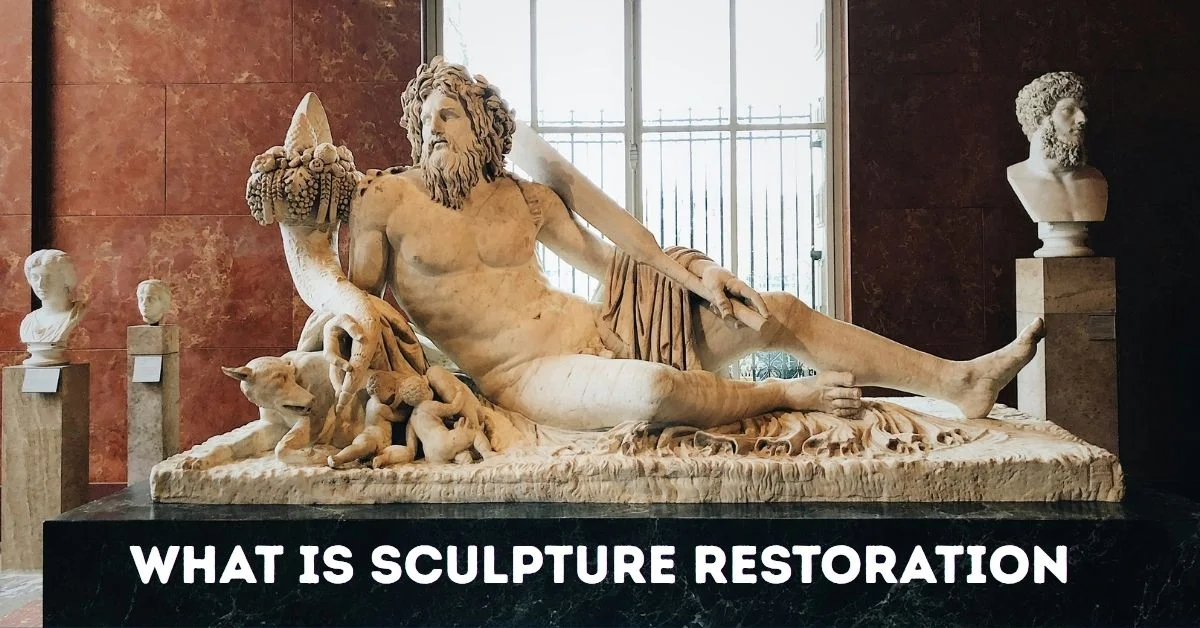
Have you ever looked at a cracked garden statue or a corroded bronze figure and wondered if anything could actually be done about it? Sculpture restoration is exactly that process. It is the work of repairing, stabilizing, and returning a damaged piece to a presentable and structurally sound condition. This guide covers what restoration really means, what it can and cannot fix, how the process unfolds, what different materials need, and how to make smart decisions before you spend a single dollar on a restorer.
Quick Answer
What is sculpture restoration ? Sculpture restoration is the process of cleaning, repairing, and stabilizing a damaged sculpture to bring it as close as possible to its original appearance and structural condition. It involves assessing the damage, treating the material carefully, and applying protective finishes while doing the least possible harm to the original piece.
What Sculpture Restoration Actually Means
At its simplest, restoration gives a damaged artwork a second life. When a sculpture cracks, corrodes, loses a piece, fades, or gets beaten up by years of weather exposure, restoration brings it back to something stable and visually whole.
A good way to picture it is taking a damaged old book to a skilled bookbinder. You are not getting a fresh printed copy. You are carefully repairing what is already there, replacing missing parts where possible, and making sure the whole thing holds together going forward.
The scope of work varies enormously. Sometimes it is just cleaning and resealing. Other times it is major structural rebuilding. What gets done depends on the material, the severity of the damage, and how much of the original piece is still intact.
Read also: Goonierne 2: What It Is and Everything You Need to Know
Restoration vs. Conservation: Two Different Things
These two words get confused all the time, and mixing them up can lead to wrong decisions and wasted money.
Conservation is focused on slowing down deterioration. A conservator looks at a sculpture and thinks about how to stop things from getting worse. They might apply a protective coating, adjust humidity in a storage space, or stabilize a crack without filling it at all. The goal is not to change how the piece looks but to protect what remains.
Restoration goes further. A restorer actively tries to bring the sculpture closer to its original appearance. That could mean reconstructing a missing section, repatinating a bronze surface, or filling a chip in marble so it blends with the surrounding stone.
Most professional work in practice mixes both. A good restorer conserves first and restores second, always putting the long-term health of the piece ahead of making it look pretty quickly.
Why This Distinction Matters Before You Decide Anything
If your sculpture has serious historical or monetary value, conservation alone might be the smarter call. Aggressive restoration on a valuable antique can actually lower its market value if it ends up looking over-cleaned or artificially altered. Knowing which path you actually need before you start making calls can save you from an expensive mistake.
What Restoration Can Fix and What It Cannot
This is what most people want to know first, and almost nobody gives a clear answer online.
Damage That Can Be Fully Restored
Surface corrosion and oxidation on metals like bronze or copper can be removed, and the original patina can be rebuilt or replicated convincingly. Minor cracks in stone or resin can be filled with matching materials and blended in. Broken sections like a snapped arm or chipped nose can often be reattached with structural adhesives and touched up afterward. Faded or peeling paint on wood or fiberglass can be stripped and redone. Biological growth like moss, algae, or lichen on outdoor stone is very treatable.
Damage That Can Only Be Stabilized
If a sculpture has been weakened from the inside, perhaps moisture has penetrated the stone or rust has been expanding inside a bronze casting, that internal damage cannot be undone. A restorer can stop it from getting worse and reinforce the structure, but the internal integrity is permanently affected. If original surface finishes have been lost and nobody documented what they looked like, a restorer can make a reasonable approximation but cannot truly replicate something that no longer exists.
Damage That Cannot Be Fixed
Completely missing sections with no reference documentation are essentially unrecoverable in any authentic sense. Whatever gets rebuilt is an informed guess, not the original. Severe fire damage that has changed the actual material composition of a piece, for example a marble sculpture that calcified differently under extreme heat, cannot be reversed. Deep chemical contamination in porous stone or wood, if left untreated for decades, can eat through the material to a point where structural restoration is simply not possible.
Anyone who tells you all damage is fixable is not being honest with you. A good restorer tells you upfront what they can and cannot do.
What a Realistic Restored Result Looks Like
People often expect the piece to come back looking brand new. That is rarely the goal, and sometimes it would actually be wrong to aim for that. A properly restored sculpture looks coherent and presentable. Repairs blend with the original material but are not completely invisible to a trained eye. Patina and visible aging may remain because stripping all of that away would harm the piece’s integrity and character.
If you are expecting something that looks straight out of the foundry, have that conversation with your restorer before any work begins.
Why Sculpture Restoration Matters
Preserving Cultural and Historical Value
Sculptures hold history in a way written records simply cannot. A bronze figure from the 1800s, a carved stone relief from a demolished building, or a wooden religious idol passed through multiple generations all carry cultural memory. Once that is lost to neglect or rough handling, it is gone for good. Restoration keeps those objects accessible for future generations.
Stopping Damage Before It Gets Worse
A small crack left alone lets water in. Water expands when it freezes, widens the crack season by season, and eventually splits the piece apart. What could have been a quick and affordable repair turns into major reconstruction. Acting early almost always costs far less than waiting.
Protecting the Financial Side
Sculptures, especially bronze, marble, or works by known artists, hold and sometimes grow in monetary value. A well-maintained and properly restored piece holds that value. One that has been badly damaged or carelessly repaired can lose a significant portion of its worth. Condition matters a great deal to collectors and auction specialists.
The 3 Core Principles Behind Every Proper Restoration
Minimal Intervention
A skilled restorer does only what is necessary. They do not strip more surface than required, they do not rebuild unnecessarily, and they do not impose their own aesthetic preferences on the piece. Every action taken should have a clear and justifiable reason. The less original material disturbed, the better.
Reversibility
Every treatment material used in a professional restoration should be removable in the future if better methods or materials become available. This is why specific adhesives, consolidants, and coatings are chosen carefully. Using an irreversible material or chemical is considered poor practice because it removes future options for anyone who works on the piece later.
Identifiability
Any restored or rebuilt section should be detectable under close examination, even if it looks seamless to a casual viewer. This is not about making repairs look ugly or obvious. It is about keeping the piece’s history honest. Professional ethics in conservation require that the boundary between original and restored material is always documentable.
How the Restoration Process Works, Step by Step
Step 1: Documentation and Historical Research
Before anything is touched, the restorer photographs the piece from every angle, writes detailed condition notes, and sometimes creates 3D scans. They also research the sculpture’s history, original materials, the artist’s techniques, and any previous restoration work done on it. All of this background shapes every decision that follows.
Step 2: Condition Assessment and Damage Mapping
The restorer examines the piece carefully, often with tools like UV light, X-ray imaging, or microscopy to see what is happening beneath the surface. Every crack, loss, stain, and weak area is mapped out. This step identifies what the sculpture actually needs versus what just looks like a problem but is not.
Step 3: Treatment Plan
Based on the assessment, the restorer puts together a detailed plan covering what will be done, in what order, and with which materials and methods. A reputable professional shares this with the client before any work starts and explains the reasoning clearly. If a restorer skips this step and goes straight to working, that is a problem.
Step 4: Cleaning
Cleaning removes surface deposits, biological growth, old coatings, and grime built up over years. The method depends entirely on the material. Stone might be cleaned with pH-neutral solutions and soft brushes. Bronze may need careful chemical treatment to remove active corrosion while leaving stable patina intact. Wood needs completely different chemistry. Incorrect cleaning is one of the most common ways amateur restorers cause permanent damage.
Step 5: Structural Repair
Cracks are consolidated and stabilized. Broken sections are reattached using adhesives selected for the specific material and the environment where the piece will live. Missing sections are filled or rebuilt using materials that match the original as closely as possible while staying reversible and identifiable.
Step 6: Surface Finishing and Protective Coating
Once structural work is finished, the restorer addresses surface appearance. This might involve repatinating metals, inpainting, reapplying wax or sealants, or toning fills to match surrounding material. A protective coating appropriate for where the sculpture will be kept, whether outdoors or inside, is usually applied at this stage.
Step 7: Final Documentation and Maintenance Plan
Everything done is written up and photographed after completion. The restorer should give the owner a maintenance guide explaining how to care for the piece going forward and how often it should be checked. This documentation also becomes part of the sculpture’s provenance record, which matters if the piece ever changes hands.
Restoration Techniques by Material
Bronze Sculpture Restoration
Bronze is one of the most frequently restored materials because it is widely used outdoors and takes a beating from the environment. The main problems are active bronze disease, which shows up as powdery bright green spots and is caused by chloride-based corrosion, along with general surface corrosion and physical damage from impacts or vandalism. Treatment involves carefully removing active corrosion, neutralizing the underlying chemical reaction, stabilizing the surface, and reapplying a period-appropriate patina where needed. A microcrystalline wax coating is typically applied at the end to protect the surface.
Marble and Stone Sculpture Restoration
Stone is porous and vulnerable to water, salts, acid rain, and biological growth. Cracks in marble can be filled with lime-based mortars or tinted epoxy compounds. Missing sections can be carved from matching stone or cast in suitable materials. Cleaning stone requires a careful approach because aggressive methods can lift the surface layer and permanently change the appearance. Consolidants are sometimes injected into unstable areas to strengthen the stone from within.
Wood Sculpture Restoration
Wood comes with its own set of challenges. It expands and contracts with humidity, it is vulnerable to insects, and old finishes can hide the original surface or react badly with modern treatment materials. Stabilization usually involves consolidating fragile wood with conservation-grade resins. Paint layers are analyzed carefully before any decision about stripping or retouching is made.
Fiberglass and Resin Sculpture Restoration
These materials are common in modern and contemporary work. Cracks and breaks in fiberglass can be repaired from behind with matching resin and fiberglass cloth, then refinished on the outer surface. Color matching on painted resin requires careful mixing and multiple layers. UV degradation, which causes yellowing and surface chalking, can be addressed with appropriate coatings after the surface is properly prepared.
Glass Sculpture Restoration
Glass is one of the most technically demanding materials to restore. Clean breaks can sometimes be bonded with optical-grade UV-curing adhesives that are nearly invisible. Surface chips and scratches can sometimes be polished out depending on their depth. Shattered glass with many small fragments missing, though, often cannot be made to look whole again without replacing entire sections, which at that point is reproduction rather than restoration.
How to Choose the Right Restoration Expert and What to Watch Out For
Credentials Worth Checking
Look for membership in professional bodies such as the American Institute for Conservation or equivalent organizations in your country. These memberships require practitioners to follow established ethical guidelines. Formal training in art conservation from an accredited program is a strong sign of serious professional background. Ask to see a portfolio of work on pieces similar to yours in material and type.
Questions to Ask Before You Commit
Ask what the treatment plan looks like before any work begins. Ask what materials will be used and whether they are reversible. Ask how the work will be documented. Ask what a realistic outcome looks like and what cannot be fixed. A genuinely skilled professional answers all of these without hesitation. Vague responses or impatience with your questions are a sign to keep looking.
Warning Signs of Bad Restoration Work
This is something almost no resource online covers, and it genuinely matters. Be cautious of any restorer who cannot name the specific products or materials they plan to use. Anyone promising to make the piece look brand new without any caveats should raise a flag. If someone starts working without producing a written condition report or treatment plan first, walk away.
Once work is done, poor quality shows up as visible brush strokes in fills that do not match surrounding texture, fills that crack or discolor within a year, or repaired sections that are obvious from a normal viewing distance. Also avoid anyone who recommends pressure washing stone sculpture or using standard household cleaning products on artwork, both of which cause serious and often irreversible harm.
A Rough Cost Guide: What Shapes the Price
Real numbers are hard to find on this topic, so here is an honest breakdown of what actually affects cost.
What Drives the Price Up or Down
The material is one of the biggest factors. Bronze restoration is generally more expensive than basic stone cleaning because it requires specialized chemical knowledge and patination skills. The extent and complexity of the damage matters even more. A small crack in marble is nothing like a shattered marble figure with ten missing pieces. Location plays a role too, since restorers in major cities typically charge more than those in smaller markets. Whether the sculpture needs to be transported to a studio or can be worked on in place also changes the cost significantly for large outdoor pieces.
Rough Price Ranges
For simple cleaning and surface sealing on a small to medium outdoor bronze, costs can start at a few hundred dollars at the low end and rise into several thousand for pieces with active bronze disease, missing sections, or full repatination. Marble crack repairs on a garden sculpture might begin around a few hundred dollars for minor work and climb quickly when structural rebuilding is involved. Fiberglass and resin work tends to be more affordable on the material side but can be labor-intensive when careful color matching is needed. Glass restoration for fine art pieces often sits at the high end of pricing because of the skill required, and many restorers decline to take on heavily damaged glass work at all.
Always get at least two or three written quotes before committing to anything.
When Restoration Is Not Worth the Cost
If restoration costs approach or exceed the monetary value of the sculpture, and the piece carries no strong sentimental or historical significance, sometimes the honest answer is to let it go. A restorer with integrity will say this to you directly. One who just wants the job probably will not.
What Most People Get Wrong About Sculpture Restoration
The most common mistake is waiting too long. Many people assume a professional can fix anything no matter how far the deterioration has gone. That is not true. Early-stage bronze corrosion that might cost a few hundred dollars to address properly can turn into a structural problem requiring thousands of dollars of work if left for five to ten more years. The same goes for cracks in stone. Moisture gets in, freeze-thaw cycles cause damage through every winter, and what started as a surface issue becomes structural.
The second common misconception is that restoration automatically increases monetary value. In the antique and fine art market, over-restoration or careless restoration can actually lower value. Many collectors prefer a piece with honest age and minor imperfections over one that looks artificially refreshed. Before investing heavily in restoring a financially valuable piece, it is worth consulting a specialist appraiser first.
Preventive Care: Avoiding the Need for Restoration in the First Place
For Outdoor Sculptures
Wax outdoor bronze pieces once or twice a year with a good microcrystalline wax. Rinse stone sculptures with clean water periodically to clear off bird droppings and atmospheric buildup before they cause staining. Check that drainage around the base is working properly so water is not pooling and soaking upward into porous stone. Do a visual inspection once a year for early signs of cracking or biological growth and deal with them before they become bigger problems.
For Indoor Sculptures
Keep indoor pieces away from direct sunlight and away from air conditioning or heating vents. Both cause temperature and humidity fluctuations that stress materials over time. Dust with soft brushes rather than cloths to avoid micro-abrasion on surfaces. Avoid keeping sculptures in high-humidity spaces like bathrooms unless the piece was specifically designed for that kind of environment.
Conclusion
Sculpture restoration is skilled, careful work. It is not about making something look perfect. It is about understanding the material, respecting what is original, and being realistic about what can and cannot be achieved. If you have a damaged piece, get a professional assessment early, ask clear questions, and go in knowing what a reasonable result actually looks like. A sculpture that comes out stable, presentable, and true to its own history is a good outcome. That is really what the work is for.
FAQs
How long does sculpture restoration take?
It depends on the size, material, and level of damage. A simple cleaning and surface treatment on a small piece can take a few days. Complex work involving structural rebuilding, repatination, and detailed surface finishing on a large piece can take several weeks or longer. Always ask for a realistic timeline before work begins.
Can I restore a sculpture myself?
For very minor issues like surface dust or light biological growth on a low-value piece, careful cleaning with gentle, appropriate methods is manageable at home. For anything structural, chemical, or involving significant surface treatment, professional help is the right call. Amateur restoration attempts are one of the leading causes of irreversible damage to sculptures.
Will it look brand new after restoration?
A properly restored sculpture will look presentable and coherent, not necessarily brand new. The goal is to stabilize and visually unify the piece while respecting its age and material history. If you want something that looks factory-fresh, that is a different conversation entirely and not what traditional restoration is designed to achieve.
How do I know if my sculpture is worth restoring?
Think about three things: its historical or cultural significance, your personal attachment to it, and its monetary value compared to the restoration cost. If even one of those three is high, restoration is probably worth exploring. If all three are low, the investment may not make sense. A good restorer will talk through this with you honestly during an initial assessment.
Does restoration affect a sculpture’s value?
It can go either way. A careful, well-documented restoration by a qualified professional can support or maintain value. An aggressive, poorly executed, or visually obvious restoration can reduce value significantly in the eyes of collectors and auction specialists. The documentation itself becomes part of the provenance record, and serious buyers pay close attention to it.

Let’s be honest, most of us have been there. You just want to watch a good movie in Spanish Latino, you don’t feel like paying for another subscription, and you end up on some sketchy site that opens five pop-up windows before you can even see the title. It’s frustrating. I spent way too much time clicking through broken links and fake download buttons before I figured out how this whole thing actually works. So if you’ve been searching for bajarpelisgratis and landing on sites that confuse more than they help, you’re in the right place. This guide covers everything from which platforms are actually safe, to how to navigate the messy ones without getting your device infected.
What “Bajarpelisgratis” Actually Means and Why Everyone Is Searching It
Quick Answer: Bajarpelisgratis basically means downloading or watching movies for free, usually through websites or apps that offer content without a paywall. Some of those sites are completely legal and run on ad revenue. Others sit in a legal gray area. Knowing which is which saves you time, stress, and potential headaches down the road.
The term started out as the name of a specific website, but over time it became something much bigger. Today when someone types bajarpelisgratis into Google, they are not looking for a brand. They want a working solution where they can watch or download a Spanish Latino movie without spending money on a subscription.
The reason this search is so popular is pretty straightforward. Streaming platforms like Netflix, Disney Plus, and HBO Max charge monthly fees that not everyone can afford, especially across many Latin American countries where those costs feel significant. So people look for free alternatives, and there are plenty of them out there, though not all of them are created equal.
What most users actually want is a list of sites that work, that don’t bounce them around with endless redirects, and where they can finally just sit down and watch something. That’s the real goal behind this search, and that’s exactly what this guide focuses on.
Read also: Đeman: Meaning, Origin, and Cultural Significance Explained
What Nobody Tells You Before You Enter These Sites
Here’s the thing, this is the section where almost every other article completely drops the ball. They hand you a list of sites and that’s it. Nobody actually prepares you for what you’re about to walk into.
Why Free Sites Are Packed With Dangerous Ads and Pop-Ups
Unofficial free movie sites make their money through advertising, but not the kind of advertising you see on YouTube. Many of them work with very low-quality ad networks that push aggressive banners, pop-up windows that open on their own, and buttons designed to look exactly like the download or play button while actually taking you to a completely different site loaded with even more ads.
This isn’t a glitch or a mistake on the site’s part. It’s the entire business model. Every single click you make generates revenue for the site, even if that click sends you somewhere you never wanted to go. That’s why knowing how to move around before you start clicking is genuinely important.
How to Tell a Safe Site Apart From One That Installs Malware
A reasonably safe site usually loads without immediately redirecting you to another page, and the video player is clearly visible near the center of the screen. Pop-ups that fire the moment you land on the page are a warning sign. If a second browser tab opens by itself the second you arrive, close it immediately and do not click anything inside that tab.
Dangerous sites often ask you to “update your video player” or download some program before the movie will play. That is never necessary. Any legitimate streaming site plays the video right inside your browser without requiring you to install anything at all. Also check the address bar. A site without HTTPS is worth avoiding immediately, and even one with HTTPS isn’t automatically safe, but at least it clears one basic bar.
The Three-Click Method for Navigating Free Sites Without Getting Your Device Infected
Here’s a practical habit that works really well once you get used to it. Before clicking any button on a free movie site, hover your cursor over it first. On most desktop browsers, the bottom left corner of the screen will show you the URL that button actually points to.
If that URL belongs to the same domain as the site you’re on, you’re probably clicking the right thing. If it points to a completely different domain, it’s an ad disguised as a button.
The three-click method goes like this: first, find the actual video player on the page, which is usually centered and looks like a video frame. Second, find the play button specifically inside that player, not floating above the page or sitting below the movie description. Third, click play only inside that player. If a new tab opens when you do that, close it and return to the original tab. A real video never needs you to navigate away to a different page just to start playing.
Legal Sources vs. Unofficial Sites: The Real Difference
Platforms That Are 100% Legal and Completely Free
You might be wondering if there are any legit free options at all. There absolutely are, and most people don’t even know about them.
YouTube has a dedicated section for free movies supported by ads. You can find hundreds of titles in Spanish Latino there, including Latin American cinema classics and dubbed international action films. Just search the movie title followed by “pelicula completa” directly on YouTube and you’ll often find it sitting there legally.
Pluto TV is a free platform with live channels and on-demand movies. It has a solid selection in Spanish and doesn’t require you to create an account to watch. It runs directly from any browser, no app needed.
Tubi is probably the most complete free catalog you’ll find anywhere. It has thousands of movies and series, many of them available in Spanish Latino. You do need a free account, but it never asks for payment information.
Rakuten TV also offers some free titles with ads in its free content section, worth checking if the others don’t have what you need.
These platforms are genuinely the best starting point if you want to watch movies without worrying about malicious ads or broken links.
Unofficial Sites and the Risks Nobody Talks About
Unofficial sites are the ones that dominate search results when you look up bajarpelisgratis. Some of them have been around for years and carry huge catalogs. The issue isn’t always the site itself, it’s the advertising ecosystem surrounding it.
Real risks include ads that silently install unwanted extensions in your browser, redirects to gambling sites or inappropriate content, and in worse cases, actual malware buried in files if you try to download the video directly to your device.
Installing uBlock Origin as a browser extension cuts down these risks considerably. It won’t protect you from everything, but it makes the whole experience far more manageable and way less chaotic.
Is It Actually Illegal to Download Free Movies in Latin America?
The honest answer is that it varies by country, but generally speaking, streaming a movie from an unofficial site sits in a legal gray area across most of Latin America. Downloading and saving the file locally is more legally problematic, though in practice there are almost never any consequences for individual users.
What is completely legal is using platforms like YouTube, Tubi, or Pluto TV because those services already hold the rights to the content, and you’re simply a user of a legitimate service.
The Best Sites for Watching or Downloading Free Movies in Spanish Latino
Quick Comparison by Speed, Catalog Size, and Safety
Before jumping into any site, it helps to know what you’re walking into. Free streaming sites generally offer a better experience than direct download sites because you’re not forced to click through a chain of external links just to get the file.
For online streaming, the most stable sites tend to be the ones using well-known embedded players like Fembed, Streamtape, or Doodstream. When you see those names in the player interface, it usually means the video is going to actually load and play smoothly.
For downloading the full file, the process is messier because it almost always involves passing through several ad pages before reaching the real download link.
Sites for Watching Online Without Downloading
Free streaming sites work best on desktop browsers with uBlock Origin installed. On mobile, the experience gets more unpredictable because pop-ups are much harder to control on a touchscreen.
Something worth knowing is that many well-known domains in this space change their URLs regularly because internet providers block them in certain countries. If a site you used before suddenly won’t load, search the site’s name followed by “nueva direccion 2026” in Google and you’ll usually find the current working address.
Sites for Downloading and Watching Offline
If you want to download the actual file and watch it later without an internet connection, the safest option is to look for sites that host their files on services like Mediafire or Google Drive. Because the file lives on a known platform rather than some anonymous server, the risk is significantly lower.
Never download files with an .exe extension or any compressed archive that claims to contain the movie inside. A movie file should always be a video format like .mp4, .mkv, or .avi. If what downloads is anything else, don’t open it.
Step-by-Step: How to Download a Free Movie Without Making Costly Mistakes
Step 1: Pick the Right Site Based on Your Device
On a desktop computer you have the most control. You can install ad-blocking extensions and the browser handles pop-ups much better overall. On Android, the Brave browser comes with a built-in ad blocker that makes these sites significantly more bearable with zero setup required. On iPhone, using Safari with a content blocker enabled through your device’s Settings works reasonably well, though the experience isn’t perfect.
Step 2: How to Avoid Fake Download Buttons
This is genuinely where most people go wrong. A single movie page on these sites can have four or five buttons that all look like they’ll start the download or play the video, but only one of them actually will. The real one is always inside the video player frame itself, never floating above the page and never sitting below the movie’s description text.
If clicking something opens a new browser tab instead of starting the video, that was an ad. Close the new tab and look more carefully at the original page for the actual player.
Step 3: Downloading on Android vs. iPhone
On Android, once you find and click the real download link, your browser will ask if you want to save the file. Confirm it and the movie will land in your Downloads folder, ready to open with any video player app like VLC.
On iPhone the situation is more complicated because iOS doesn’t handle direct video file downloads from browsers the same way Android does. The most practical workaround is using an app called Documents by Readdle, which has its own built-in browser and lets you save video files directly to your device without any extra hassle.
Step 4: What to Do When the Video Won’t Load or the Link Is Broken
Start by refreshing the page. If the player still refuses to load, check whether the site offers alternative servers, which usually appear as buttons labeled something like “Server 1” or “Server 2” near the player. Switch to the next one and try again.
If none of the servers work, the file was probably removed from the hosting service. Don’t waste time waiting for it to come back. Just search for the same movie on a different site and move on.
What You Can Actually Find on These Sites
The Most Common Genres Available for Free
Action, comedy, horror, and drama are by far the most available genres on free Spanish Latino movie sites. Animation is also fairly well represented, though the dubbed Latino versions aren’t always the highest quality.
What you’ll have a much harder time finding are niche documentaries and art house or independent films. That kind of content rarely makes it onto these platforms.
Are Recent Releases Available or Just Old Movies?
Some sites upload new releases very fast, sometimes within days of a movie leaving theaters. But here’s the catch: those early versions are usually recorded inside a cinema with background noise, shaky camera angles, and subtitles that don’t sync properly with the audio.
Good quality versions with clean 1080p video, proper audio, and correct Latino dubbing typically show up three to six months after the theatrical release, once the movie becomes available on digital or physical platforms.
Spanish Latino vs. Spanish From Spain: Why It Matters
This is something a lot of people overlook until they’re already watching and something sounds off. Many dubbed movies available on free sites use the Spain Spanish dub, which has a noticeably different accent and vocabulary from Latin American Spanish.
If you specifically want the Latino dub, search for terms like “audio latino,” “español latino,” or “castellano latino” in the site’s search bar when looking for a title. It makes a real difference in how comfortable the viewing experience feels.
What Most People Get Wrong on These Sites
The most common mistake is clicking the first big button that appears on the screen. Those oversized buttons are almost always ads that are specifically designed to look like the play button. The real play button tends to be smaller, sits inside the actual video player, and sometimes takes a few seconds to appear while the player finishes loading.
Another frequent mistake is downloading so-called “video players” or “Flash updates” that the site claims you need to watch the movie. No legitimate site requires this in 2026. Every video on the internet today plays directly in your browser with zero additional software.
The third mistake people make is searching for the movie using a wrong or translated title. If the movie isn’t showing up, try searching for its original English title inside the site’s search bar, because some catalogs are indexed that way even when the audio track is in Spanish.
Conclusion
Look, bajarpelisgratis doesn’t have to be the chaotic experience most people assume it is. The trick is knowing where to start and understanding the landscape before you dive in. If you want the easiest, safest option with zero stress, open Tubi or YouTube right now and search for what you want. Chances are it’s already there waiting for you, completely free and completely legal.
If you can’t find it there and you need to venture into unofficial territory, go in prepared. Use Brave or uBlock Origin, never click the first big button you see, and only download actual video file formats. Follow those simple habits and you’ll have a much better time than most people ever do on these sites happy watching.
FAQs
Is it safe to use bajarpelisgratis-style sites?
It really depends on which site you use and how careful you are. Legal platforms like Tubi and YouTube carry zero risk. Unofficial sites have real risks from malicious ads, but those risks drop significantly when you use a good ad blocker and avoid downloading any non-video file formats.
Can I do this from my phone without issues?
Yes, but it’s more awkward than on a desktop. On Android, the Brave browser makes things much smoother with its built-in ad blocker. On iPhone, downloading video files directly requires an app like Documents by Readdle since iOS handles these downloads differently than Android.
Why do some free sites ask me to register?
Some sites require a free account to access their content. On platforms like Tubi, registration is perfectly legitimate and never asks for payment details. On unofficial sites, handing over your email address is risky because that information can easily end up used for spam or worse, so it’s usually smarter to look for an alternative.
What should I do if a site is blocked in my country?
Internet providers in some countries actively block these sites. A free VPN like Proton VPN lets you connect through a different location and access them without problems. You can also search for mirror sites, which are identical copies of the original site running on a different URL.
Is there an official app for free Spanish movies?
Yes, and this is the option I’d always recommend starting with. Tubi has a fully free and legal official app available on both Android and iOS. Pluto TV has one too. Both are completely free, both have solid Spanish Latino content, and neither of them will throw malware at you.

So you were looking for a football stream, typed something into Google, and ended up seeing the name lovekoora pop up more than once. You are not alone. A lot of football fans land on this platform without really knowing what it is, whether it actually works, or whether using it will get them into trouble. I spent more time than I should have figuring this out, so let me just walk you through it clearly. By the end of this, you will know exactly what lovekoora is, how people use it, what the real risks are, and whether there are smarter options out there.
What Is Lovekoora?
Lovekoora is a free online football streaming platform that pulls together links to live matches from major leagues around the world. It is not a traditional sports channel or a subscription service. It works by collecting third-party stream links and pointing users toward them without charging anything.
The name itself combines “love” and “koora,” where koora is the Arabic word for ball or football. So it basically means “love of football,” which tells you right away who the site is built for.
What Kind of Content Does It Provide?
The platform focuses mainly on live football. You can find links to Premier League games, La Liga, Serie A, Champions League, and other popular competitions depending on the day.
Here is the thing though: it does not actually host streams on its own servers. It collects and displays links from other sources. Think of it as a football stream index. When you click a match, it usually opens an embedded player or sends you to a third-party site where the stream is actually running.
Some versions of the site also show basic match schedules and scores alongside the stream links. But stream quality and availability can swing a lot from one match to the next.
Read more: Goonierne 2: What It Is and Everything You Need to Know
How Lovekoora Works
The idea is pretty simple. You go to the site, find the match you want, and click a link. The site pulls in multiple stream sources for each game so that if one link stops working, you have others to try.
How Users Access Live Football Matches
Most people use lovekoora through a regular web browser on their phone or laptop. There is no official app on Google Play or the Apple App Store. If someone tells you there is an official app, be careful with that claim.
The site tends to update throughout the day as match times get closer. Stream links are often added right before kickoff, so visiting too early might leave you with nothing to click yet.
Typical Interface and Navigation
The interface is pretty bare. You get a list of upcoming or live matches, and clicking one opens a page with stream options. Some versions let you filter by league or date. It is not a sleek experience by any stretch, but for someone who just needs a stream fast, it does the job.
What catches a lot of new users off guard is the ads. The moment you land on the page or click any link, pop-ups can trigger. Some of these open new browser tabs on their own. Worth knowing before your first visit.
Devices You Can Use
You can use lovekoora on any device with a browser. Android phones, iPhones, Windows laptops, Macs, all of these work since the site is browser-based and needs no installation.
On mobile, the experience tends to be clunkier. Ads are more aggressive on phones, and some players are not sized well for small screens. A laptop usually gives you a smoother time.
Key Features of Lovekoora
Live Match Streaming
The main reason people show up is live football, and lovekoora does deliver links to a wide range of matches. Major European leagues are usually covered, and international fixtures pop up too. What is actually available depends on which third-party sources are feeding links in on that particular day.
Match Schedules and Updates
Some versions of the site show upcoming fixtures so you can plan ahead. That said, do not expect detailed previews or lineup information. It is a stream link aggregator at its core, not a sports news site.
Free Access and Its Limitations
Everything here is free. No account, no payment details, no subscription needed. That is the main pull, especially for users in regions where official streaming costs a lot or simply is not available.
The trade-off is reliability. Streams cut out, links go dead, and quality can slide from decent HD down to barely watchable. A smooth 90-minute experience is never guaranteed.
How to Use Lovekoora (Step-by-Step)
Finding Live Matches
Open the site in your browser and check the match listings on the homepage. Games are usually sorted by time or league. If your match is live or about to kick off, it should be somewhere near the top.
Choosing a Working Stream
Each match usually has more than one stream option. Click one and see what happens. If it does not load or the quality is bad, go back and try a different one. This trial-and-error thing is just the reality of free streaming sites.
Avoiding Broken or Fake Links
Some links look fine but send you somewhere completely unrelated or push you to install something. If a link asks you to download software or complete a survey before the stream starts, close that tab immediately. A real stream link opens a video player, full stop.
One of the best moves you can make before visiting is installing an ad blocker. It cuts down on the pop-up chaos and makes the whole experience much more manageable.
Is Lovekoora Safe and Legal?
Let’s be honest, this is the section most sites just skip. But it matters.
Legal Concerns with Free Streaming Sites
Lovekoora sits in a legal grey area. It does not hold broadcast rights for the matches it links to. The stream sources it points to are almost certainly unauthorized, which means watching through these platforms could technically violate copyright laws depending on where you are.
In many countries, streaming copyrighted content without permission is illegal even for the viewer. Enforcement against individuals is rare, but it does happen occasionally. Some governments have started pushing internet providers to block free streaming sites entirely, which explains why these platforms often swap domain names or disappear for stretches of time.
Risks Like Pop-Up Ads and Malware
For most users, the bigger everyday concern is not a legal letter but your device’s security. Sites like lovekoora depend on advertising networks that are not always clean. Some of those ads redirect to phishing pages, fake software downloads, or pages quietly trying to drop trackers onto your device.
If you visit without any ad blocker or antivirus running, the risk builds up over time.
Tips to Stay Safer While Browsing
Install uBlock Origin or a similar browser-based ad blocker before you go anywhere near the site. Use a browser with solid built-in pop-up blocking. Never click anything asking you to install a plugin or extension. Keep your browser and operating system updated so you have the latest security patches in place. If a page looks off, just close it without touching anything.
A VPN is something a lot of free streaming users run as well. It adds some privacy and can help get around regional blocks. Just know that a VPN does not make the streams legal, and it will not protect you from malware hiding in ads.
Common Problems Users Face
Buffering and Low-Quality Streams
This is the complaint you hear most. The streams live on third-party servers with unpredictable loads, so buffering tends to spike right when something big happens in a match. Dropping the video quality manually can sometimes help, though not always.
Too Many Ads and Redirects
The ad situation on free streaming sites is genuinely annoying. You are dealing with pop-ups, tabs that open on their own, and full-screen overlays that land right when you want to watch something. An ad blocker handles most of this, which is why anyone who uses these sites regularly never skips that step.
Links Not Working
Stream links die all the time. Rights holders and service providers are constantly working to pull down unauthorized streams, so a link that worked fine last week might be dead today. Having a couple of different link options open in separate tabs for the same match is a practical way to handle this.
Best Alternatives to Lovekoora
Official Streaming Platforms
You might be wondering if there is just a better way to do this. If you watch football regularly and want something consistent, official platforms are genuinely worth it. Depending on your region, options include DAZN, ESPN+, Peacock, Paramount+, and Amazon Prime Video. These give you HD or 4K quality, no pop-ups, and streams that actually stay up.
Some leagues run their own platforms too. The Premier League and LaLiga TV both have direct streaming options, and the pricing is usually reasonable for the amount of football you get.
Safer Free Alternatives
A few platforms offer free and legal football content, though coverage is thinner. Pluto TV carries some sports programming. Certain broadcasters stream select matches for free on their apps or websites, particularly international fixtures. YouTube occasionally runs live matches through official league or broadcaster channels.
Comparison: Lovekoora vs Legal Services
If you care about reliability and not landing on a sketchy page, legal services are clearly better. Consistent quality, no malware risk, no dead links. The trade-off is the subscription cost.
Lovekoora makes sense if you just want to catch the odd match and are comfortable navigating the ad situation. It is not something that replaces a proper streaming service for anyone who watches football seriously.
Who Should Use Lovekoora?
Suitable Users
If you watch football casually and do not want to lock into a monthly subscription, lovekoora can be useful. It also serves people in regions where legal options are expensive or simply not available. Go in with realistic expectations, use an ad blocker, and you can get through it without too much trouble.
When to Avoid It
Do not use it on a work device or anything connected to a corporate network. The ad behavior alone can trigger security warnings. If you are not comfortable adjusting browser settings or installing protection tools, the chance of running into something harmful goes up. And honestly, if you are a regular football watcher, the broken links and constant ads will probably push you toward a paid option sooner or later anyway.
What Most People Get Wrong About Lovekoora
The biggest mistake people make is thinking lovekoora is an actual streaming platform with its own setup. It is not. It is a link directory. The streams are hosted somewhere else entirely, which means lovekoora has zero control over quality, uptime, or what those embedded players do with ads.
People also figure that free means harmless. Setting aside the legal question, the security exposure from unvented ad networks is real. Browsing without any protection is genuinely risky, not just a minor annoyance.
And then there is the consistency expectation. Free streaming aggregators change constantly. Domains get blocked, URLs shift, link sources flip. Expecting it to behave like a reliable service every time is where the frustration comes from. If you treat it as a backup option rather than a primary one, the whole experience becomes a lot less aggravating.
Conclusion
Look, lovekoora is not a villain. It fills a real gap for football fans who cannot or do not want to pay for a subscription just to catch a match. For casual use, with an ad blocker running and low expectations on stream quality, it can work fine.
But be straight with yourself about what it is. It is a link directory, not a platform. The streams are unreliable, the ads are a hassle, and the legal and security risks are real even if they are easy to forget in the moment. If football is a regular part of your week, a proper streaming service will treat you better.
Go in with your eyes open, protect your device, and do not let the free part make you forget that there are always trade-offs somewhere.
FAQs
Is Lovekoora free to use?
Yes, no payment or registration is needed to access the site. It stays free by running ads, which is why the pop-up volume can feel overwhelming during your visit.
Do I need to sign up to watch matches?
No account needed at all. You can browse match links and start watching without creating any profile. That ease of access is a big part of why casual viewers keep coming back to it.
Why does Lovekoora show so many ads?
Since the site does not charge users anything, advertising is how it generates revenue. Many of those ads come from low-quality networks, which is why they tend to be aggressive and sometimes suspicious-looking.
Can I watch matches on mobile?
Yes, it works in any mobile browser. The experience is rougher on phones than on a desktop though, and ads behave more intrusively on smaller screens. A mobile browser with a built-in blocker makes a real difference.
Is there a better legal option?
Definitely, depending on where you are. Platforms like DAZN, ESPN+, and Peacock cover the major leagues with solid, reliable streams. Some broadcasters also put select matches online for free. If you watch often, going paid will save you a lot of headaches.

If you have heard the word “đeman” and wondered what it really means, you are not alone. This word carries a layered meaning that is deeply rooted in Balkan culture and language, and many people struggle to find a simple, clear explanation. In this article, you will learn exactly what đeman means, where it comes from, how people use it in real life, and why it still matters in modern conversations. No complicated theory, just a straightforward breakdown that actually makes sense.
What Does “Đeman” Mean?
Simple Definition in Plain Language
Đeman is a word used in Bosnian, Serbian, and other South Slavic languages to describe a person who is lively, spirited, full of energy, and emotionally expressive. It refers to someone who lives with intensity, who brings warmth and passion into the room, and who is not afraid to show their feelings. Think of it as describing someone with a strong inner fire.
In the simplest terms, if someone calls you đeman, they are saying you are a spirited, emotionally alive, and vibrant person.
Read also: Goonierne 2: What It Is and Everything You Need to Know
The Core Idea Behind the Word
The heart of the word is energy and expressiveness. It does not just mean someone is loud or dramatic. It means someone carries a kind of emotional richness with them. A đeman person feels things deeply, reacts authentically, and tends to leave an impression on the people around them.
This is not just about personality. It is about how someone moves through life, how they connect with others, and how much of themselves they bring to every moment.
Snippet answer: Đeman describes a person who is emotionally expressive, lively, and full of inner spirit. It is commonly used in Balkan cultures to compliment someone whose energy and personality are naturally strong and authentic. It suggests warmth, passion, and a vivid way of living and feeling.
The Origin of the Word “Đeman”
Linguistic Roots and Balkan Influence
The word đeman has its roots in the rich linguistic history of the Balkans, a region that has absorbed influences from Ottoman Turkish, Persian, Arabic, and various South Slavic dialects over hundreds of years.
Many words in Bosnian and Serbian that describe human emotions or personality traits carry Ottoman Turkish or Persian origins, and đeman follows this pattern. The word is believed to be connected to expressive and spirited qualities that were valued in the cultural traditions of the region.
The Balkan linguistic tradition is known for creating vivid, emotionally loaded words that capture human qualities in ways that simple adjectives cannot. Đeman is one of those words.
Possible Historical Connections
During the Ottoman period, which lasted several centuries in the Balkans, many words related to character, temperament, and emotion entered the South Slavic vocabulary. These words became deeply embedded in everyday speech and storytelling.
Đeman survived not because it was formally adopted into textbooks, but because it described something real and recognizable. People kept using it because it captured a specific kind of human energy that other words did not quite reach.
Cultural Significance of “Đeman”
Why the Word Matters in Society
In Balkan culture, personal character and emotional expressiveness are highly valued. Being warm, spirited, and present in your relationships is seen as a genuine virtue. Đeman fits directly into this cultural value system.
When someone is called đeman, it is usually an acknowledgment that they carry life with them. They are not passive or closed off. They are engaged, emotionally present, and genuine in how they experience and share themselves with others.
This word also reflects a cultural appreciation for authenticity. In many communities, especially in Bosnia and surrounding regions, a person who is đeman is seen as trustworthy in their emotions. They do not hide who they are.
Values and Traits It Represents
Calling someone đeman implies several things at once. It suggests they are passionate, full of life, socially warm, and emotionally open. It also carries a hint of spontaneity and intensity. These are not weaknesses in the Balkan cultural context. They are qualities that make someone memorable and deeply human.
Many people who grew up in these communities describe đeman as one of those words you just feel when you hear it. It is not abstract. You know a đeman person when you meet one.
How “Đeman” Is Used in Daily Life
As a Compliment or Description
In everyday conversation, đeman is most commonly used as a compliment. If someone introduces a friend and says “on je pravi đeman” (he is a real đeman), they are saying that person is vibrant, fun to be around, and full of genuine feeling.
It can also be used descriptively without being purely positive or negative. Someone might say a gathering had a đeman atmosphere, meaning the energy in the room was alive and intense.
Common Situations Where It Is Used
You will hear đeman used most often when people are talking about someone’s character or energy at a social event, in storytelling, or when describing memorable encounters. It fits naturally into casual speech and is rarely used in formal or professional settings.
It is also common in older folk songs, oral storytelling traditions, and literature from the region, where characters are described using emotionally rich terms like this one.
Example Sentences
“She walked into the room and everyone noticed. She has always been đeman like that.”
“His storytelling is so đeman, he pulls you in from the first word.”
“There is something đeman about the way he laughs, so open and real.”
“Đeman” as a Personality Trait
Characteristics of a “Đeman” Person
A person described as đeman tends to share a few consistent qualities. They are emotionally present and genuine. They do not suppress their feelings or pretend to be indifferent. They tend to be charismatic not in a performative way, but in a natural, magnetic way.
They also tend to be socially warm and generous with their attention. When a đeman person is with you, you feel like you have their full presence.
Social and Emotional Meaning
There is also an emotional depth implied in the word. Someone who is đeman is not just outwardly expressive. They feel things genuinely and deeply. This is why the word is often used in contexts of affection and admiration, not just casual description.
Snippet answer: A đeman person is someone who is emotionally genuine, naturally charismatic, and full of life. They bring strong energy to social situations, feel things deeply, and connect with people in an authentic way. The word captures both inner emotional richness and outward expressiveness.
What Most People Get Wrong About “Đeman”
Many people who first encounter this word assume it simply means someone who is loud or overly dramatic. That is a common misreading.
Đeman is not about being performative or over the top. It is about being genuinely alive in your emotions and presence. There is a big difference between someone who puts on a show and someone who simply carries real energy with them.
The word also does not imply recklessness or instability. A đeman person can be calm and composed. What sets them apart is that their inner life is vivid and their presence is felt.
My Experience With Đeman
The first time I really understood this word was listening to an older man describe his late friend using it. He did not say his friend was funny or kind or smart, though he was all of those things. He said he was đeman, and everyone in the room nodded like that said everything.
That moment made it clear to me that this word is not just a description. It is a recognition. It acknowledges something in a person that ordinary words do not quite reach. It says their spirit was visible and real.
Modern Interpretation of “Đeman”
Usage in Today’s Conversations
In modern Bosnian and Serbian speech, đeman is still used, though perhaps less frequently by younger generations who lean toward newer slang. However, it has not disappeared. It shows up in conversations where people want to describe someone in a way that feels meaningful rather than surface level.
People use it when they want to pay a genuine compliment to someone’s character, especially older speakers who grew up with the word as part of their natural vocabulary.
Influence of Social Media and Digital Culture
Interestingly, words like đeman are experiencing a small revival in digital spaces where people explore regional identity, heritage, and language. You will find it used in social media posts celebrating Balkan culture, in comments about music and film characters, and in nostalgic content about traditional values.
This revival shows that even in fast-changing digital culture, words that carry emotional depth tend to survive because they fill a gap that newer vocabulary does not.
“Đeman” in Literature and Symbolism
Metaphorical Meaning
In literary and poetic contexts, đeman often takes on a metaphorical weight. It can describe not just a person but a landscape, a piece of music, or a moment in time that carries an intense, living energy.
Writers from the region have used the word to evoke the spirit of a place or era. When a Balkan writer calls a mountain village đeman, they are saying the place itself has soul and life.
Use in Stories and Expressions
In oral storytelling traditions, which remain important in Balkan culture, đeman is a word used to introduce characters whose emotional presence drives the story forward. These are not passive characters. They are the ones who act from feeling, who respond to life with full engagement.
This usage reinforces the idea that đeman is fundamentally about aliveness, the quality of being fully present and emotionally engaged in your own story.
Why Understanding “Đeman” Matters Today
Cultural Identity and Expression
Words like đeman are carriers of cultural identity. When a language has specific words for specific kinds of human energy, it tells you something important about what that culture values.
The Balkan tradition values emotional authenticity, warmth, and the kind of presence that leaves a mark on others. Đeman is one of the clearest examples of that value system encoded in language.
Relevance in Modern Language
As global communication increases and languages borrow heavily from English and other dominant languages, regional words with deep cultural meaning face pressure to disappear.
Understanding and using words like đeman is a small act of cultural preservation. It keeps alive a way of seeing and describing human beings that is rich, specific, and genuinely useful.
Snippet answer: Understanding đeman matters because it reflects a cultural worldview that values emotional authenticity and spirited living. In a world where language is becoming more uniform, words like this preserve a specific human experience that generic adjectives like lively or passionate do not fully capture.
Conclusion
Đeman is one of those words that carries more meaning than its short length suggests. At its core, it describes a person who is emotionally alive, genuinely spirited, and naturally present in the way they experience and share life with others. It is not slang, not just a compliment, and not a complicated concept once you see it clearly. It is a word built to describe a specific human quality that people in the Balkan tradition have always recognized and valued. If someone calls you đeman, take it well. It means your spirit is visible, and that is not a small thing.
FAQs
Is “đeman” a real word or slang?
Đeman is a real word with historical and cultural roots in the Balkan region, particularly in Bosnian and Serbian language traditions. It is not modern slang, though it may feel informal in casual use. It has been part of spoken and literary language for a long time.
Which language does it come from?
Đeman is most commonly associated with Bosnian and Serbian, two of the South Slavic languages spoken in the Western Balkans. Its deeper roots likely trace back to Ottoman Turkish or Persian influences that shaped the vocabulary of the region over centuries.
Can it describe a person?
Yes, đeman is most commonly used to describe a person. It refers to someone who is emotionally expressive, lively, and full of genuine spirit. It is used to highlight character and inner energy rather than just outward behavior.
Is it positive or negative?
Đeman is almost always used in a positive or neutral way. When someone is called đeman, it is typically a compliment or an admiring observation. It implies that the person is vivid, genuine, and worth knowing. In rare cases it could imply someone is overly intense, but this is not the primary meaning.
How do you pronounce “đeman”?
Đeman is pronounced roughly as “JEH-man” in English phonetics. The letter đ in South Slavic alphabets represents a sound similar to the English “j” in “jump.” The stress falls on the first syllable.
-

 Quotes1 week ago
Jim Elliot He Is No Fool Quote Meaning & Story
-

 Quotes2 months ago
Commitment to Excellence: Meaning and Examples
-

 Quotes2 months ago
Horsemanship Quotes for Riders and Horse Lovers
-

 Tech1 week ago
Newscod Explained: Features, Benefits, and Worth
-

 Tech1 week ago
Fkstrcghtc: A Complete Guide
-

 Tech1 week ago
Miflow Explained: Software, Studio, and More
-

 Health & Fitness1 week ago
Cryotherapy Cost: What to Expect in 2026
-
 Tech1 week ago
Mywaperu: A Complete Guide for New Users