Health & Fitness
Cryotherapy Cost: What to Expect in 2026

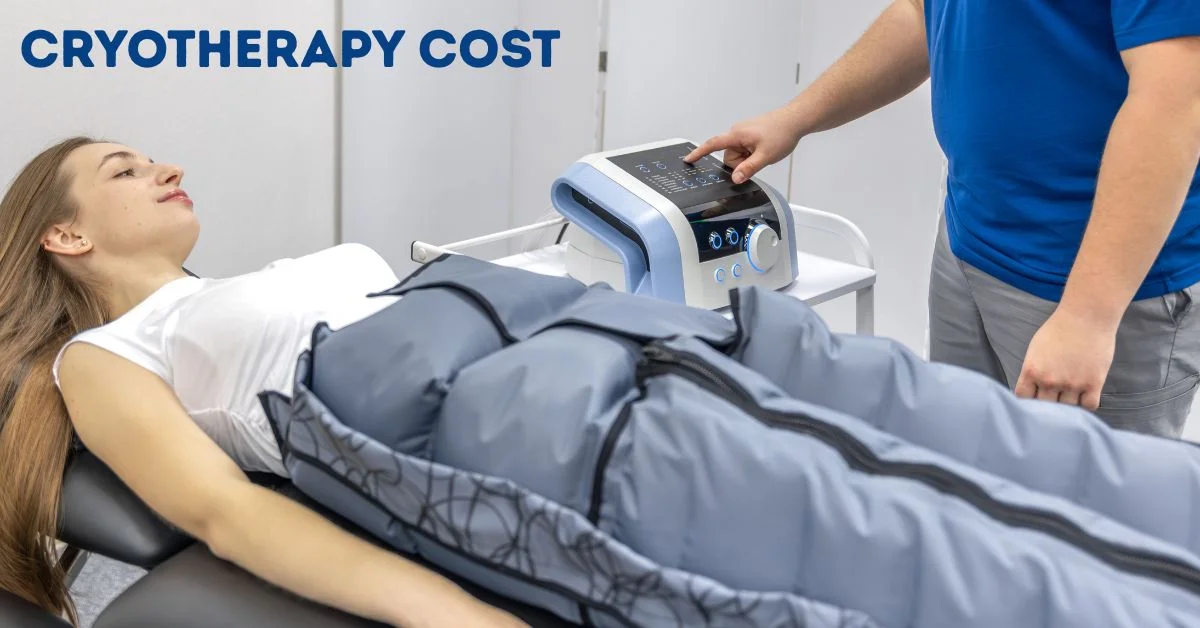
Cryotherapy is a cold-based treatment where the body, or a specific area, is exposed to extremely low temperatures for a short period. It is used for muscle recovery, pain relief, skin treatments, and general wellness. The cost, however, confuses a lot of people because prices vary widely depending on the type of treatment, the clinic, and where you live.
Some people pay as little as $25 per session while others spend over $100 for the same type of treatment. This guide breaks down exactly what cryotherapy costs in 2026, what affects the price, where you might save money, and whether it is actually worth spending on.
How Much Does Cryotherapy Actually Cost in 2026?
The price of cryotherapy depends heavily on the type you choose and where you get it done. There is no single flat rate, but there are reliable ranges most clinics fall into.
Average Price Per Session
For whole-body cryotherapy, most people pay between $60 and $100 per session in the United States. A single session typically lasts two to four minutes. In the UK, prices are similar, usually between 50 and 90 pounds. In parts of Europe and Asia, you can find sessions for less, sometimes between $30 and $60.
Localized cryotherapy, which targets a specific area like a knee or shoulder, tends to cost slightly less per session, usually between $35 and $75.
Quick Price Overview
Whole-body cryotherapy: $60 to $100 per session Localized cryotherapy: $35 to $75 per session Medical cryotherapy (skin treatments): $100 to $600+ depending on the procedure Home cryotherapy devices: $200 to $4,000+ depending on type and quality Membership plans: $200 to $400 per month for unlimited or frequent sessions
Cryotherapy Cost Broken Down by Type
Not all cryotherapy is the same. The type you need plays a big role in what you will pay.
Whole-Body Cryotherapy
This is the version most people associate with cryotherapy. You step into a cryotherapy chamber, which drops to between negative 200 and negative 300 degrees Fahrenheit, for two to four minutes. It is popular among athletes, people with chronic pain, and those using it for general recovery.
A single session at a wellness clinic in a major US city typically runs $80 to $100. Smaller towns and less competitive markets tend to charge $60 to $75. A person training for a marathon and going once or twice a week could spend $300 to $500 monthly on sessions alone without any package deal.
Localized Cryotherapy
This treatment applies intense cold directly to a targeted body part. It is commonly used for joint pain, sports injuries, inflammation, or muscle tightness. Because the treatment area is smaller and the session is shorter, the cost is usually lower.
Expect to pay $35 to $75 per session. Many clinics bundle localized treatments with whole-body sessions in package deals, which can bring the per-session price down.
Medical Cryotherapy for Skin and Warts
Medical cryotherapy, often using liquid nitrogen, is a clinical procedure performed by a doctor or dermatologist. It is used to remove warts, skin tags, precancerous cells, and certain lesions. This is a different category from wellness cryotherapy.
A single wart removal session can cost $100 to $300. Treating a larger area or multiple spots can push costs to $600 or more. If done under a specialist for medical reasons, insurance may partially cover it, which is covered later in this article.
What Makes Cryotherapy More or Less Expensive
The same treatment can cost very different amounts depending on several factors. Knowing these helps you avoid overpaying.
Location and Clinic Reputation
Clinics in major cities like New York, Los Angeles, or London charge more than those in smaller towns simply because of higher overhead. A well-known clinic with celebrity endorsements or sports partnerships also charges a premium. Moving to a clinic two suburbs over could save you $20 to $30 per session with no real difference in quality.
Session Length and Frequency
Some clinics charge by the minute, often $1 per minute for whole-body sessions. A three-minute session costs $30 and a four-minute one costs $40. This per-minute model is common in European clinics and some US gyms that have added cryo chambers. If a clinic is not transparent about this, ask directly.
Equipment Quality
Cryotherapy chambers using electric cooling systems (cryosaunas) are generally less expensive to run and are priced lower. Liquid nitrogen-based chambers, which provide deeper cold, cost more to operate and are priced higher. From a results standpoint, the differences for general wellness use are modest, but athletes often prefer nitrogen-based systems.
Packages, Memberships, and How to Save Money
Paying per session is the most expensive way to use cryotherapy regularly. Most clinics offer ways to reduce that cost significantly.
Monthly Plans vs Single Sessions
Monthly memberships typically offer 8 to 12 sessions per month for a flat rate. A plan with 10 sessions might cost $250 to $350, bringing the per-session price down to $25 to $35. If you plan to go regularly, this can cut your cost by 50 percent or more.
Bulk Session Discounts
Buying sessions in packs of 5 or 10 upfront is another common option. A pack of 10 might be priced at $500 to $700 instead of $800 to $1,000 at the individual rate. This works well if you have a specific goal, like recovering from an injury over six to eight weeks.
Introductory Offers
Many clinics offer a first session for free or at a steep discount, sometimes $20 to $30 for a session that normally costs $80. These are worth using to test a clinic before committing to a package. One practical tip: do not sign up for a membership on your first visit. Try two or three individual sessions first to evaluate the equipment, staff, and results.
Home Cryotherapy: Is Buying Your Own Machine Worth It?
Some people consider buying a home device to avoid ongoing clinic costs. The range of what is available varies dramatically.
Price Range for Home Devices
Entry-level localized cryotherapy devices, like cold therapy wraps or small handheld units, cost between $200 and $800. These are useful for targeted pain relief but are not the same as a professional whole-body chamber.
Whole-body cryotherapy chambers for home use cost between $25,000 and $60,000. These are practical for professional athletes, clinics, or gyms, but not realistic for most individuals.
A middle-ground option is a cold plunge tub, which costs $1,000 to $5,000 for a quality model. It does not reach the temperatures of a cryo chamber but provides meaningful cold therapy benefits.
Home vs Clinic: Honest Comparison
For general recovery and wellness, a cold plunge at home offers decent results at a fraction of the ongoing clinic cost. For injury treatment, post-surgery recovery, or maximum performance recovery, a professional chamber with trained staff is more effective and safer. A home device pays off only if you use it consistently over many months.
Is Cryotherapy Worth the Money?
This is the question most people really want answered before spending.
What the Research Actually Shows
Cryotherapy has solid evidence behind it for reducing delayed onset muscle soreness (DOMS), decreasing inflammation, and improving short-term recovery in athletes. The evidence for long-term pain management, weight loss, or mood improvement is more limited and mixed.
For an athlete training hard five or six days a week, regular cryotherapy can mean faster recovery and more training volume over time. That is a real and measurable value. For someone going once a month to feel refreshed, the results are harder to justify at $80 a session.
Who Gets the Most Value
Athletes in intensive training, people managing chronic joint pain, and those recovering from soft tissue injuries tend to see the clearest benefits. People using it purely for wellness or occasional recovery may find ice baths or cold showers deliver similar results at no cost.
Realistic Expectations
Cryotherapy is not a cure for anything. It is a recovery and management tool. Most professionals recommend at least 10 sessions to evaluate its effect on your specific condition. Do not expect dramatic results from one or two sessions.
Cryotherapy vs Other Cold Therapy Options
Before committing to cryotherapy costs, it is worth knowing what the alternatives look like.
Ice Baths
A basic ice bath at home costs almost nothing beyond the ice. Research comparing ice baths to whole-body cryotherapy shows similar short-term recovery benefits for most people. The main advantage of cryotherapy is speed (three minutes vs 10 to 20 minutes in an ice bath) and the ability to reach colder temperatures. For most non-professional athletes, ice baths are a highly effective and free alternative.
Physical Therapy
A physical therapy session costs $75 to $200 depending on location and insurance. It provides hands-on treatment, corrective exercises, and a structured recovery plan. For injury recovery, physical therapy typically delivers better long-term outcomes than cryotherapy alone. The two can work well together.
Infrared Saunas and Contrast Therapy
Infrared sauna sessions cost $40 to $80. Contrast therapy, which alternates between hot and cold, is increasingly offered at wellness centers. Many people find contrast therapy provides similar recovery benefits to cryotherapy at comparable or lower cost.
Hidden Costs and Mistakes to Avoid
There are a few ways people end up spending more than they need to on cryotherapy.
Extra Fees
Some clinics charge for clothing rental (compression shorts or gloves), lockers, or consultations separately. Always ask for an all-in price before booking. Add-on services like red light therapy or normatec compression sessions get bundled into packages and can inflate the total cost significantly.
Overbooking Sessions You Do Not Need
Once a week is sufficient for most recovery and wellness goals. Some salespeople at clinics push daily sessions, which is not necessary for the average person and adds up quickly. More is not always better with cryotherapy.
Choosing Cheap but Unqualified Clinics
A very low price can signal poorly maintained equipment or undertrained staff. Whole-body cryotherapy carries real risks if the chamber malfunctions or if staff do not screen clients properly. Always check that the clinic has qualified operators and that the equipment is certified and regularly serviced.
Insurance and Payment Options
When Insurance Might Help
Standard wellness cryotherapy is almost never covered by insurance. However, medical cryotherapy performed by a licensed dermatologist or doctor for warts, precancerous skin cells, or certain cervical treatments may be partially or fully covered depending on your plan. Always call your insurance provider before the procedure to confirm.
Financing and Payment Plans
Some clinics offer financing through third-party services. HSA (Health Savings Account) or FSA (Flexible Spending Account) funds can sometimes be used for cryotherapy if prescribed by a doctor for a medical condition. This is worth asking your provider about, as it could make treatments significantly more affordable.
Safety, Side Effects, and Who Should Not Use It
Common Side Effects
Temporary skin redness, tingling, or numbness after a session are normal and typically resolve within minutes. Some people experience brief dizziness or lightheadedness, especially after whole-body sessions.
Who Should Avoid Cryotherapy
People with Raynaud’s disease, severe hypertension, heart conditions, cold urticaria, or peripheral artery disease should avoid whole-body cryotherapy. Pregnant women and anyone with open wounds or active infections in the treatment area should also not use it. A reputable clinic will ask about your medical history before your first session.
Conclusion
Cryotherapy costs range from $35 to over $100 per session depending on the type, location, and clinic. For regular users, memberships and packages bring costs down considerably. Whether it is worth the price depends entirely on your goals. Athletes and people managing chronic pain tend to get clear value from it. Casual users may find equally good results from free or low-cost alternatives like ice baths.
If you decide to try it, start with an introductory session, ask about all fees upfront, and only commit to a package once you have seen how your body responds. Use it as one tool in a broader recovery or wellness plan, not as a standalone solution.
FAQs
Why is cryotherapy so expensive?
The cost reflects the equipment (cryo chambers are expensive to buy and maintain), the specialized staff required, and the clinical setting. Liquid nitrogen also has ongoing supply costs. Clinics in high-rent areas pass those overheads on to clients.
How many sessions do I actually need?
For athletic recovery, one to three sessions per week during heavy training phases is typical. For general wellness, one session per week is common. Most practitioners suggest a minimum of 10 sessions to properly assess whether cryotherapy is working for your specific needs.
Is cheaper cryotherapy safe?
Not always. Very low prices sometimes reflect poor equipment maintenance or unqualified staff. Check reviews, ask about equipment certifications, and make sure the clinic screens clients before sessions. A $40 session is fine if the clinic is legitimate. A $40 session at an uncertified facility is a risk not worth taking.
Can I do cryotherapy at home effectively?
Localized cold therapy at home using ice packs, cold water immersion, or affordable cold therapy wraps can be effective for muscle soreness and minor injuries. Whole-body home chambers are cost-prohibitive for most people. Cold plunge tubs are the best practical middle ground for home cold therapy.
Does cryotherapy help with weight loss?
Some claims suggest that whole-body cryotherapy boosts metabolism. The evidence for meaningful weight loss from cryotherapy alone is weak. It may support a weight management plan as part of a broader routine, but it should not be the primary strategy for weight loss.

Qullnowisfap is a term that has been circulating online with very little explanation of what it actually means. Some sites connect it to skincare routines, others treat it as a wellness or cleansing concept, and a few present it as a trending product name. The confusion is real, and that is exactly why this article exists.
If you have come across this word and felt lost, you are not alone. In this guide, you will get a clear breakdown of what Qullnowisfap is, whether it is a real product or just a viral keyword, what people claim it does, and whether any of it holds up. No fluff, no guessing, just a straightforward look at the facts.
Quick Answer: What Exactly Is Qullnowisfap?
Simple Definition
Qullnowisfap does not appear in any verified medical, scientific, or established skincare database. Based on current search patterns and the content built around it, it functions as a coined or invented keyword, one that has been attached to skincare and wellness content online without a clear origin, brand, or product backing it up.
In simple terms: Qullnowisfap is not a recognized ingredient, established brand, or proven skincare method. It is a term that has spread online, often used as a hook for content about cleansing routines, skin health, or wellness habits.
Is It a Real Product, Concept, or Just a Viral Term?
At this point, the most honest answer is that it sits somewhere between a viral keyword and a loosely defined concept. There is no official company, no registered brand name, and no peer-reviewed research behind the word. Some content creators have used it as a framework for skincare storytelling, but the term itself has no grounded definition.
Think of it like this: if you searched for a specific supplement brand and found ten different websites with ten different explanations, none linking to an actual product page or verified source, that would be a red flag. Qullnowisfap follows that pattern closely.
Read also: Cryotherapy Cost: What to Expect in 2026
Why Is Qullnowisfap Showing Up Online?
Social Media and Search Trends
Invented or vague keywords often spread because of curiosity. When someone stumbles on an unfamiliar word that sounds technical or exclusive, they search for it. That search activity signals to content creators and SEO writers that there is an audience, even if the term itself is meaningless.
Platforms like TikTok and Instagram have accelerated this cycle. A short video using a unique or strange-sounding word can generate thousands of searches within hours, creating an entire content ecosystem around something that started as nothing.
Possible Reasons for Sudden Popularity
Several things can cause a made-up or niche term to trend. These include:
Curiosity-driven clicks from people seeing the word in comment sections or video captions. Content farms building articles around low-competition keywords to attract traffic. Marketing experiments where brands test keyword reactions before launching actual products. Meme culture, where intentionally absurd or confusing terms get shared ironically.
Qullnowisfap likely fits into one or more of these categories. The word structure is unusual enough to attract attention but vague enough to be attached to almost any topic.
Viral Keyword or Actual Marketing Tactic?
In digital marketing, this is known as keyword farming. A term gets planted online, articles get written around it, and search traffic builds before anyone realizes the term has no real-world meaning. It is not illegal, but it can mislead people into thinking they are missing out on a trend or product that does not actually exist.
A real-world comparison: remember when “clean girl aesthetic” spread across social media? It was a vague term, but it pointed to real products and real habits. Qullnowisfap, so far, does not point to anything verifiable.
Is Qullnowisfap Real or Fake? An Honest Look
Signs It May Be a Spam or Viral Keyword
Several signals suggest this is not a legitimate product or concept:
No official website or brand exists under this name. No ingredient database lists it as a recognized compound. No dermatologist, scientist, or verified expert has cited it. Every article about it reads differently, with no consistent definition. Search results mostly point to content farms and low-authority sites.
These are classic signs of a keyword that was created for traffic, not education.
How to Verify Any Trend Before You Trust It
A useful habit for anyone navigating skincare or wellness trends is to run a simple check before spending money or changing a routine. Look for the term on the FDA website, EWG’s Skin Deep database, or PubMed. If it does not appear in any of those places, treat it with caution.
You can also check whether the brands promoting it have a physical address, customer reviews on third-party platforms, and transparent ingredient lists. Legitimate skincare brands pass these checks easily.
Risks of Following Unknown Trends
Applying unknown products to your skin carries real risk. Skin reactions, allergic responses, and long-term irritation can result from using ingredients that have not been tested properly. Beyond physical risk, there is also financial risk: people spend money on trending products that deliver no results and sometimes cause harm.
A woman in an online skincare forum once shared that she spent over sixty dollars on a product trending under a vague hashtag, only to realize later the “hero ingredient” was just a rebranded form of glycerin, something available for under five dollars at any pharmacy. That is the real cost of chasing unverified trends.
What People Claim About Qullnowisfap in Skincare
Claimed Uses in Skincare Routines
Despite the lack of evidence, a significant amount of content connects Qullnowisfap to skincare routines. The claims generally include deep cleansing, skin brightening, removal of environmental pollutants, and improved skin texture over time.
Some articles also link it to a broader “cleansing philosophy,” suggesting it is less about a product and more about an approach to skin health. That framing is interesting, but it also makes it impossible to evaluate because there is nothing concrete to assess.
Product Types Associated With the Term
Online content has loosely associated Qullnowisfap with:
Facial cleansers and foaming washes. Exfoliating serums and toners. Hair cleansing treatments. Detox masks and clay-based products.
These are all real skincare categories. The problem is that attaching a made-up term to them does not make the term itself real or meaningful.
Common Ingredients If You Follow the Skincare Angle
If you are interested in what these types of products typically contain, legitimate cleansing and brightening products often use niacinamide for tone evening, salicylic acid for pore clearing, hyaluronic acid for hydration, and vitamin C for brightness. These are proven, well-researched ingredients worth knowing about.
How to Build a Good Cleansing Routine Without Following Unverified Trends
Basic Beginner Routine
Keep it simple. A good starting point for any skin type includes a gentle cleanser, a moisturizer with SPF for daytime, and a basic hydrating serum for nighttime. That covers the essentials without requiring any trending or unverified products.
Morning Routine
Start with a gentle water-based cleanser, apply a vitamin C serum if brightening is a goal, follow with a lightweight moisturizer, and finish with SPF 30 or higher. This takes under five minutes and is backed by dermatology research.
Night Routine
Cleanse to remove the day’s buildup, apply a retinol or peptide serum if your skin tolerates it, and seal with a richer moisturizer or barrier cream. Consistency here matters more than product names.
Weekly Care Steps
Once or twice a week, use a chemical exfoliant like an AHA or BHA product to clear dead skin cells. This improves texture and product absorption more effectively than most trend-based routines.
Claimed Benefits Versus What the Science Actually Supports
What Promoters Claim
Those writing about Qullnowisfap often list benefits like radiant skin, reduced inflammation, emotional detox, better sleep, and improved mental clarity. The mix of physical and emotional claims is a common pattern in wellness marketing.
What Actually Makes Sense
Proper skin cleansing and a consistent routine genuinely do improve skin health. That part is accurate. But emotional and mental benefits attributed to a keyword or unnamed product are not supported by science. A good skincare routine can improve confidence, and that has real psychological value, but the mechanism is the routine itself, not a specific trend.
What to Be Skeptical About
Be cautious any time a single term promises both physical and emotional transformation. That kind of broad claim is a marketing strategy, not a scientific position. Effective skincare is specific: it targets particular concerns with particular ingredients at appropriate concentrations.
Common Mistakes to Avoid When Exploring Trends Like This
Following Trends Without Research
The fastest way to damage your skin or waste money is to apply a product simply because it is trending. Before adding anything new to your routine, check the ingredient list, look for patch test recommendations, and consult a dermatologist if you have sensitive skin.
Using Products With No Verified Background
If a product has no listed ingredients, no brand history, no third-party reviews, and no regulatory registration, do not put it on your face. This applies to anything marketed under vague or invented names.
Overcomplicating Your Routine
Many people harm their skin barrier by layering too many products, especially when experimenting with trends. A streamlined routine with three to five proven products will outperform a ten-step routine built around unverified claims nearly every time.
Qullnowisfap vs Traditional Skincare
Key Differences
Traditional skincare is built on decades of dermatology research, clinical trials, and regulated ingredient standards. A keyword like Qullnowisfap has none of that foundation. The difference is not about being conservative versus modern. It is about whether the approach is testable and verifiable.
Which Approach Is Safer and Better Proven
Evidence-based skincare wins every time. Brands like CeraVe, La Roche-Posay, The Ordinary, and Paula’s Choice have published research, transparent ingredient sourcing, and verifiable results. These are reliable starting points for anyone serious about skin health.
What Skin Experts Would Say
Most licensed dermatologists and estheticians advise sticking to ingredients with published efficacy data. They consistently caution against following trends built around vague terminology, especially when those trends attach emotional or lifestyle-based claims to topical products.
Who Should Engage With This Trend (and Who Should Step Back)
People Who Might Explore the Concept Safely
If you are a skincare enthusiast who enjoys researching trends and you approach Qullnowisfap as a conversation starter rather than a product recommendation, there is little harm in reading about it critically. Curious, informed readers who verify before they buy are not at risk.
Skin Types That Should Be Extra Careful
Anyone with reactive, sensitive, or condition-prone skin (eczema, rosacea, acne) should be especially cautious about trying products linked to unverified trends. Introducing unknown variables into a sensitive skin routine can trigger flare-ups that take weeks to resolve.
Safety Considerations
Always patch test. Always read ingredient labels. Always check whether a product is registered with a relevant regulatory authority in your country before using it.
Conclusion
The honest takeaway is this: Qullnowisfap is almost certainly a keyword without a clear, legitimate product or scientific concept behind it. That does not mean the skincare habits people associate with it are useless. Cleansing, moisturizing, and consistent routines are genuinely valuable. But you do not need a trending term to build good skincare habits.
Stick with ingredients that have research behind them. Support brands that are transparent about what they put in their products. And when something sounds interesting but undefined, take a few minutes to verify it before investing time or money.
Good skincare is not about following every trend. It is about understanding your skin and making informed choices. That never goes out of style.
FAQs
Is Qullnowisfap safe to use?
There is no verified product under this name to evaluate for safety. If a product claims to be “Qullnowisfap,” check its ingredient list against a trusted database like EWG Skin Deep before use. Safety depends entirely on what is actually in the product, not what it is called.
Is it a real brand?
No registered brand by this name has been identified through standard business or trademark searches. It does not appear in major skincare directories or regulatory databases as of current research.
Does it actually work?
Without a defined product, ingredient, or method attached to the name, there is nothing measurable to evaluate. Skincare works when specific proven ingredients are used correctly. A name alone does not produce results.
Why is it trending?
Most likely because the term triggers curiosity, which drives searches, which encourages content creators to write about it. This cycle is common with coined or vague keywords in the wellness and skincare space.
Should I buy products labeled as Qullnowisfap?
Exercise caution. Verify the brand, read the ingredient list, check for third-party reviews, and consult a skin professional if unsure. Do not buy based on the name alone.
-

 Quotes3 days ago
Jim Elliot He Is No Fool Quote Meaning & Story
-

 Quotes4 weeks ago
Commitment to Excellence: Meaning and Examples
-

 Quotes4 weeks ago
Horsemanship Quotes for Riders and Horse Lovers
-

 Tech2 weeks ago
Mywaperu: A Complete Guide for New Users
-

 Tech6 days ago
Fkstrcghtc: A Complete Guide
-

 Tech2 weeks ago
Scamiikely Explained: Is It a Scam or Legit?
-

 Tech4 days ago
Xaicotum Explained: Scam, Concept, or Something Else?
-

 Tech5 days ago
MyReadingManga Explained: What You Need to Know