
Quotes
Commitment to Excellence: Meaning and Examples


Commitment to excellence means choosing to do things well, even when “good enough” would be easier. It is not about being perfect or flawless. Instead, it is about caring deeply about quality, growth, and the long-term impact of your work. In everyday life and in the workplace, a true commitment to excellence shows up in small actions keeping promises, improving skills, paying attention to details, and always looking for better ways to serve others.
Many people admire excellence, but fewer understand how it actually works. It is not a personality trait that only a few people are born with. In reality, excellence is a habit that develops through discipline, consistency, self-awareness, and continuous learning. Whether you are leading a company, managing a team, building a career, or simply trying to improve yourself, commitment to excellence can shape the results you achieve over time.
Read also: Horsemanship Quotes for Riders and Horse Lovers
What Commitment to Excellence Really Means
At its core, commitment to excellence is the decision to hold yourself to high standards while continuously improving your work and behavior. It means doing your best with care, purpose, and integrity. It also means refusing to settle for careless work, weak effort, or repeated excuses.
This mindset includes several important qualities:
- High standards: You care about producing work that is accurate, thoughtful, and valuable.
- Consistency: You perform well even when motivation is low because you rely on strong habits.
- Attention to detail: Small details matter because they affect quality and trust.
- Continuous improvement: You regularly ask, “How can I do this better next time?”
- Responsibility: You take ownership of outcomes rather than blaming circumstances or others.
People with a strong commitment to excellence focus less on praise and more on improvement. They understand that excellence is rarely one big achievement. Instead, it is built through consistent effort over time.
Why Commitment to Excellence Matters
Excellence matters because quality builds trust. When people know you take your work seriously, they feel confident relying on you. Over time, that trust leads to stronger relationships, better opportunities, customer loyalty, and long-term success.
In personal life, striving for excellence builds self-respect and confidence. In professional life, it improves performance, leadership ability, and credibility.
Some of the biggest benefits include:
1. It Improves Performance
People who care about quality prepare better, avoid careless mistakes, and learn faster from feedback.
2. It Builds a Strong Reputation
Consistently delivering quality work helps you stand out in competitive environments.
3. It Supports Personal Growth
The pursuit of excellence pushes you to develop new skills and expand your abilities.
4. It Increases Customer Satisfaction
In business, dedication to quality and service leads to better customer experiences and long-term loyalty.
5. It Strengthens Leadership
Leaders who demonstrate excellence inspire teams to adopt higher performance standards.
What Does Excellence Look Like in the Workplace?
Excellence in the workplace goes beyond simply working hard. It involves professionalism, reliability, and a commitment to delivering meaningful value.
A worker committed to excellence may:
- meet deadlines without sacrificing quality
- communicate clearly and respectfully
- solve problems instead of waiting passively
- stay organized and prepared
- accept feedback without defensiveness
- improve processes and results
- support team accountability
- treat clients and coworkers with respect
Managers and leaders also demonstrate excellence by setting clear expectations, coaching employees effectively, and building a culture focused on improvement and accountability.
Commitment to Excellence in Business
In business, commitment to excellence is about creating systems that consistently produce high-quality results. Successful companies focus on both internal performance standards and the customer experience.
This often includes:
- strong hiring and employee development
- clear company values and performance standards
- regular evaluation of results
- active listening to customer feedback
- quick resolution of mistakes
- continuous improvement and innovation
Businesses that prioritize excellence understand that reputation grows slowly but can be lost quickly. By focusing on quality, customer satisfaction, and reliable systems, organizations can build long-term success.
How Do You Demonstrate Commitment to Excellence?
Demonstrating commitment to excellence requires visible habits and consistent actions.
Set High but Realistic Standards
Understand what quality looks like in your role and aim to meet those standards consistently.
Follow Through Consistently
Reliability builds trust. People should be able to depend on your work every time.
Pay Attention to Details
Small improvements and careful reviews often make a large difference in the final result.
Seek Feedback
Feedback helps you identify areas for improvement and grow professionally.
Keep Learning
Continuous learning strengthens skills and supports long-term development.
Take Ownership
Accept responsibility for results and correct mistakes quickly.
Go Beyond the Minimum
Excellence often means contributing thoughtful ideas and improvements rather than doing only the minimum required.
A Simple Framework for Building Commitment to Excellence
Building excellence requires structure. The following framework helps individuals and teams maintain sustainable high performance.
Step 1: Define What Excellence Means for Your Role
Ask yourself:
- What does great work look like here?
- What standards matter most?
- What outcomes should I aim for?
Step 2: Choose Non-Negotiable Habits
For example:
- review work before submission
- prepare in advance
- respond on time
- track weekly progress
- ask improvement questions after projects
Step 3: Measure What Matters
Track indicators such as quality scores, customer feedback, skill development, or project results.
Step 4: Reflect and Improve
After major tasks, evaluate what worked well and what could be improved.
Step 5: Protect Your Energy
Sustainable excellence requires balance. Rest, recovery, and healthy work habits prevent burnout.
Commitment to Excellence vs. Perfectionism
Many people confuse excellence with perfectionism, but they are very different.
Commitment to excellence focuses on quality, learning, and progress.
Perfectionism often focuses on fear, unrealistic standards, and avoiding mistakes.
Key differences include:
- Excellence values progress.
- Perfectionism fears failure.
- Excellence encourages growth.
- Perfectionism often creates stress and delay.
For long-term success, aim for excellence while allowing room for learning and improvement.
Real-World Examples of Commitment to Excellence
Example 1: A Teacher
A teacher committed to excellence prepares lessons carefully, adapts to student needs, and continuously improves teaching methods.
Example 2: A Healthcare Worker
Healthcare professionals demonstrate excellence through precision, empathy, safety practices, and continuous learning.
Example 3: A Customer Service Team
Excellent service teams respond quickly, communicate clearly, and resolve problems respectfully.
Example 4: A Business Leader
Leaders who value excellence create systems, training programs, and accountability standards that help teams succeed.
Example 5: A Student
Students demonstrate excellence by staying organized, studying consistently, and improving weak areas over time.
Excellence in Different Industries
Commitment to excellence appears differently across industries.
Technology
Focus on innovation, security, reliable systems, and user experience.
Healthcare
Emphasis on safety, compassion, teamwork, and accuracy.
Education
Clear teaching, fairness, preparation, and student development.
Hospitality
Service quality, guest satisfaction, and quick problem solving.
Manufacturing
Consistency, safety, process efficiency, and quality control.
Despite these differences, the core principle remains the same: perform meaningful work with discipline, care, and continuous improvement.
How Commitment to Excellence Leads to Success
Success rarely comes from occasional effort. Instead, it develops through consistent habits and dedication to quality.
Commitment to excellence leads to:
- improved long-term results
- stronger professional reputation
- greater resilience during setbacks
- steady career growth
- higher confidence based on real achievements
When individuals focus on discipline and continuous improvement, success becomes a natural outcome.
How to Measure Workplace Excellence
Excellence becomes more effective when it is measurable.
Organizations may track:
- customer satisfaction scores
- customer retention
- quality assurance metrics
- employee engagement
- project completion rates
- error reduction
- innovation results
Individuals may track:
- personal productivity habits
- feedback from peers or managers
- skill improvement
- consistency in performance
Measurement helps ensure that commitment to excellence produces real outcomes.
Common Obstacles to Excellence
Many people struggle to maintain excellence because of common challenges.
Lack of Clarity
Without clear standards, it is difficult to know what excellence looks like.
Inconsistency
Irregular effort slows progress and weakens results.
Fear of Failure
Avoiding mistakes can prevent people from trying new ideas.
Burnout
Overworking without recovery lowers quality and creativity.
Low Accountability
Without reflection or feedback, weak habits continue.
Recognizing these obstacles helps individuals build stronger systems for improvement.
Quotes About Commitment to Excellence
- “Excellence is not a singular act, but a habit.”
• “The quality of a person’s life is in direct proportion to their commitment to excellence.”
• “Strive for excellence, not perfection.”
• “We are what we repeatedly do.”
• “Excellence grows through discipline and consistency.”
These motivational quotes highlight an important idea: excellence comes from repeated effort and dedication.
A Practical Checklist for Developing Excellence
To strengthen your commitment to excellence, consider these steps:
- define what quality means in your role
- build habits that support strong performance
- review work carefully before submission
- request feedback regularly
- correct mistakes quickly
- track progress and performance metrics
- improve one area each week
- protect your mental and physical energy
- focus on steady improvement instead of perfection
What Does Striving for Excellence Mean?
Striving for excellence means continuously improving your work, mindset, and results. It is a long-term approach to personal development and professional growth.
People who strive for excellence focus on learning, adapting, and building stronger habits over time. They understand that improvement happens step by step rather than instantly.
Conclusion
A true commitment to excellence is one of the most powerful habits anyone can develop. It shapes how we work, how we learn, and how we contribute to others. When individuals and organizations focus on high standards, consistent effort, and continuous improvement, they naturally create better results and stronger relationships. Excellence is not about perfection or constant pressure it is about doing meaningful work with care and integrity every day. Over time, this mindset builds trust, reputation, and long-term success. By choosing discipline, learning from mistakes, and maintaining a growth mindset, anyone can develop a lasting commitment to excellence.
FAQs
What does commitment to excellence mean?
It means consistently aiming for high standards, quality work, and continuous improvement in everything you do.
How do you demonstrate commitment to excellence?
You demonstrate it by maintaining strong work habits, paying attention to detail, learning from feedback, and consistently delivering reliable results.
What is excellence in the workplace?
Workplace excellence refers to producing high-quality work with professionalism, accountability, and dedication to improvement.
How does commitment to excellence lead to success?
Consistent effort and quality work build trust, improve performance, and create long-term opportunities for personal and professional growth.
What is performance excellence?
Performance excellence means achieving high levels of productivity, quality, and efficiency through disciplined systems and continuous improvement.
What does excellence look like in everyday life?
In daily life, excellence appears through responsible actions, learning new skills, honoring commitments, and striving to improve personal habits and goals.

The Jim Elliot he is no fool quote has inspired Christians for decades because it expresses a powerful truth about sacrifice, faith, and eternal perspective. The full line most often quoted is:
- “He is no fool who gives what he cannot keep to gain that which he cannot lose.”
This statement captures the essence of what it means to live with an eternal mindset. Jim Elliot, a devoted missionary, wrote these words in his journal while he was still a young man, long before he became widely known. After his tragic death in Ecuador during missionary service, the quote became synonymous with courage, faith, and radical discipleship.
Historians have also pointed out that a similar idea appears in the writings of Philip Henry, the father of Bible commentator Matthew Henry. While Jim Elliot did not originate the thought, his life and legacy gave it extraordinary meaning, demonstrating through action what he had penned in words. The quote continues to encourage believers to reflect on the eternal value of their choices, inspiring countless individuals to live boldly for Christ.
Read also: Commitment to Excellence: Meaning and Examples
The Full Jim Elliot “He Is No Fool” Quote
The line most commonly attributed to Jim Elliot is:
- “He is no fool who gives what he cannot keep to gain that which he cannot lose.”
Sometimes, the quote is shortened slightly:
- “He is no fool who gives what he cannot keep to gain what he cannot lose.”
Both versions carry the same essential message: earthly possessions, status, and even life itself are temporary, while spiritual investments, salvation, and eternal rewards last forever. This timeless truth encourages believers to adopt an eternal perspective, prioritizing faith and obedience over temporary gains.
Who Was Jim Elliot?
Jim elliot he is no fool quote was a Christian missionary, writer, and evangelist whose short but impactful life continues to inspire people worldwide. Born in 1927, he grew up in a Christian family that emphasized faith, discipline, and integrity. From a young age, he demonstrated a passion for following Christ wholeheartedly and serving others.
He later attended Wheaton College, where his spiritual convictions deepened and his missionary calling became clear. Friends described him as highly disciplined, focused, and deeply committed to personal growth in faith. Even though Elliot was not famous during his lifetime, his journals and letters revealed the depth of his devotion and his unwavering commitment to God’s mission.
The Origin of the “He Is No Fool” Quote
The Jim Elliot he is no fool quote first appeared in his personal journal while he was a student. It reflects a deep meditation on what it truly means to live for God.
Although a similar statement appears earlier in writings connected to Philip Henry, the principle remains the same: a person is not foolish for surrendering temporary things for eternal rewards.
Jim elliot he is no fool quote life, however, gave the words real weight. His devotion and ultimate sacrifice in Ecuador demonstrated that he lived according to this principle, turning a reflective journal entry into a story of extraordinary courage, faith, and radical discipleship.
What Does the Jim Elliot Quote Mean?
The quote emphasizes eternal investment over temporary gain.
- “What he cannot keep” includes things that eventually fade or pass away:
• Money
• Possessions
• Status
• Comfort
• Life itself - “What he cannot lose” points to eternal rewards:
• Salvation
• Relationship with God
• Spiritual joy
• Eternal life
In other words, giving your life, time, and resources to God is not foolish because earthly things are temporary. When someone chooses eternal priorities over immediate comfort, they are investing wisely.
This is why the quote continues to resonate in sermons, devotionals, and missionary teachings, guiding Christians toward a life that counts for eternity.
The Missionary Story Behind the Quote
The quote gained global attention after Jim Elliot’s martyrdom.
He was one of five missionaries who attempted to reach the Huaorani people of Ecuador, previously called the Auca tribe by outsiders. The team included:
- Jim Elliot
- Nate Saint
- Pete Fleming
- Ed McCully
- Roger Youderian
On January 8, 1956, all five missionaries were killed during their peaceful contact attempt. This tragic event shocked the Christian world, but it also inspired countless believers through the story of sacrifice and faith.
Readers connected Elliot’s famous quote to his life, seeing it as a lived truth. By giving his life for an eternal purpose, he exemplified exactly what the line describes: surrendering what cannot be kept to gain what lasts forever.
Elisabeth Elliot and the Legacy of the Story
Jim elliot he is no fool quote legacy became widely known thanks to his wife, Elisabeth Elliot, one of the most influential Christian writers and speakers of the twentieth century.
Through her books, talks, and articles, she shared the story of Jim and the other missionaries, highlighting their faith, courage, and obedience. Her acclaimed book, Through Gates of Splendor, narrates the missionaries’ lives and the spiritual principles they embodied.
Thanks to Elisabeth Elliot, the Jim Elliot missionary story and the “he is no fool” quote reached a global audience, encouraging generations of believers to live with eternal purpose and courage.
Biblical Ideas behind the Quote
Although the quote itself is not in Scripture, it mirrors several key biblical teachings:
- Matthew 16:26 – “What does it profit a man if he gains the whole world but loses his soul?”
- Luke 9:24 – “Whoever loses his life for My sake will save it.”
- Philippians 3 – Paul counts all things as loss compared with knowing Christ.
These passages emphasize the same principle as the quote: eternal priorities outweigh temporal ones. The Jim Elliot quote makes this biblical truth memorable and actionable for modern readers.
Why the Jim Elliot Quote Still Inspires People Today
The Jim Elliot he is no fool quote remains relevant because it challenges believers to examine what really matters. In today’s world, many chase temporary success, wealth, and approval. Elliot’s words remind readers that such things are fleeting.
Living by this principle can mean:
- Serving others selflessly
- Sharing faith boldly
- Choosing obedience over popularity
- Investing time and resources in eternal causes
By embracing this perspective, Christians can focus on eternal reward, not temporary comfort, making the quote one of the most impactful missionary and inspirational quotes of all time.
A Short Timeline of Jim Elliot’s Life
- 1927 – Jim Elliot is born
• College Years – Attends Wheaton College, develops missionary calling
• Early Mission Work – Travels to Ecuador for missionary service
• 1956 – Martyred along with four other missionaries while reaching the Huaorani people
• After Death – Journals and letters published, inspiring generations worldwide
Conclusion
The Jim Elliot he is no fool quote continues to resonate because it encapsulates a timeless truth about faith, sacrifice, and eternal perspective. It reminds us that giving up temporary comforts for eternal purposes is never foolish. Jim Elliot’s life and martyrdom transformed a simple journal entry into a global symbol of courage, obedience, and radical discipleship. Through his story and the faithful work of Elisabeth Elliot, the quote endures, challenging believers today to consider how they invest their lives. Choosing eternal priorities over worldly gains is the ultimate wisdom, and Elliot’s words continue to inspire Christians to live boldly, love deeply, and focus on what truly matters forever.
FAQs
Who said “He is no fool who gives what he cannot keep to gain what he cannot lose”?
The quote is most commonly attributed to Jim Elliot, who wrote it in his journal. A similar idea existed earlier in writings linked to Philip Henry.
What is the full Jim Elliot quote?
“He is no fool who gives what he cannot keep to gain that which he cannot lose.”
How did Jim Elliot die?
Jim Elliot died on January 8, 1956, along with four other missionaries while attempting to reach the Huaorani people in Ecuador.
Who was Jim Elliot married to?
He was married to Elisabeth Elliot, a renowned Christian author and speaker who shared the story of the missionaries.
Is the Jim Elliot quote from the Bible?
No, the quote is not a Bible verse, but it reflects biblical teachings about eternal priorities, sacrifice, and living for God.
What tribe killed Jim Elliot?
The missionaries were killed by members of the Huaorani people, previously referred to as the Auca tribe.
How does the quote apply to modern life?
It encourages believers to invest time, resources, and effort in eternal pursuits rather than temporary gains, guiding decisions about faith, service, and obedience.
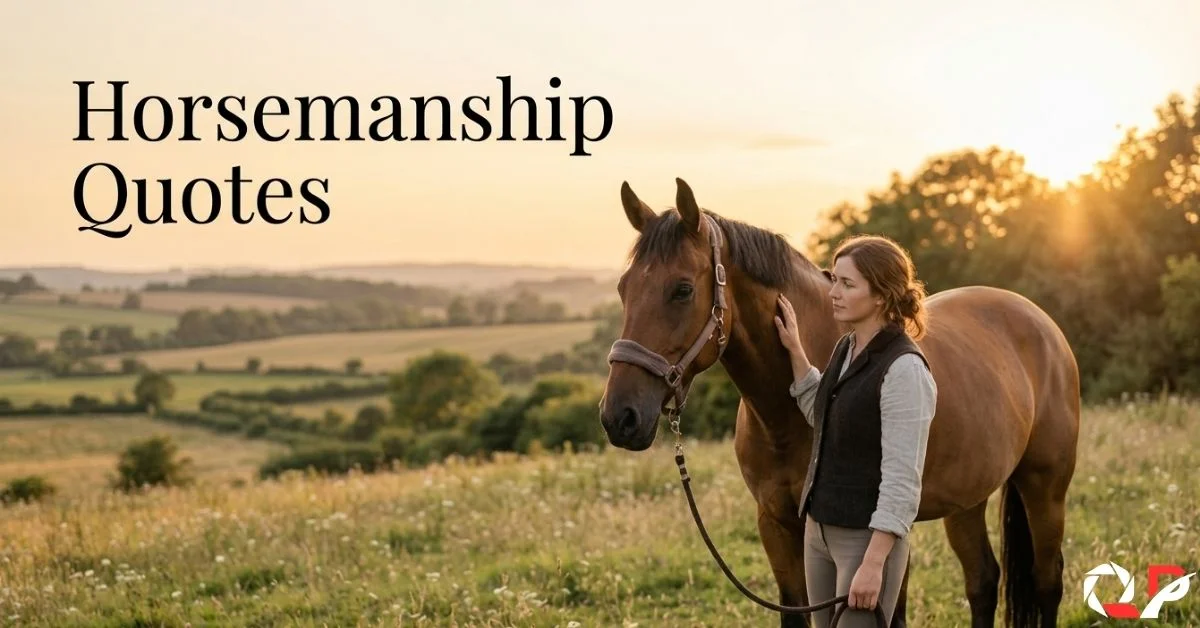
Few things capture the spirit of riding quite like horsemanship quotes. They put big emotions into simple words and help riders express what trust, patience, courage, and partnership really feel like in the saddle. Whether you are looking for motivation before a ride, meaningful words to share, or quiet wisdom from experienced horsemen and horsewomen, these quotes offer insight that stays with you long after the ride is over.
The bond between a horse and rider is one of the oldest partnerships in human history. It is built on trust, patience, and quiet communication. Because of this deep connection, horsemanship quotes often carry powerful lessons not only about riding but also about life.
From famous trainers and riders to cowboys and poets, many people have tried to describe what it feels like to ride, train, and understand horses. Their words capture courage, patience, respect, and the deep horse-rider bond that makes equestrian life so meaningful.
In this guide, you will find inspirational horsemanship quotes organized into clear themes. Each section reflects an important part of riding, including trust with horses, rider confidence, patience in riding, communication, and the emotional strength behind true equine partnership.
Famous Horsemanship Quotes
These classic quotes are widely shared in the equestrian world. They express the spirit of horsemanship in a few simple words.
- “There is something about the outside of a horse that is good for the inside of a man.” Winston Churchill
- “A horse gallops with his lungs, perseveres with his heart, and wins with his character.” Federico Tesio
- “The horse is a mirror to your soul… sometimes you might not like what you see.” Buck Brannaman
- “No hour of life is wasted that is spent in the saddle.” Winston Churchill
- “A good rider can hear his horse speak to him. A great rider can hear his horse whisper.” Anonymous
Meaning:
These quotes highlight the emotional and mental connection between horse and rider. Horses often reflect the rider’s feelings, patience, leadership, and rider heart.
Horsemanship Quotes about the Horse-Rider Bond
The heart of horsemanship lies in partnership. Riders do not simply control horses. They communicate and cooperate with them.
- “The horse is a partner, not a machine.”
- “When you listen to your horse, your horse will listen to you.”
- “A horse trusts you with his life. That trust must be earned every day.”
- “Riding is not about dominance. It is about harmony.”
- “Your horse does not care how much you know until he knows how much you care.”
What these quotes teach:
True horsemanship is not about force. It is about creating a respectful relationship where both horse and rider feel safe. This is the foundation of equestrian wisdom and equine partnership.
Natural Horsemanship Quotes
Natural horsemanship focuses on understanding horse instincts, behavior, and equine psychology. Many respected trainers emphasize calm communication, timing, and empathy riding.
- “Take the time it takes so it takes less time.” Pat Parelli
- “Horses don’t learn from pressure. They learn from the release.”
- “You cannot teach a horse by shouting at it.”
- “A horse never lies. If something is wrong, listen.”
- “Horsemanship is the art of speaking the horse’s language.”
Why these ideas matter:
Modern horse training tips often focus on reading horse instincts and building trust through calm, clear signals. That is why natural horsemanship remains such an important part of performance horsemanship.
Quotes about Trust With Horses
Trust is the foundation of safe and successful riding. Without trust, even skilled riders can struggle to build a true connection.

- “Trust between horse and rider is built one ride at a time.”
- “A horse gives you his heart if you earn it.”
- “The strongest reins are not leather they are trust.”
- “Your horse feels your confidence before he hears your command.”
- “When trust grows, fear disappears.”
Lesson:
Trust makes riding smoother and safer. Horses are sensitive animals that quickly respond to a rider’s emotions, body language, and mental toughness.
Horsemanship Quotes about Patience
Working with horses teaches patience like few other activities. Progress in riding and training rarely happens in a rush.
- “Patience is the first lesson every horse teaches.”
- “Slow training creates strong horses.”
- “Rushing a horse only slows your progress.”
- “The horse teaches the rider more than the rider teaches the horse.”
- “A calm rider creates a calm horse.”
Patience in riding helps riders build better communication, reduce frustration, and create lasting results.
Quotes about Rider Confidence and Courage
Confidence is essential for both the rider and the horse. A nervous rider can create tension, while a calm rider can inspire trust.
- “Ride the horse you have, not the one you fear.”
- “Confidence travels down the reins.”
- “Your horse believes in you ride like it.”
- “A confident rider gives horse courage.”
- “Courage in the saddle begins in the mind.”
Rider confidence supports better performance horsemanship and helps horses feel secure in uncertain moments.
Cowboy Horse Wisdom and Saddle Sayings
Cowboys spent countless hours riding and working with horses. Their sayings often contain simple but powerful lessons about respect, consistency, and saddle wisdom.
- “A cowboy is only as good as his horse.”
- “Talk to your horse like you would a good friend.”
- “The best horses are made with patience, not spurs.”
- “A horse will work for a rider who respects him.”
- “Good horses make good cowboys.”
These sayings remind riders that respect and care create strong partnerships built on trust and perseverance riding.
Inspirational Quotes for Horse Trainers
Horse trainers often face challenges that require skill, patience, and careful observation. These horsemanship quotes reflect the quiet discipline of good training.
- “Training a horse is a conversation, not a command.”
- “Small progress with horses is still progress.”
- “Every great horse was once a beginner.”
- “The best trainers never stop learning.”
- “Teach the horse, not the trick.”
Good training requires consistency, empathy, and a willingness to keep learning from the horse.
Life Lessons Horses Teach Us
Horses do more than carry riders. They teach powerful lessons that go beyond the arena or trail.
- “Horses teach us patience.”
- “They teach us humility.”
- “They remind us to stay calm in chaos.”
- “They show us how trust must be earned.”
- “They prove that true strength is gentle.”
Because of these lessons, many people say horses are not just animals. They are teachers of character, balance, and equine spirit.
Modern Equestrian Inspiration
Today’s riders continue to share new insights about horsemanship. Competitive disciplines such as dressage, show jumping, and eventing all emphasize rider-horse synergy, respect, and communication.
Modern riders often focus on:
- Horse welfare and health
- Positive training methods
- Understanding equine behavior
- Building mental strength in the saddle
The philosophy of horsemanship continues to evolve while keeping the same core values: trust, patience, partnership, and empathy riding.
Short Horsemanship Quotes for Sharing
These short horsemanship quotes are perfect for captions, journals, tack rooms, and daily motivation.
- “Ride with heart.”
- “Trust the horse.”
- “Feel the rhythm of the hoof beats.”
- “Horse first, rider second.”
- “Let the horse teach you.”
- “Partnership over power.”
- “Soft hands, strong mind.”
- “Ride with courage.”
Why Horsemanship Quotes Inspire Riders
Horsemanship quotes resonate deeply with riders because they describe real experiences in the saddle. They turn complex riding lessons into simple words that stay with you.
They remind riders that:
- Progress takes patience
- Horses respond to emotions
- Trust builds over time
- True riding skill includes kindness and empathy
Many riders keep their favorite quotes in barns, journals, or training spaces as a source of equestrian motivation and daily encouragement.
Conclusion
The best horsemanship quotes do more than sound beautiful. They remind riders that horsemanship is built on trust, patience, empathy, courage, and steady communication. Each quote carries a lesson that applies both in the saddle and in everyday life. Some inspire confidence before a ride, while others encourage calm, respect, and better understanding of the horse. Together, they show that true horsemanship is not about control alone, but about partnership. Whether you ride for sport, pleasure, or personal growth, these words can guide, comfort, and motivate you. In the end, great horsemanship begins with listening, learning, and honoring the bond between horse and rider.
FAQs
What are horsemanship quotes?
Horsemanship quotes are sayings or reflections about riding, horse training, trust, patience, and the bond between horse and rider.
What is a famous horse riding quote?
One famous quote is, “No hour of life is wasted that is spent in the saddle.” Winston Churchill
Who said, “A horse gallops with his lungs”?
That quote is attributed to Federico Tesio.
What is Pat Parelli horsemanship quotes known for?
Pat Parelli quotes are known for emphasizing patience, timing, and understanding the horse’s natural behavior.
Why do riders enjoy horsemanship quotes?
Riders enjoy them because they offer inspiration, emotional connection, and simple lessons about trust, courage, and partnership.
What are the best equestrian motivational quotes?
The best equestrian motivational quotes are the ones that encourage courage, patience, resilience, and trust. Quotes about rider confidence and the horse-rider bond are especially popular.
-

 Quotes3 weeks ago
Horsemanship Quotes for Riders and Horse Lovers
-
 Quotes3 weeks ago
Jim Elliot He Is No Fool Quote Meaning & Story
-

 Tech7 days ago
Xaicotum Explained: Scam, Concept, or Something Else?
-

 Tech7 days ago
Scamiikely Explained: Is It a Scam or Legit?
-

 Tech7 days ago
Mywaperu: A Complete Guide for New Users
-

 Tech7 days ago
Fkstrcghtc: A Complete Guide
-

 Tech7 days ago
MyReadingManga Explained: What You Need to Know