
Travel
Anywherestory net: What It Is and Is It Actually Worth Using?

So you’ve stumbled across Anywherestory net and have no idea what to make of it welcome to the club. A lot of people land on it through a random search and walk away more confused than when they started. Here’s what it actually is: a travel content website built around adventures, backpacking, and cruises. I dug into it so you don’t have to guess. This article breaks down what you’ll find there, whether the content holds up, who it’s really for, and what to use instead if it’s not your thing.
What is Anywherestory net?
Anywherestory.net is a travel blog and storytelling website. It publishes guides, personal travel stories, and practical tips across three main areas: adventures, cruises, and backpacking. Think of it less like a rigid itinerary site and more like a space where someone actually tells you what a place felt like.
Basic Overview of the Website
The site was built around a love for exploration and sharing real travel experiences. Its goal is to inspire fellow adventurers with stories from the open road, the high seas, and the less-traveled paths. It runs on WordPress, with a clean menu covering Adventures, Backpacking, Cruises, Shop, and Latest posts. Nothing flashy. But easy to browse and get around.
What Type of Content It Claims to Offer
The site covers a wide range mountain trekking, skydiving, and desert safaris on the adventure side, ocean and river cruise content for sea lovers, and budget-friendly backpacking guides with real trail experiences. In theory, it wants to serve three very different types of travelers. Whether it actually pulls that off? That’s what we’re here to figure out.
Read also: Mebalovo: A Complete Travel Guide to This Hidden Russian Village
What You Will Actually Find on Anywherestory.net
Travel Topics Covered
The three pillars adventures, backpacking, cruises are the whole show here. Adventure posts tend to be destination-based or activity-focused. Backpacking content covers budget travel, packing lists, and regional guides for places like Southeast Asia and South America. The cruise section goes broader than you’d expect, from Caribbean and Mediterranean routes all the way to Antarctica and the Galapagos, including advice on polar packing and wildlife protocols.
Content Style and Depth
Here’s the thing: the articles are written in a story-forward style. Instead of just saying “go to Lisbon,” the content tries to frame the experience as a narrative. That works great when you want inspiration. It falls short when you need hard facts current visa rules, real-time prices, that kind of thing.
Most articles run from a few hundred to a couple thousand words. Readable, solid on the basics. Not as deep as Lonely Planet or Nomadic Matt, but not shallow either.
Example of a Typical Article Breakdown
Take a typical backpacking guide on the site. It usually opens with a scene-setter, moves into practical tips like where to stay and what to budget, throws in a packing list, and closes with safety advice. The structure works. The issue is that some posts feel like the writer researched the place rather than lived it. I’ve noticed that inconsistency shows up more in the backpacking section than anywhere else — some posts are clearly from someone who was there, while others feel stitched together from other sources. Worth keeping in mind.
Key Features of Anywherestory.net
Navigation and Categories
Easy to move around. The top menu gets you straight to Adventures, Backpacking, Cruises, and the Latest section. There’s also a Shop page, though it doesn’t appear to have a real product catalog yet.
Content Frequency and Updates
Posting is irregular. There’s no consistent schedule you can count on, which is pretty common for smaller travel blogs that depend on contributor content rather than a full editorial team.
User Interaction and Contribution Options
Writers who want to contribute can reach out through the contact form. The site does accept guest submissions, though the terms around payment or editorial review aren’t clearly spelled out anywhere on the page.
Is Anywherestory net Legit or Safe to Use?
Let’s be honest this is the real question. So let’s answer it directly.
Trust Signals and Transparency
One concern is transparency. The site doesn’t clearly list the full team behind it or provide author credentials, which raises fair questions about accountability. The contact address is also hard to verify independently.
That doesn’t make it a scam. It makes it an anonymous or semi-anonymous publication, which is extremely common in travel blogging. It does have an about page, a Privacy Policy, and Terms and Conditions, so the basic structural elements of a real website are there.
Content Originality and Credibility
Some content clearly comes from people who’ve actually traveled. Other posts feel more formulaic. Personal stories are great, but they’re not always fact-checked against official sources so cross-check anything critical like visa rules, safety conditions, or transport costs before you rely on it.
Red Flags to Watch For
A few things worth knowing going in: most posts have no named authors or just a first name with no verifiable background. The Shop section exists but is largely empty. And affiliate links likely appear throughout, which is totally normal for travel blogs just be aware of it when reading recommendations.
None of these are deal breakers. Just things a smart reader should know.
Pros and Cons of Using Anywherestory.net
What It Does Well
The storytelling approach makes it genuinely enjoyable to read. If you’re in early-stage trip planning and just want to get inspired, this kind of content does the job. The three-category structure keeps things focused rather than sprawling everywhere. The site also touches on responsible travel and sustainability a thoughtful addition that plenty of bigger, more generic travel blogs skip entirely.
Where It Falls Short
Inconsistent content quality is the main weakness. Some articles are detailed and clearly written from real experience. Others feel thin. There’s no visible editorial standard, so you can’t easily judge how much to trust any specific post. For time-sensitive info entry requirements, accommodation prices, transport routes this isn’t a reliable primary source.
Who Should Use Anywherestory net (and Who Should Not)
Best for Casual Readers and Curious Travelers
You might be wondering if this site is worth your time at all. Honestly, it depends on what you’re after. If you like reading about travel for inspiration, or you’re in early planning mode and want a feel for an adventure trip, a backpacking route, or a cruise itinerary this site works well. It also makes sense for aspiring travel writers who want to see how narrative-driven content works, and for anyone who wants a launchpad before diving into deeper research.
Situations Where It May Not Be Helpful
If you’re a serious traveler making time-sensitive calls, don’t use this as your primary source. Don’t rely on it for visa rules, current safety conditions, or live transport options. For those, go straight to government travel advisories, official tourism boards, or established platforms with a track record for accuracy.
Anywherestory net vs Other Travel Websites
Comparison with Established Travel Blogs
Compared to Nomadic Matt, The Blonde Abroad, or Lonely Planet’s digital content, Anywherestory.net is a much smaller operation. The bigger sites have named authors, editorial processes, and years of archived content tested by millions of readers. They also keep time-sensitive info more current.
Where Anywherestory.net holds its own is in storytelling. Bigger blogs often go for volume and lose that personal, narrative feel. Some posts here are genuinely engaging in a way that high-traffic sites rarely are anymore.
Differences in Reliability and Depth
Major travel platforms have the infrastructure to fact-check and update content. Smaller blogs like this one depend entirely on what the writer knew and when they wrote it. That means depth swings wildly from post to post.
Better Alternatives to Anywherestory.net
Trusted Travel Blogs
Nomadic Matt is one of the most thoroughly researched budget travel resources out there. The Broke Backpacker is excellent specifically for backpacking. Lonely Planet and TripAdvisor both offer reviewed content with a level of accountability that anonymous blogs simply can’t match.
Platforms with Verified User Experiences
TripAdvisor and Google Travel aggregate real user reviews patterns across thousands of travelers rather than one or two anonymous posts. For cruise research specifically, CruiseCritic is far more thorough than any general travel blog. And for adventure content, YouTube has honestly become more reliable than most blogs, because you can watch someone actually do the thing.
What Most People Get Wrong About Sites Like This
Most readers either trust travel blogs completely or dismiss them entirely. Neither is right.
A smaller site like Anywherestory net is genuinely useful as a starting point for ideas. The mistake is treating it the same way you’d treat an official tourism board page or a well-funded publication with editors and fact-checkers.
Think of it like a travel tip from a friend who’s been somewhere. Useful, worth hearing but you’d still confirm the details yourself before booking anything. That’s exactly the mindset to bring here.
Conclusion
For what it is, Anywherestory net is a decent casual travel blog. It covers its three main topics reasonably well, the storytelling style beats a generic listicle, and it can genuinely spark ideas for trips you hadn’t considered.
But go in with clear expectations. Limited transparency about who runs it, inconsistent content quality, and no reliable update schedule mean it works best as inspiration not as a planning authority. Use it to get excited about a destination. Then do your homework elsewhere before you book anything.
That’s really the bottom line.
FAQs
Is Anywherestory net a real website?
Yes it’s a real travel blog covering adventures, backpacking, and cruises. It’s been online since at least 2024 and has a functioning site with multiple content categories and standard legal pages.
Is the information on Anywherestory.net reliable?
It depends on what you need. For general inspiration and travel ideas, it’s fine. For specifics like visa rules, transport costs, or safety conditions, always verify with official sources. Some content is clearly firsthand; other posts feel more research-assembled.
Can I trust travel advice from Anywherestory.net?
Use it as a starting point, not a final authority. The storytelling is engaging and useful for getting a feel for a destination. But practical advice especially anything involving current prices, safety, or entry requirements should always be cross-checked.
Does Anywherestory.net offer original content?
Some of it appears genuinely original and experience-driven. Other content reads more like compiled research. There’s no public editorial standard on the site, so quality varies post to post.
Are there better Anywherestory net?
Yes. For detailed, verified travel content, Nomadic Matt, Lonely Planet, TripAdvisor, and CruiseCritic are all more comprehensive and accountable. That said, Anywherestory.net is worth a read if you want a more personal, narrative take on travel rather than pure logistics.
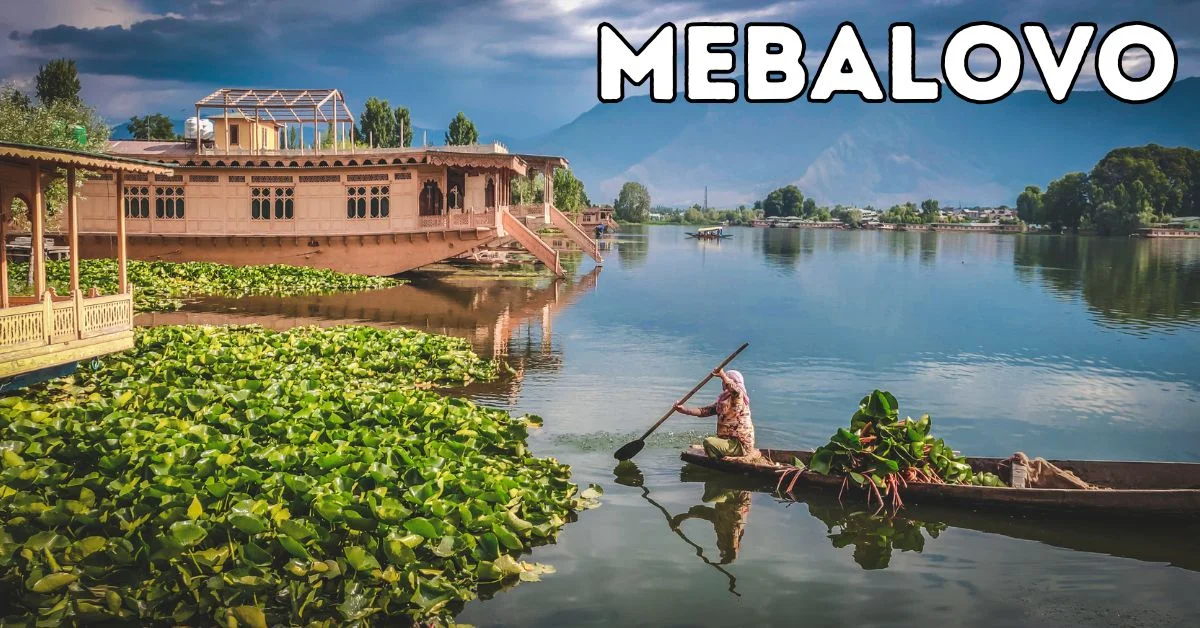
If you have come across the name Mebalovo and wondered whether it is a real place or just something you misread online, you are not alone. Mebalovo is a small, quiet village in Russia that has started drawing the curiosity of travelers looking for something off the beaten path. It is not a tourist hotspot with guided tours and souvenir shops. It is the kind of place where life moves slowly, nature feels untouched, and you get a genuine sense of rural Russia. In this guide, you will find everything you need to plan a visit, from exact location details and how to get there, to what to do, where to sleep, and what to expect as a first-time visitor.
What Is Mebalovo?
Overview of the Village
Mebalovo is a small rural settlement located in the Vologda Oblast of northwestern Russia. Like many villages in this region, it sits within a landscape of dense forests, open fields, and calm rivers that define so much of traditional Russian countryside life. The village is not large. It has a tight-knit community, modest infrastructure, and the kind of peaceful atmosphere that urban travelers rarely get to experience.
It is not a commercialized destination, which is exactly what makes it interesting. You are not visiting a place designed for tourists. You are stepping into a real, living community with its own rhythms, traditions, and character.
Why It Is Gaining Attention
Mebalovo has started appearing in conversations about slow travel and rural Russia tourism. As more travelers grow tired of overcrowded European cities and expensive package tours, small Russian villages like Mebalovo offer something different: authenticity. The growing interest in dacha culture, forest retreats, and off-grid travel has pushed places like this into the spotlight, even if that spotlight is still quite dim compared to Moscow or Saint Petersburg.
Many people who explore rural Russian destinations report that these villages leave a stronger impression than any famous landmark. The stillness, the hospitality, and the connection to an older way of life tend to stay with you.
Where Is Mebalovo Located?
Region and Nearby Cities
Mebalovo is situated in Vologda Oblast, one of Russia’s most historically rich and scenically beautiful regions in the northwestern part of the country. The Vologda Oblast is known for its old Orthodox monasteries, wooden architecture, birch forests, and waterways connected to some of Russia’s most important historical trade routes.
The nearest major city is Vologda, which is the regional capital. Vologda itself is a well-connected city with a train station, bus terminals, and a small airport. From Vologda, you can reach the surrounding villages and countryside with relative ease. Cherepovets, another significant city in the oblast, is also within a reasonable distance and serves as an alternative entry point for travelers coming from different directions.
How to Find It on a Map
When looking for Mebalovo on a map, search within Vologda Oblast using Russian-language map tools like Yandex Maps, which tend to have far more detailed coverage of rural Russian settlements than Google Maps. Type the name in Cyrillic if possible: Мебалово. This will give you a more accurate result. The village sits within the broader network of rural roads and forest paths that connect smaller settlements across the oblast.
It is worth downloading an offline map before you travel, as mobile coverage in remote parts of Vologda Oblast can be unreliable.
History and Culture of Mebalovo
Origins of the Village
Villages like Mebalovo have roots that go back several centuries in Russian history. Rural settlements across Vologda Oblast developed primarily around agriculture, timber, and river trade. The region was a corridor between northern Russia and the central territories, which means communities here were shaped by migration, seasonal work, and the Orthodox Christian faith that defined so much of pre-Soviet Russian culture.
The Soviet era brought changes to most villages in this region, including collectivization and, later, rural depopulation as people moved to cities. Many small Russian villages today carry this layered history quietly, visible in old wooden homes, roadside chapels, and the memories of older residents.
Local Traditions and Lifestyle
Life in Mebalovo, like in most rural Russian villages, follows the land and the seasons. Residents often keep kitchen gardens, preserve food for winter, and maintain strong ties to neighbors and family. Traditional crafts, folk music, and seasonal festivals tied to the Orthodox calendar are part of the cultural fabric in this part of Russia.
If you visit during a local holiday or seasonal celebration, you may get to witness traditional food preparation, folk songs, or communal gatherings that feel completely removed from modern urban life. This is the kind of cultural experience that no tour package can replicate.
Top Things to Do in Mebalovo
Explore Nature and Landscapes
The landscape around Mebalovo is the main draw for nature-oriented travelers. Vologda Oblast is heavily forested, and the areas surrounding rural villages like this one offer excellent conditions for walking, hiking, and simply absorbing the quietness of Russian nature.
In summer, the forests are full of mushrooms and berries, which locals harvest as a matter of routine but which feel like a discovery to visitors. In winter, the snow-covered fields and frozen rivers create a completely different and equally striking visual experience.
Cultural Experiences with Locals
One of the most genuine things you can do in a village like Mebalovo is simply spend time with local residents. If you are staying with a host family or at a local guesthouse, take time to ask questions, help with small tasks, or share a meal. Russian rural hospitality tends to be warm and genuine, particularly once a basic level of trust is established.
Learning a few phrases in Russian before you go makes a significant difference. Locals appreciate the effort, and it opens doors that would otherwise stay closed to foreign visitors.
Hidden Spots Tourists Miss
Because Mebalovo is not on any mainstream tourist circuit, the entire experience is essentially what other destinations would call a hidden gem. Look for old wooden churches or chapels in and around the village. These structures, often centuries old and sometimes partially restored by community volunteers, are among the most visually striking elements of rural Russian culture.
Also worth exploring: the edge of the village where farmland meets forest. At dawn or dusk, these transitional zones offer extraordinary light and a sense of the vast Russian landscape that photographs rarely capture properly.
What Most People Get Wrong About Visiting Rural Russia
Most travelers who research rural Russian villages assume they need to organize a complex, guided expedition to visit safely and meaningfully. That assumption tends to prevent people from going at all.
The reality is that visiting a village like Mebalovo is straightforward if you prepare sensibly. You do not need a guide for every moment. You do need basic Russian, a flexible mindset, and realistic expectations. The village is not going to entertain you in the way a city would. The value is in the simplicity, not the activity. Travelers who go expecting Instagram content often miss the point. Those who go expecting to slow down almost always leave with something meaningful.
Food and Local Cuisine
Traditional Dishes to Try
Rural Russian cuisine in Vologda Oblast centers on hearty, warming food built around what the land and season provide. Expect dishes like shchi (cabbage soup), pelmeni (dumplings), blini (thin pancakes), and various preparations of potato, pickled vegetables, and cured fish. Dairy products, particularly butter and soured cream, are central to the local diet and noticeably rich compared to what you find in cities.
Mushroom-based dishes are particularly common in forested regions. Foragers collect wild mushrooms through late summer and autumn, and they appear in soups, pies, and side dishes throughout the year in preserved form.
Where to Eat
There are no restaurants in the conventional sense in a village this small. If you are staying with a host family, meals will almost certainly be included or offered as part of your stay. This is, honestly, the best option. Home-cooked rural Russian food at a wooden kitchen table is an experience in itself.
For any additional supplies, the nearest town or small market would be your resource. Stock up before arriving if you have specific dietary needs, as options in remote villages are limited.
Where to Stay in Mebalovo
Budget Options
Budget travel in a village like Mebalovo typically means staying with a local host family. These arrangements are informal and usually organized through personal contact or regional tourism networks focused on rural and agritourism in Vologda Oblast. Costs are very low by any standard, often a few hundred rubles per night, sometimes including meals.
Guesthouses and Local Stays
Some villages in Vologda Oblast have developed simple guesthouse facilities as part of rural tourism initiatives. It is worth contacting regional tourism offices in Vologda city before your trip to ask about available accommodation near Mebalovo. They can often connect you with hosts who speak at least some English or are accustomed to receiving visitors.
Camping near the village may also be possible in warmer months, particularly if you are an experienced outdoors traveler comfortable with remote conditions.
How to Get to Mebalovo (Step-by-Step)
By Air, Train, and Road
The most practical route for international travelers is to fly into Moscow (Sheremetyevo or Domodedovo) and then take a train to Vologda. The train journey from Moscow to Vologda takes roughly eight to nine hours on an overnight service, which is comfortable and reasonably priced. From Vologda, you can arrange onward transport toward the surrounding villages.
Alternatively, there are direct train connections between Saint Petersburg and Vologda, making that a viable entry route as well.
Local Transportation Tips
From Vologda, reaching a smaller village like Mebalovo typically involves a combination of local bus services and, where public transport does not reach, taxi or private car. Yandex Taxi operates in Vologda city. For the final stretch into rural areas, arranging a local driver or coordinating with your host in advance is the most reliable approach.
Having a Russian SIM card helps enormously with navigation and communication once you leave the city.
Best Time to Visit Mebalovo
Weather by Season
Vologda Oblast has a continental climate with cold winters and warm summers. Winter temperatures regularly drop well below freezing, often reaching minus 15 to minus 25 degrees Celsius between December and February. Spring and autumn are transitional and can be muddy, particularly in rural areas where roads are unpaved. Summer, from June through August, brings warm days, long daylight hours, and the most accessible travel conditions.
Ideal Months for Travel
Late June through August is the best window for first-time visitors. The weather is mild, nature is fully green, and outdoor exploration is comfortable. September is also worth considering if you do not mind cooler temperatures, as the autumn foliage in this part of Russia is genuinely beautiful and the forest activities like mushroom picking are at their peak.
Winter visits are possible and offer a striking visual experience, but require proper preparation for extreme cold and limited daylight.
Sample 2 to 3 Day Itinerary
Day 1 Plan
Arrive in Vologda, check into accommodation there for one night, and spend the evening exploring the city center, including the Vologda Kremlin and the embankment along the river. This gives you a useful cultural baseline before heading into the village. Organize your onward transport to the Mebalovo area for the following morning.
Day 2 Plan
Travel to Mebalovo in the morning. Settle into your accommodation, take a slow walk through the village, and spend time getting a feel for the surroundings. In the afternoon, explore the forest edges, look for any local chapels or historical structures, and in the evening share a meal with your host if possible. Evenings in rural villages are quiet but genuinely restful.
Optional Day 3
Use the third day for deeper exploration of the surrounding countryside. Walk longer forest trails, visit any nearby villages on foot or by local transport, and spend time simply sitting with the landscape. Depart back to Vologda in the late afternoon in time to connect with your onward journey.
Travel Tips and Budget Guide
Estimated Costs
A rough daily budget for traveling in rural Vologda Oblast is very manageable. Accommodation with a host family might cost 500 to 1500 rubles per night. Local food costs are minimal if meals are included with your stay, or very low if you are buying from local markets. Transport from Moscow to Vologda by train ranges from around 1500 to 3000 rubles depending on class. Overall, a two to three day trip beyond the train cost can be done for well under 5000 rubles if you travel simply.
Safety and Local Etiquette
Mebalovo and the Vologda region are not areas with any specific safety concerns for travelers. Standard travel awareness applies. Respect local customs, dress modestly especially near any religious sites, and ask before photographing residents or their homes. Rural communities value privacy and quiet respect more than urban areas typically do.
Language and Communication Tips
English is not widely spoken in rural Russia. Learning basic Russian phrases before you go is not optional, it is genuinely necessary. Greetings, asking for directions, ordering food, and expressing thanks go a long way. A translation app with offline capability is also essential. Yandex Translate handles Russian particularly well.
My Experience with Mebalovo
When I first looked into Mebalovo, I was struck by how little reliable information existed. Most search results were vague or confused the place with other locations. What became clear as I researched deeper was that this is exactly the kind of destination that rewards patient travelers. The kind of place where the journey is part of the point, where you arrive without a tight schedule and leave with memories that are harder to explain than photographs. Rural Russian villages like this one carry a quietness that is becoming rare in travel.
Why Mebalovo Is Worth Visiting
Unique Selling Points
Mebalovo offers something that almost no popular destination can: genuine undiscovered calm. There is no tourist infrastructure to mediate your experience. You see the place as it actually is. The natural landscape of Vologda Oblast is also genuinely stunning in a way that does not depend on good weather or the right light. It simply exists, vast and unhurried.
Who Should Visit
This destination suits independent travelers who are comfortable with uncertainty and genuinely interested in place over performance. If you want organized activities, restaurant menus, and reliable Wi-Fi, this is not the right trip. If you want to understand a side of Russia that rarely appears in travel media, and to experience a pace of life that feels completely different from your own, Mebalovo is worth the effort.
Conclusion
Mebalovo is not the kind of place you visit for a highlight reel. It is the kind of place you visit when you want something real. A quiet village in Vologda Oblast, it offers natural beauty, genuine rural culture, and a complete break from the noise of modern travel. Getting there takes some planning, and the experience asks you to be flexible and patient. But for travelers who are ready for that, it delivers something most destinations simply cannot: an honest encounter with a part of Russia that has not been shaped for outside eyes. If that sounds like the kind of trip you want, Mebalovo is worth putting on your list.
FAQs
Is Mebalovo a real place?
Yes, Mebalovo is a real village located in Vologda Oblast, Russia. It is a small rural settlement, not a tourist destination, which is why information about it is limited online. Use Yandex Maps and search in Cyrillic (Мебалово) for the most accurate location results.
Do I need a visa to visit?
Most foreign nationals require a visa to enter Russia. The process and availability of Russian visas varies significantly depending on your nationality and current diplomatic conditions. Check with the Russian embassy or consulate in your country well in advance of planning travel, as requirements and processing times change.
Is it safe for tourists?
The Vologda Oblast region does not have specific safety issues for travelers. General common sense applies. The main challenges are practical rather than safety-related: language barrier, limited transport, and minimal infrastructure for visitors.
What language is spoken?
Russian is the only language you will encounter in Mebalovo and the surrounding rural areas. Virtually no English is spoken. Basic Russian phrases and an offline translation app are essential tools for any visitor.
How expensive is it?
Rural Russia is extremely affordable compared to Western Europe or major Russian cities. Daily costs for food and accommodation in a village setting can be very low. The main expense is typically the travel cost of getting to the region from your home country.
-

 Quotes1 week ago
Jim Elliot He Is No Fool Quote Meaning & Story
-

 Quotes1 month ago
Commitment to Excellence: Meaning and Examples
-

 Quotes1 month ago
Horsemanship Quotes for Riders and Horse Lovers
-

 Tech3 weeks ago
Mywaperu: A Complete Guide for New Users
-

 Tech1 week ago
Fkstrcghtc: A Complete Guide
-

 Tech1 week ago
MyReadingManga Explained: What You Need to Know
-

 Tech4 days ago
Miflow Explained: Software, Studio, and More
-

 Tech5 days ago
Newscod Explained: Features, Benefits, and Worth